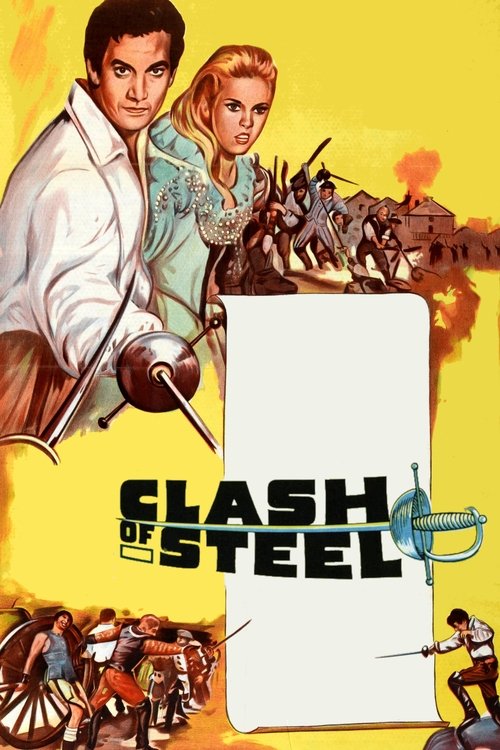
Clash of Steel
1962
No user ratings available yet
Representation score: 2.5 out of 10
Representation Score
Minimal
1963
Director
Umberto Lenzi
Runtime
86 minutes
Average Rating
No ratings yetNew Showbiz Analysis
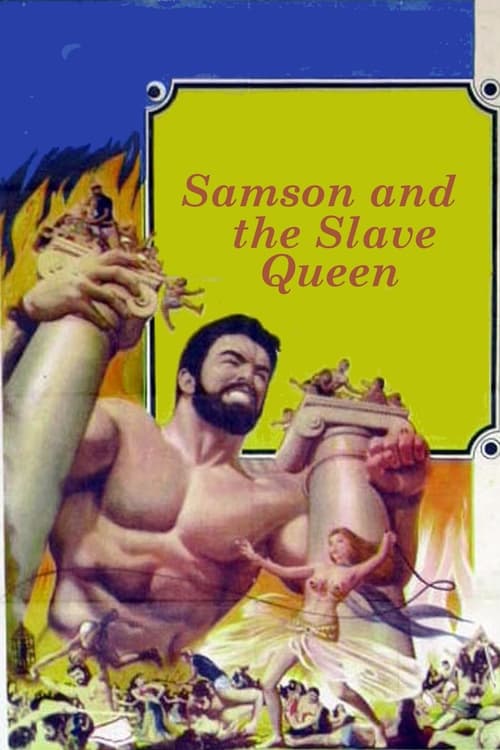
Samson and the Slave Queen is a conventional 1960s adventure film that prioritizes genre clichés over social nuance. It relies heavily on established archetypes of heroism and villainy to drive its plot. The film reinforces traditional hierarchies, particularly regarding gender and morality. While women hold central positions in the succession conflict, their roles are defined by their relationships with men and their adherence to moral binaries. Ultimately, the work functions as a standard period piece that upholds Eurocentric norms and heterosexual romantic structures without attempting to challenge them.
Category Breakdown
The film follows a strictly heterosexual structure. Romantic conflicts are limited to traditional pairings between the female leads and male protagonists.
Female characters drive the plot through succession claims, yet their roles are often defined by their relationships with men and adherence to moral binaries. The narrative relies on a binary of virtue versus evil.
The production utilizes a Eurocentric casting model typical of 1960s Italian adventure cinema. Characters are defined by hair color and moral archetypes rather than ethnic diversity.
The story is built on Western concepts of monarchy and moral absolutism. It reinforces traditional power structures rather than exploring systemic critique.
The narrative focuses entirely on physical strength and heroic archetypes. There is no evidence of characters with visible or invisible disabilities.
Present on Screen
Limited or Absent
Official Synopsis
The king of Nogara dies, leaving behind a will naming one of his nieces as his successor. Will it be blonde and virtuous Isabella or evil, dark-haired Malva? Each woman relies on a hero to locate the will. Malva hires the bare-chested strongman Samson while Isabella relies on the masked El Toro (a.k.a. Zorro) even though her heart belongs to the mild-mannered poet, Ramon. Malva's ruthless desire for the throne soon alienates Samson and he and El Toro then team up to bring about a proper resolution to the Nogara succession. Meanwhile, Isabella learns El Toto's true identity, an identity which both surprises and pleases her.
1962
1975
1934
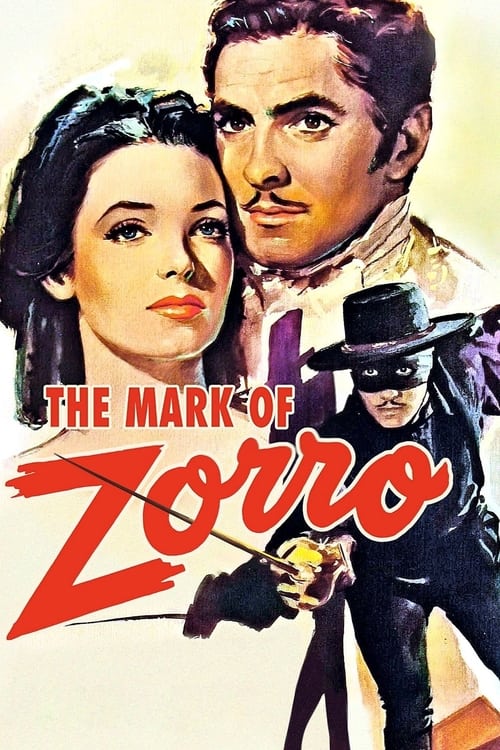
1940
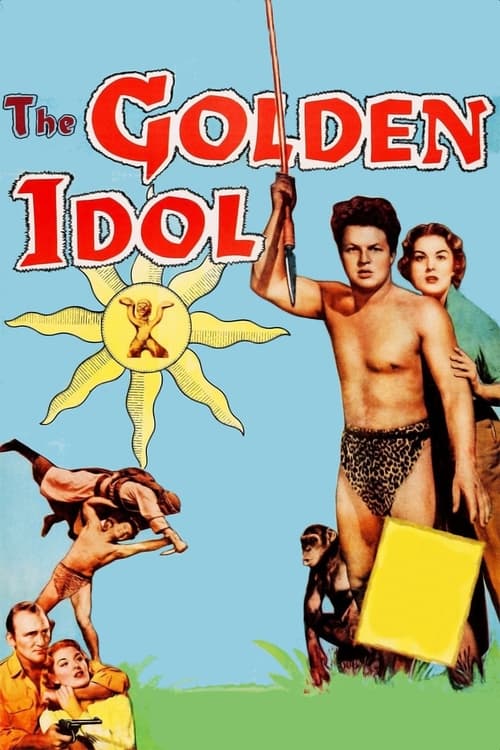
1954
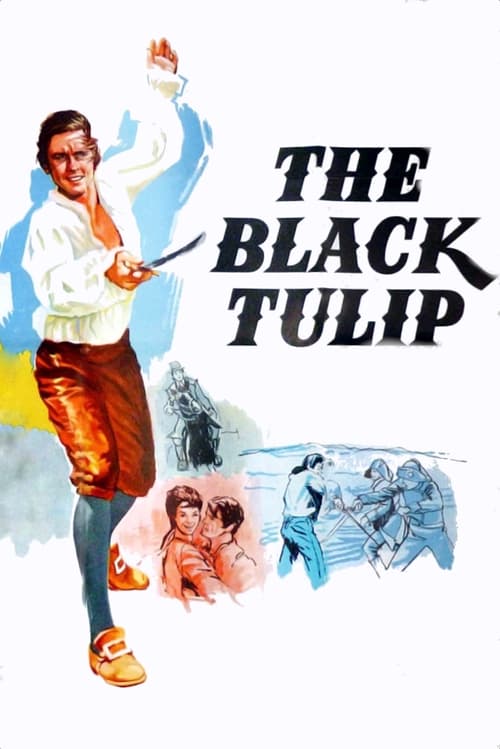
1964
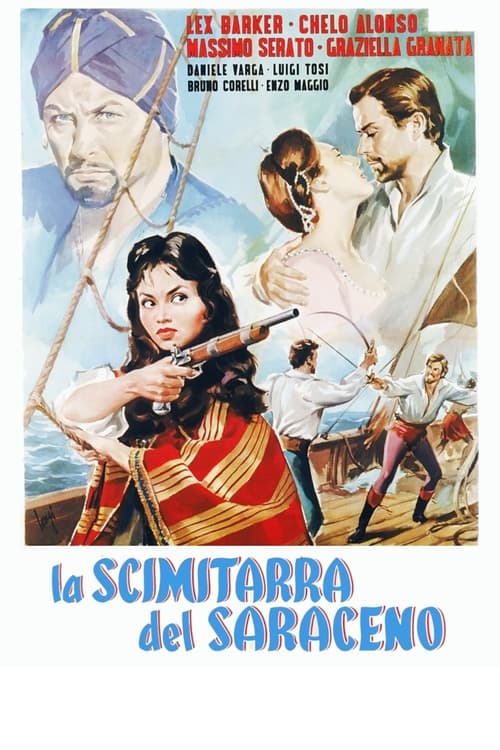
1959
1966
No reviews yet. Be the first to share your thoughts on this movie!
Use the rating form above to leave a star rating and optional review.