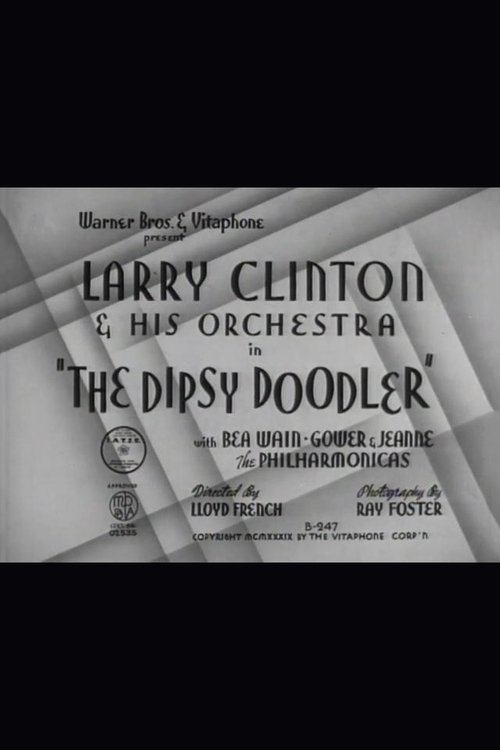
The Dipsy Doodler
1940
No user ratings available yet
Representation score: 0.0 out of 10
No Poster Available
Representation Score
Minimal
1939
ApprovedDirector
Larry Ceballos
Runtime
19 minutes
Average Rating
No ratings yetNew Showbiz Analysis
Rhumba Land is a product of the 1939 studio system, prioritizing rhythmic spectacle over social critique. The film operates within the rigid social hierarchies and censorship constraints of its era, offering escapist musical entertainment rather than identity-based disruption. While the musical themes suggest a focus on Latin American influences, the production likely utilizes exoticism as a stylistic cliché. This approach often prioritizes aesthetic variety over the authentic representation of diverse cultures or character's ability to drive the story. Ultimately, the film adheres to the traditionalist cinematic standards of the late 1930s. It maintains conventional gender roles and lacks any documented inclusion of LGBTQ+ identities or characters with disabilities.
Category Breakdown
The film reflects the strict censorship standards of 1939. Non-straight relationships are virtually non-existent in this era's mainstream musical productions.
Female leads likely occupy decorative or romantic archetypes. The film relies on traditional gender roles and performative femininity common to late 1930s musicals.
The title suggests Afro-Cuban or Latin American musical influences. However, these themes often rely on exoticism clichés rather than meaningful character's ability to drive the story.
The narrative reinforces Western social norms and traditional family structures. It lacks the moral relativism found in more progressive, contemporary media.
There is no evidence of characters with disabilities being portrayed with real power. Such depictions were rarely addressed outside of stigmatized clichés during this period.
Present on Screen
Limited or Absent
1940
1929
1935

1933
1942
1937
1936
1955
No reviews yet. Be the first to share your thoughts on this movie!
Use the rating form above to leave a star rating and optional review.