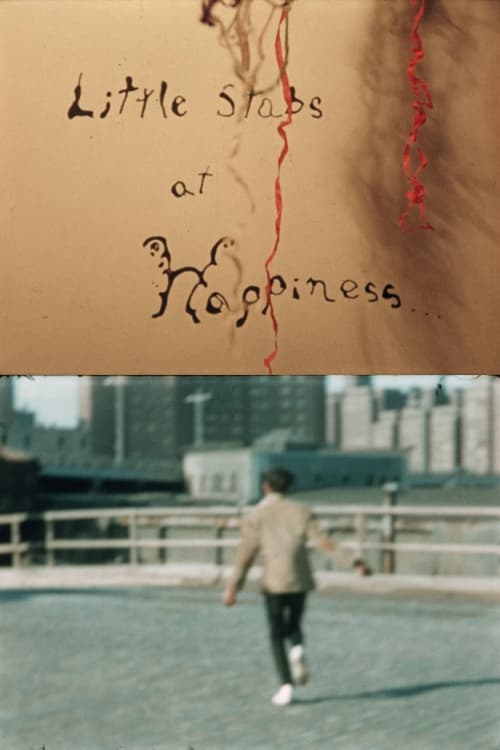
Little Stabs at Happiness
1963
No user ratings available yet
Representation score: 4.5 out of 10
Representation Score
Limited
1963
Director
Marie Menken
Runtime
11 minutes
Average Rating
No ratings yetNew Showbiz Analysis
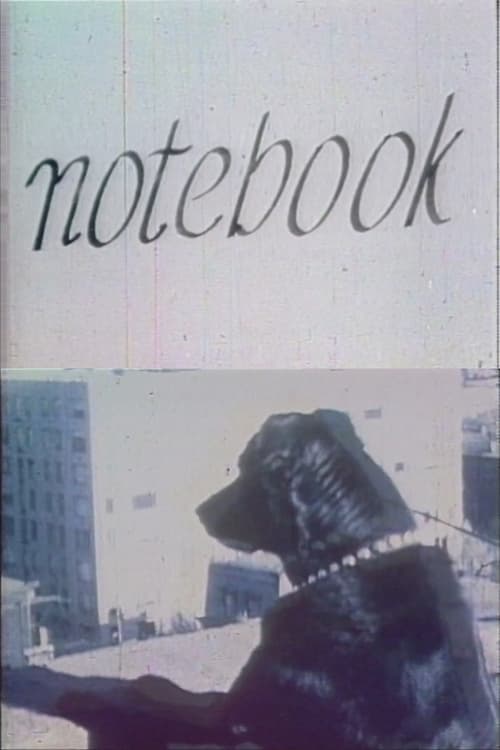
Marie Menken’s *Notebook* is a pioneering work of personal cinema that prioritizes formal experimentation over demographic storytelling. Its impact is felt through its innovative structure rather than explicit character representation. By breaking down the traditional requirement for a centralized, objective protagonist, Menken challenges the established filmmaking norms of the 1960s. The film’s strength lies in its emphasis on personal subjectivity. While it does not explicitly represent diverse demographics, it serves as a foundational challenge to the male-dominated cinematic gaze of the time.
Category Breakdown
The film does not explicitly depict LGBTQ+ identities or romantic relationships. It does not explore these themes through traditional character arcs.
The film challenges traditional gender roles by focusing on a female perspective. It emphasizes personal subjectivity, moving away from the passive portrayal of women typical of the era.
There is no specific racial or ethnic casting evident. The film focuses on abstract visuals rather than demographic details.
The work critiques traditional storytelling by embracing a fragmented, diaristic style. This approach rejects the structured narratives of mid-century institutional norms.
There is no indication of characters with disabilities. The experimental nature of the film does not use disability as a narrative tool.
Present on Screen
Limited or Absent
Official Synopsis
A short, diaristic film; A series of impressions, animations and playful vignettes in color and B&W. Early/ Outtake footage of Menken's Lights can be seen here, as well as camera techniques she'd expand upon in later films.
1963

1964

1952

2000
1963

2006
1968
1961
No reviews yet. Be the first to share your thoughts on this movie!
Use the rating form above to leave a star rating and optional review.