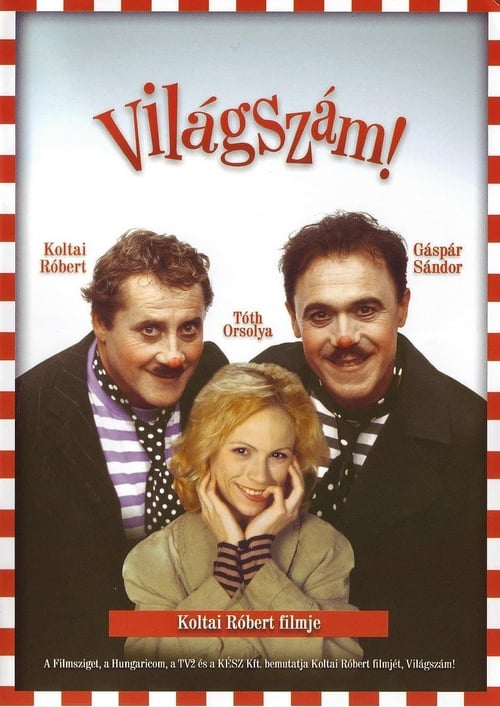
Világszám!
2004
No user ratings available yet
Representation score: 3.4 out of 10

Representation Score
Fair
1999
Director
Péter Tímár
Runtime
94 minutes
Average Rating
No ratings yetNew Showbiz Analysis
The film is a historical reconstruction that prioritizes the critique of systemic political oppression over demographic breadth. It captures the atmosphere of the Rákosi era through a localized, Hungarian lens. While the film lacks diversity in terms of race, gender, and LGBTQ+ representation, it excels in its cultural critique. It effectively deconstructs state authority and the suppression of individual expression. The characterization of the protagonist as an eccentric outlier provides a unique perspective on social norms, even if it does not explicitly address disability or neurodivergence.
Category Breakdown
The film focuses on the protagonist's struggle within a totalitarian system but does not explore LGBTQ+ identities or non-straight relationships.
The story centers on the male protagonist's fight against the state. Although the lead character is eccentric, the gender dynamics still revolve around the male experience.
Set in mid-century Hungary, the film reflects the ethnically homogeneous society of the time. It does not include diverse racial or ethnic representation.
The film excels in critiquing institutional authority by showing the oppressive nature of the socialist state. It offers a nuanced look at individuals' struggles against a monolithic, state-controlled culture.
There is no explicit focus on physical or neurodivergent disabilities. The protagonist is described as eccentric, but it is unclear if this represents a meaningful exploration of neurodivergence.
Present on Screen
Limited or Absent
Official Synopsis
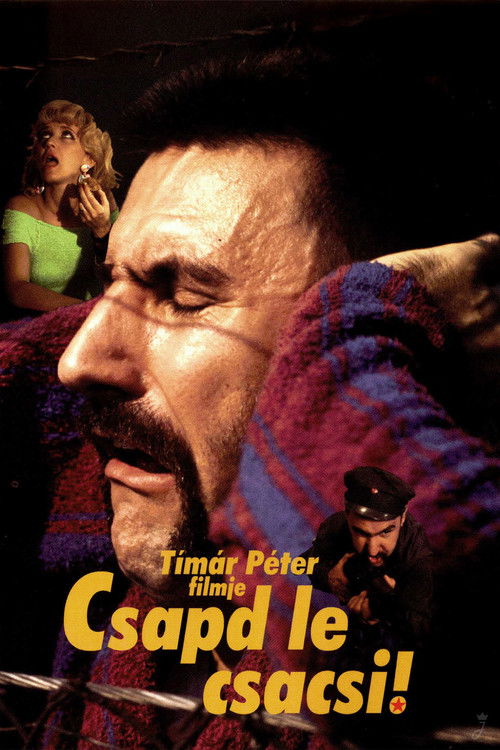
The makers, especially Péter Tímár wanted to invoke the atmosphere of the communist dictatorship of Rákosi era lasted from 1947 to 1956. I think they've managed to reconstruct it very much: if you read the history books about the era and newspapers from that times, if you listened to your parents' and grandparents' tales, you will experience the similarities are shocking. The main character (Tutti - Károly Eperjes) is excellent, Eperjes, acting an eccentric, but likable crank is in his royal spirits.
2004
2006
1992
2023
2009
1986

1979
1996
No reviews yet. Be the first to share your thoughts on this movie!
Use the rating form above to leave a star rating and optional review.