
City of Ghosts
2017
No user ratings available yet
Representation score: 8.3 out of 10
Representation Score
Fair
2013
RDirector
Dan Krauss
Runtime
79 minutes
Average Rating
No ratings yetNew Showbiz Analysis
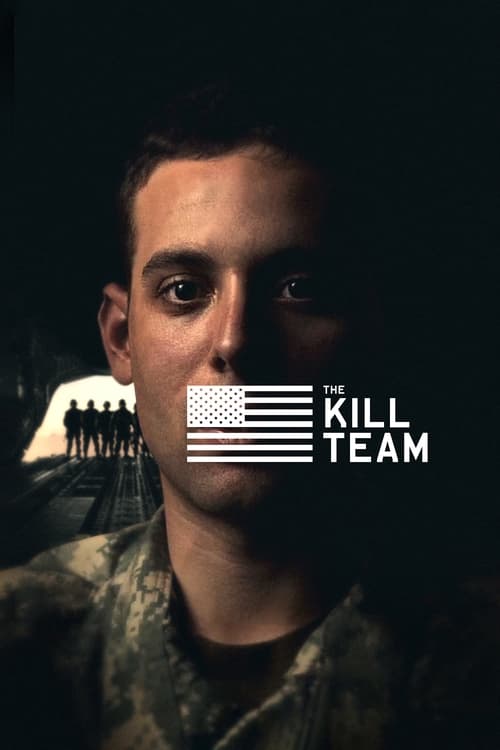
The Kill Team is a specialized investigative documentary that prioritizes systemic critique over broad demographic representation. While it lacks diverse identities, it offers a sophisticated deconstruction of Western institutional authority and traditional heroic narratives. The film's narrow focus on a specific infantry platoon results in limited gender and LGBTQ+ representation. However, it provides a nuanced look at the impact of foreign intervention by centering the Afghan civilian perspective.
Category Breakdown
The documentary focuses solely on the military unit and legal proceedings, without including LGBTQ+ identities or non-traditional gender expressions.
The film operates within a hyper-masculine framework, exploring the psychological breakdown of traditional masculine roles through criminal behavior.
The film features a diverse cast of Black and Hispanic soldiers and uses archival footage to highlight the perspective of Afghan civilians.
The narrative critically examines Western institutions and military hierarchy, highlighting the corruption of military discipline and state intervention.
The film explores invisible disabilities such as mental health and PTSD, which are central to the soldiers' struggles with identity and reintegration.
Present on Screen
Limited or Absent
Official Synopsis
In 2010, the media branded a platoon of U.S. Army infantry soldiers “The Kill Team” following reports of its killing for sport in Afghanistan. Now, one of the accused must fight the government he defended on the battlefield, while grappling with his own role in the alleged murders. Dan Krauss’s absorbing documentary examines the stories of four men implicated in heinous war crimes in a stark reminder that, in war, innocence may be relative to the insanity around you.
2017
2011
2015
2012
2014
2008
2004
2010
No reviews yet. Be the first to share your thoughts on this movie!
Use the rating form above to leave a star rating and optional review.