
Men and Beasts
1962
No user ratings available yet
Diversity score: 4.9 out of 10
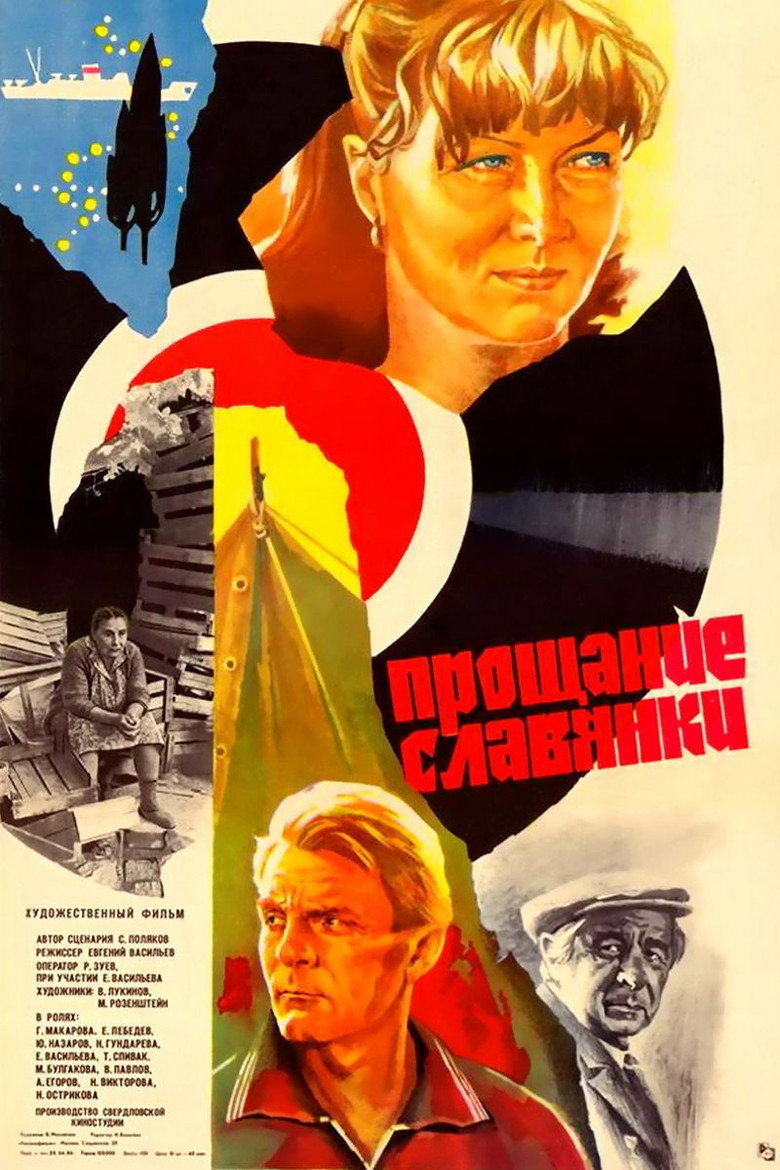
1985
Director
Evgeniy Vasilev
Runtime
80 minutes
Average Rating
No ratings yetSynopsis
A retired air force colonel comes on summer vacation to the Crimea. He comes as a non-official holiday-maker, so the main problem is to find night quarters. There is a brim-full of holiday-makers here at holyday season, and for locals the main business is to rent a bunk. And if one also manages to make money on sending pears, apples, grapes, the whole winter will be supported. Thus many locals survive, others become callous, cynical cold fish, concerned only about gains. Anna Ivanovna, the flat owner, renting a bunk to the colonel, starts reminding of the latter. Looking over a photo in a hall, the colonel suddenly recognizes himself in youth with a friend, who died of consumption and who turned out to be the Annas son.
Overall Score
Fair
Category Breakdown
LGBTQ+ Representation
The film lacks explicit LGBTQ+ characters or narratives. The story centers on traditional interpersonal connections and the shared history between the protagonist and the landlady.
Gender Representation
Anna Ivanovna provides a central figure of agency, managing property and economic survival. The narrative shifts focus from military authority to the lived, civilian experience of female resilience.
Racial & Ethnic Diversity
Set in the ethnically diverse Crimea, the film focuses on a relatively homogeneous group of Soviet citizens. The setting provides a backdrop without making multi-ethnic casting a central theme.
Religious & Cultural Diversity
The narrative explores subjective morality and the tension between altruism and cynicism. It prioritizes human connection and collective memory over material accumulation or state-centric triumphs.
Disability Representation
Tuberculosis serves as a narrative catalyst to link the past and present. The illness is framed through human loss rather than as a superficial plot device.
Strengths
Areas for Improvement
AI Analysis
Evgeniy Vasilev’s drama focuses on the intersection of personal memory and social reality. It avoids overt political messaging in favor of a humanistic study of character and survival in the Crimea. The film finds its strength in depicting female agency and the complexities of economic survival. However, it remains within traditional social structures, offering little exploration of LGBTQ+ identities or explicit multi-ethnic representation. Ultimately, the work succeeds as a character study. It uses historical tragedy and domestic struggle to critique materialism, even if it does not aggressively disrupt social norms through identity politics.
1962

1982
2001
1993
1984
1987
2004
1987
1959
1985

1976
1998
No reviews yet. Be the first to share your thoughts on this movie!
Use the rating form above to leave a star rating and optional review.