Somnambulance
2003
No user ratings available yet
Representation score: 4.0 out of 10
Representation Score
Good
1998
Director
Sulev Keedus
Runtime
104 minutes
Average Rating
No ratings yetNew Showbiz Analysis
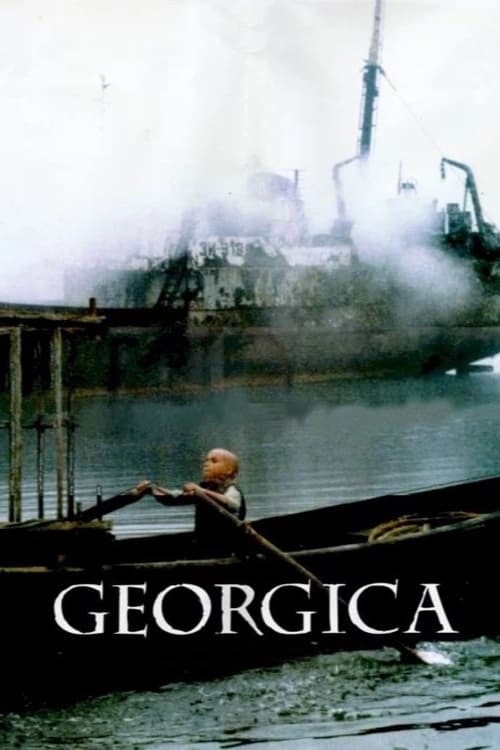
Georgica is an experimental drama that combines personal trauma with historical memory. By intertwining a Soviet-era Estonian setting with the protagonist's colonial past in Africa, the film offers a nuanced, global perspective despite its minimalist setting. The film excels in its sensitive treatment of the boy's mutism, presenting it as a core element rather than a mere plot device. This provides a deep insight into how individuals navigate life outside societal norms. However, the film's limited representation of LGBTQ+ identities and its narrow focus on male characters restrict its scope. While it avoids traditional identity politics, it remains primarily focused on male-centric themes of isolation and memory.
Category Breakdown
The film does not explicitly depict LGBTQ+ identities or relationships that go beyond the assumption that everyone is straight. The story centers on the bond between an elderly man and a mute child.
The film focuses on male characters and traditional family structures, highlighting societal failures through the neglected boy's story. This suggests a critique of conventional gender roles and family dynamics.
The protagonist's background as a former missionary in Africa introduces a post-colonial perspective, adding complexity to the predominantly Eurocentric storyline.
The film critiques institutional structures, using a Soviet military setting to symbolize state indifference. It emphasizes the characters' internal realities over organized religion or state doctrine.
The boy's mutism is presented as a significant aspect of his character, integrated into the film's narrative to highlight his psychological reality within a challenging environment.
Present on Screen
Limited or Absent
Official Synopsis
The action takes place in post-World War II Estonia. An old man lives alone on a deserted island which the Soviet fighter planes use for nighttime target practicing. A young neglected boy, who has become mute, is banished from the mainland and sent to the island to keep the old man company. Both are haunted by memories, the boy about his mother and the old man about the years before World War I he spent as a young missionary in Africa
2003
2009

1996
2003

2007

1963
2004
1965
No reviews yet. Be the first to share your thoughts on this movie!
Use the rating form above to leave a star rating and optional review.