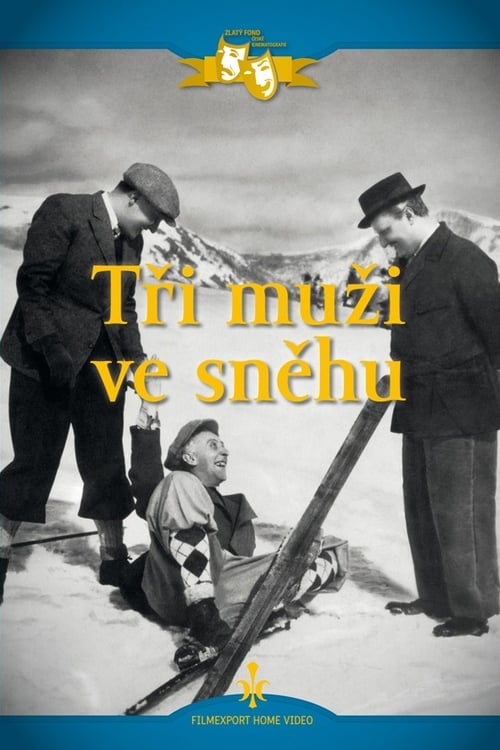
Three Men in the Snow
1936
No user ratings available yet
Representation score: 1.9 out of 10
Representation Score
Minimal
1939
Director
Miroslav Cikán
Runtime
0 minutes
Average Rating
No ratings yetNew Showbiz Analysis
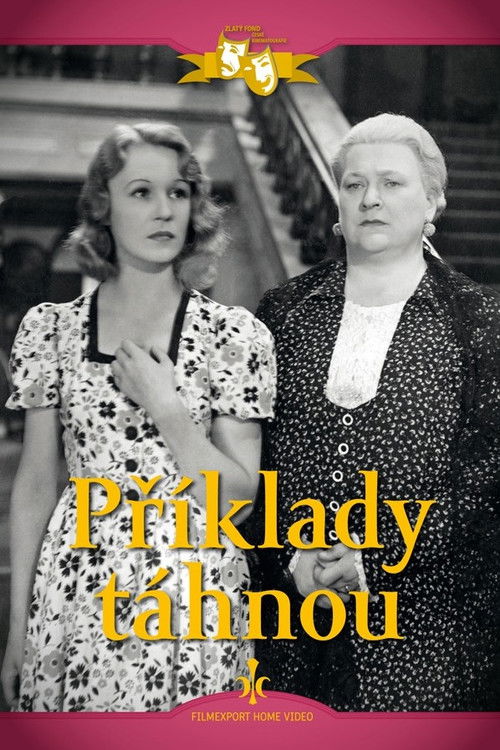
Příklady táhnou is a period-specific domestic comedy that centers on the friction between generational values. The narrative contrasts the grandmother's traditionalism with the university student's modern influences to explore social evolution. While the film allows female characters to influence social etiquette and physical activity, it lacks broader diversity. The story's focus remains within the domestic and social norms of the time. Ultimately, the film's trajectory favors a return to traditional hierarchies. Instead of promoting progressive disruption, the resolution suggests a cyclical return to the status quo, limiting its potential for social change.
Category Breakdown
The film contains no evidence of queer narratives or non-straight-centered identities. It appears to adhere to the standard straight-centered social structures of 1939.
Female characters play central roles, providing moments where they take control and challenge traditional stereotypes. However, the story ultimately upholds traditional feminine roles and domestic stability.
The film reflects the homogeneous demographics of the Czech region during its time. There is no indication of diverse casting or racial representation.
The plot examines the tension between tradition and modernity. While it introduces modern behaviors, the ending supports the preservation of established customs and social norms.
There is no information available regarding the depiction of physical or neurodivergent characters in this work.
Present on Screen
Limited or Absent
Official Synopsis
A comedy about a grandmother who raises her granddaughter Jarmila according to the rules of the old days. Only her second granddaughter, a university student Jiřina, makes the dignified old lady not only change her views on youth, but also teaches her to hike, say "Hello!" and shoot a bow. In the end, however, circumstances force the grandmother to abandon her slightly eccentric life and return to her old ways...
1936
1937
1938
1939
1936

1929
1932

1941
No reviews yet. Be the first to share your thoughts on this movie!
Use the rating form above to leave a star rating and optional review.