
Babilônia 2000
2001
No user ratings available yet
Representation score: 8.2 out of 10
Representation Score
Fair
2009
Director
José Padilha
Runtime
110 minutes
Average Rating
No ratings yetNew Showbiz Analysis
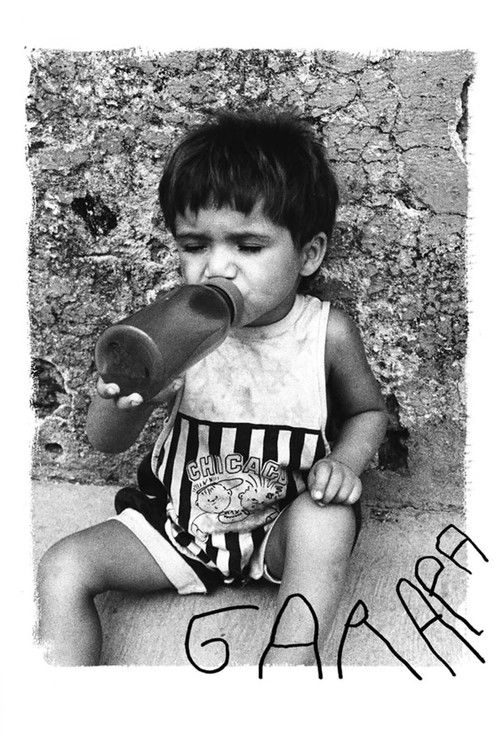
Garapa serves as a work of social realism that disrupts conventional narratives of prosperity. By centering on families facing systemic hardship, the film shifts the focus to those living on the periphery of the global economy. The documentary's strength lies in its ability to challenge Western-centric ideas of progress. It highlights the structural inequities inherent in the Brazilian socio-economic landscape through a lens of survival. However, the film lacks specific data regarding LGBTQ+ representation and disability. While it excels at portraying racial and cultural complexities, these specific identity markers remain unaddressed in the available documentation.
Category Breakdown
The film does not provide specific information about LGBTQ+ characters or non-cisgender identities. The story focuses on the socio-economic survival of families.
Gender roles are shown through the lens of necessity and survival. Women navigate complex labor roles within their struggling socio-economic conditions.
The documentary centers on non-Anglo-Saxon identities by focusing on families in Brazil. It prioritizes the ability to act of underrepresented populations over Western perspectives.
The narrative frames state and economic institutions as insufficient or oppressive. It highlights the lived realities of underrepresented communities over idealized versions of national stability.
There is no evidence regarding the depiction of physical disabilities or neurodivergence. The profiles of the three families do not specify these traits.
Present on Screen
Limited or Absent
Official Synopsis
A documentary on three families struggling to survive in Brazil.
2001

2000

2010

1963
2011

2002

2013
2002
No reviews yet. Be the first to share your thoughts on this movie!
Use the rating form above to leave a star rating and optional review.