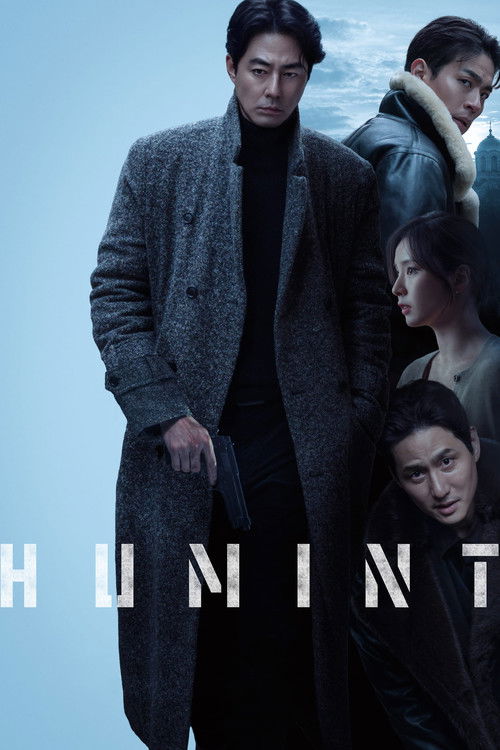
Humint
2026
No user ratings available yet
Representation score: 0.8 out of 10

Representation Score
Fair
2010
Not RatedDirector
Jang Hoon
Runtime
117 minutes
Average Rating
No ratings yetNew Showbiz Analysis
Secret Reunion is a character-driven thriller that prioritizes the deconstruction of political indoctrination over demographic breadth. The film explores the friction between individual loyalty and systemic demands, using the North-South Korean divide to examine identity and 'otherness'. However, the film lacks significant representation regarding gender and LGBTQ+ identities. The narrative structure is heavily centered on masculine archetypes, with women largely relegated to supporting roles that lack a significant role in driving the story. Ultimately, the film succeeds as a study of situational ethics. It suggests that human connection can exist in opposition to state-driven morality, even if it does not offer a diverse range of social perspectives.
Category Breakdown
The film does not feature explicit LGBTQ+ characters or narratives. The close relationship between the two male leads is portrayed as a strong, platonic friendship formed through shared experiences.
The story heavily relies on masculine archetypes and espionage clichés. Women play supporting roles that help advance the male protagonists' journeys, reinforcing traditional gender roles.
The film examines identity through the lens of the North-South Korean divide. This internal ethnic and political tension serves as a proxy for studying 'otherness' and intra-ethnic conflict.
The narrative critiques institutional rigidity and state loyalty. It portrays the protagonists' bond as a rebellion against nationalistic mandates in favor of personal morality.
The film does not focus on disability or neurodivergence. Physical trauma is used primarily as a plot device to increase the stakes of the action sequences.
Present on Screen
Limited or Absent
Official Synopsis
Two spies share a secret bond, despite their loyalties. A North Korean assassin is sent to Seoul to kill a dissident, but instead he teams up with a South Korean agent in search for revenge.
2026

2013

1998

2012
2002

2011

2013
2017
No reviews yet. Be the first to share your thoughts on this movie!
Use the rating form above to leave a star rating and optional review.