
Front Page Woman
1935
No user ratings available yet
Representation score: 2.1 out of 10
Representation Score
Minimal
1938
ApprovedDirector
Harry Lachman
Runtime
63 minutes
Average Rating
No ratings yetNew Showbiz Analysis
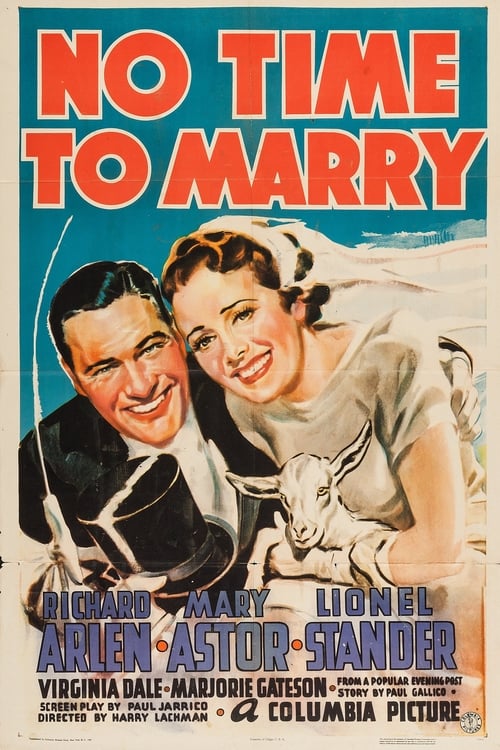
No Time to Marry is a classic screwball comedy that reflects the social hierarchies of the late 1930s. While it provides some ability to act to its female protagonist through her career in journalism, the story ultimately reinforces traditional romantic expectations and domestic norms. The film lacks diversity, presenting a homogeneous social world that excludes racial, ethnic, and LGBTQ+ identities. Its narrative structure supports the status quo of the time, focusing on conventional courtship and social standing. Ultimately, the film serves as a historical example of mid-century studio filmmaking, resolving professional conflicts through traditional marriage.
Category Breakdown
The film strictly follows the social norms of the 1930s, assuming everyone is straight and cisgender. There are no representations of LGBTQ+ identities or relationships.
The film offers some ability to act to the female protagonist as she navigates a competitive professional environment. However, the story resolves around traditional marriage and romantic reconciliation.
The film depicts a uniform social environment within an urban setting, lacking visible racial or ethnic diversity. It reflects the era's exclusion of non-white characters.
The plot upholds traditional Western institutions and emphasizes the sanctity of engagement and courtship rituals. It celebrates social status and the stability of conventional norms.
The film does not portray any visible or invisible disabilities. All characters are shown as able-bodied participants in a fast-paced urban comedy.
Present on Screen
Limited or Absent
Official Synopsis
In this lightweight comedy, two news reporters who are engaged to be married endure romantic difficulties in their competitive pursuit of a "big scoop".
1935

1940

1936

1928
1938

1934

1931

1942
No reviews yet. Be the first to share your thoughts on this movie!
Use the rating form above to leave a star rating and optional review.