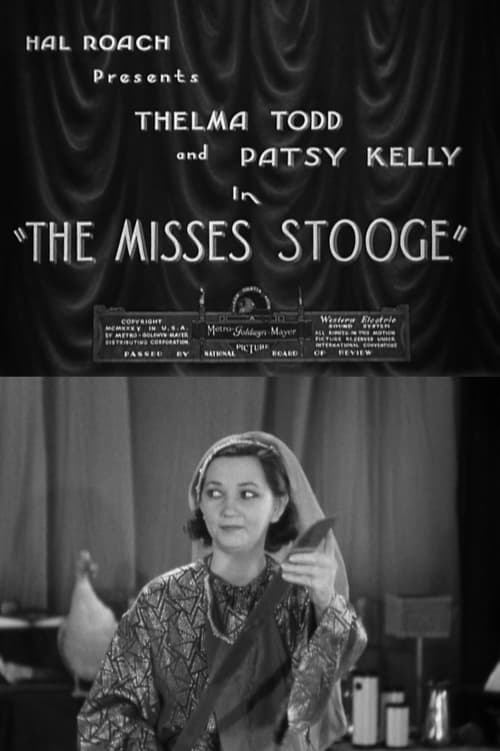
The Misses Stooge
1935
No user ratings available yet
Representation score: 2.5 out of 10
Representation Score
Minimal
1935
ApprovedDirector
William H. Terhune
Runtime
19 minutes
Average Rating
No ratings yetNew Showbiz Analysis
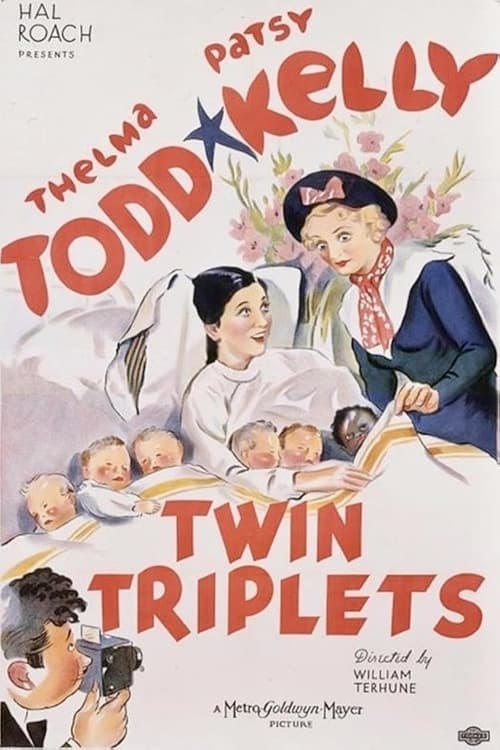
Twin Triplets is a mid-1930s comedy centered on two female reporters, Thelma and Patsy, investigating a hospital. While the film provides women with professional independence, it appears to follow the conventional storytelling methods of the era. The film lacks evidence of diverse casting or non-straight/cisgender identities. It seems to reflect the homogeneous social landscape typical of 1935 cinema. Overall, the film offers women active roles but falls short in broader characters who reflect more than one aspect of diversity or challenging traditional narratives.
Category Breakdown
The film does not depict any non-straight or non-cisgender identities. There are no scenes showing same-sex relationships or intimacy.
Thelma and Patsy have professional jobs as reporters, which gives them a sense of independence and control over their lives. However, it's unclear if the film challenges traditional gender roles or uses them for humor.
The film likely reflects the predominantly white casting practices typical of 1935. There is no indication of diverse casting or inclusion of actors from different racial backgrounds.
The story revolves around an investigation at a hospital. It's unclear whether the film critiques or supports traditional Western institutions, given the time period's tendency to favor conventional morality.
Despite the hospital setting, there is no specific evidence of characters with disabilities or neurodivergent conditions being portrayed.
Present on Screen
Limited or Absent
Official Synopsis
Thelma and Patsy are reporters who investigate a hospital.
1935
1937
1939
1929
1932

1935

1936
1938
No reviews yet. Be the first to share your thoughts on this movie!
Use the rating form above to leave a star rating and optional review.