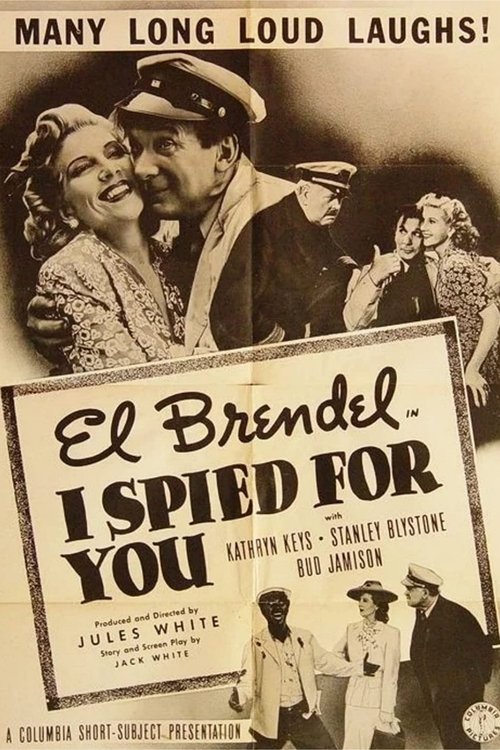
I Spied for You
1943
No user ratings available yet
Representation score: 1.7 out of 10
No Poster Available
Representation Score
Minimal
1944
ApprovedDirector
Jules White
Runtime
18 minutes
Average Rating
No ratings yetNew Showbiz Analysis
She Snoops to Conquer is a typical period comedy that relies on established archetypes of the 1940s. While the female lead demonstrates professional competence, her character is ultimately defined by her pursuit of marriage. The film lacks depth in representing various aspects of identity, such as race, culture, or LGBTQ+. It functions within the social and casting norms of mid-century Columbia Pictures comedies. Ultimately, the film offers a narrow perspective on social dynamics, prioritizing slapstick and romantic clichés over diverse viewpoints or systemic challenges.
Category Breakdown
The film does not include any LGBTQ+ characters or non-assuming gender matches what was assigned at birth identities. The storyline revolves around a marriage proposal, adhering to traditional heterosexual norms.
Vera Vague is a professional reporter who plays a significant role in uncovering a spy ring. However, her main goal is to get married, which reflects mid-century romantic clichés where personal relationships often take precedence over professional ambitions.
The film seems to adhere to the homogeneous casting standards typical of 1944. There is no indication of diverse ethnic representation or non-Anglo-Saxon majority casting.
The story unfolds within a conventional 1940s Western framework. It focuses on espionage and professional stakes without addressing secular themes or challenging traditional social hierarchies.
The film does not mention any characters with visible or invisible disabilities. The narrative does not address neurodivergence or physical impairments.
Present on Screen
Limited or Absent
Official Synopsis
Vera Vague (Barbara Jo Allen) is a reporter aiming to march her editor boss down the aisle. He agrees to marry her if she can uncover a key spy. She nets a whole ring of spies.
1943
1948
1945
1953
1940
1943
1942
1943
No reviews yet. Be the first to share your thoughts on this movie!
Use the rating form above to leave a star rating and optional review.