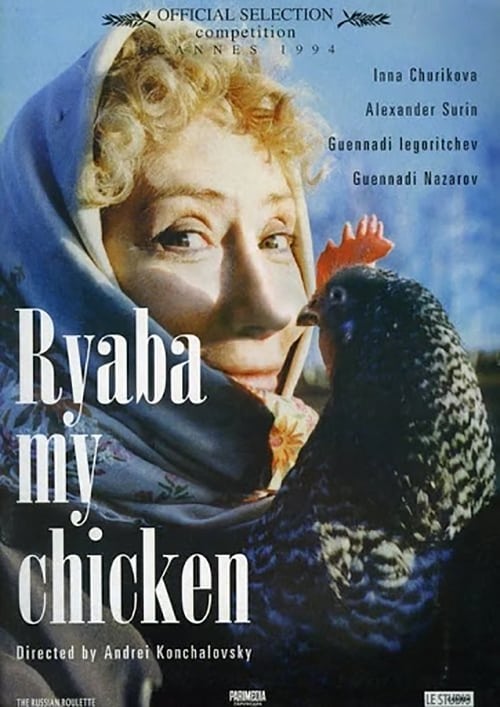
Ryaba, My Chicken
1994
No user ratings available yet
Diversity score: 4.9 out of 10
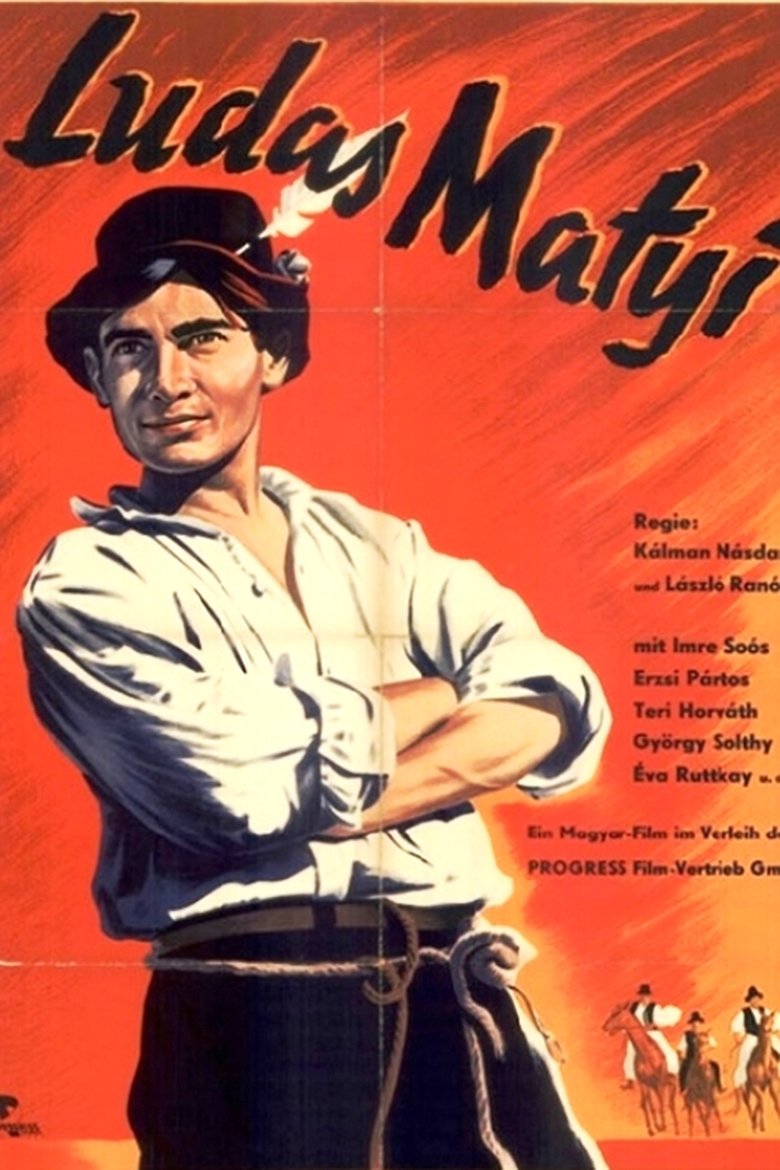
1950
Director
László Ranódy, Nádasdy Kálmán
Runtime
100 minutes
Average Rating
No ratings yetSynopsis
A young peasant boy stands up to tyranny, aided by his trusting friend- a goose.
Overall Score
Fair
Category Breakdown
LGBTQ+ Representation
The film lacks any documented LGBTQ+ characters or non-heteronormative identities. It relies on traditional folk archetypes common to 1950s Hungarian cinema.
Gender Representation
The narrative centers on a male youth challenging authority. While it disrupts power structures, there is little evidence of female agency or subversion of gender roles.
Racial & Ethnic Diversity
The cast and setting are ethnically homogeneous, reflecting the local Hungarian population. It functions as a localized cultural narrative rather than a multi-ethnic production.
Religious & Cultural Diversity
The film offers a progressive critique of feudalism and class oppression. It uses folk symbolism to dismantle the seriousness of established social institutions and tyranny.
Disability Representation
There is no mention of characters with visible or invisible disabilities within the narrative.
Strengths
Areas for Improvement
AI Analysis
Goose Boy is a localized folk comedy that prioritizes class struggle over modern intersectional representation. Its strength lies in its anti-authoritarian framework, using a peasant protagonist to critique systemic tyranny and feudal hierarchies. However, the film remains limited by the social standards of its era. It lacks diversity in terms of gender, race, and sexual orientation, presenting a largely homogeneous worldview. Ultimately, the film serves as a social commentary on power dynamics rather than a diverse character study.
1994
1972
1976
1979
1950
1984
1970
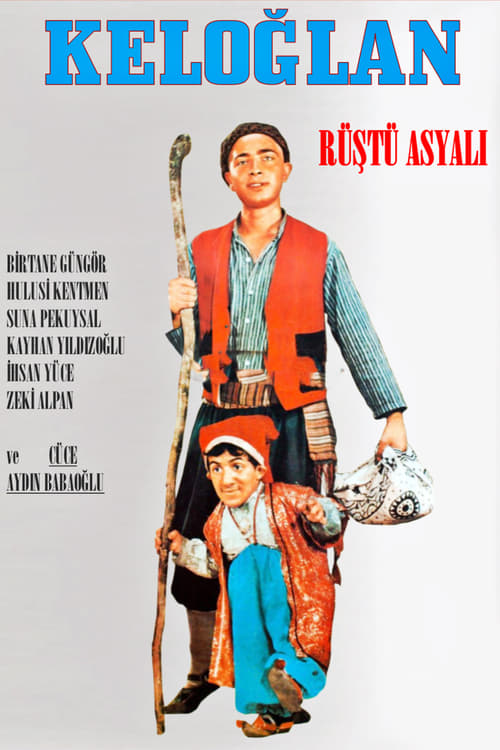
1971
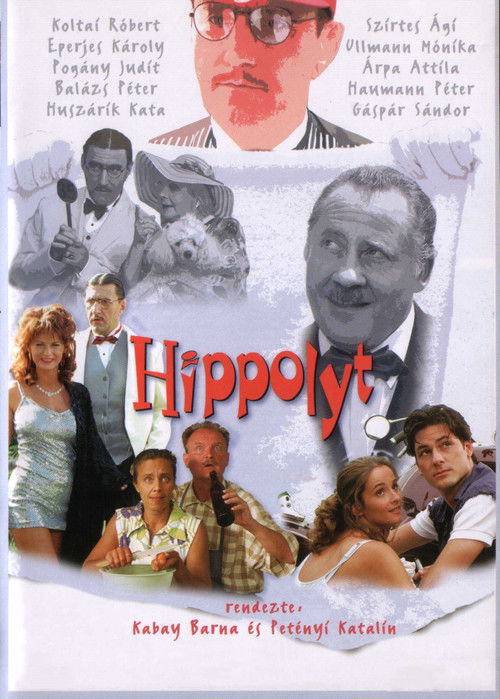
1999
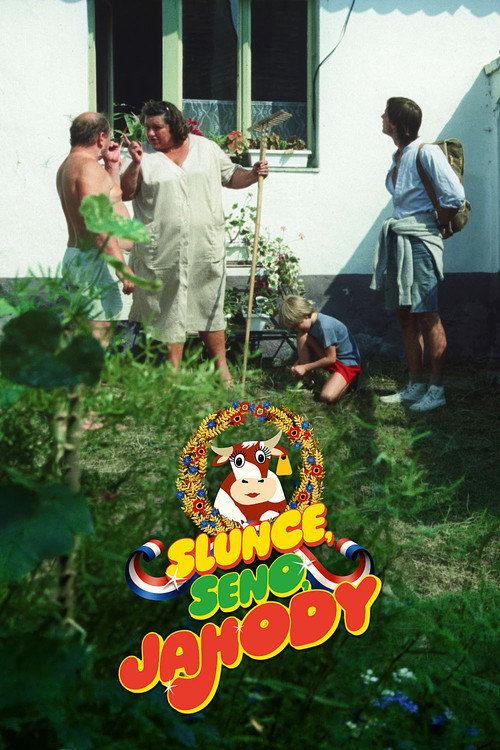
1984
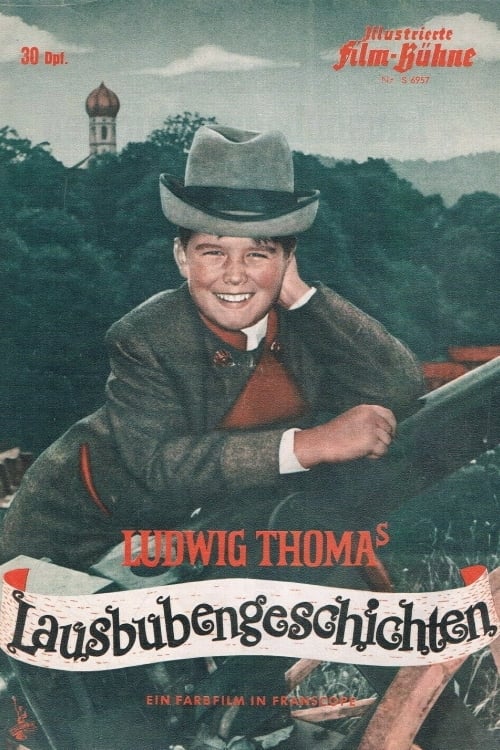
1964
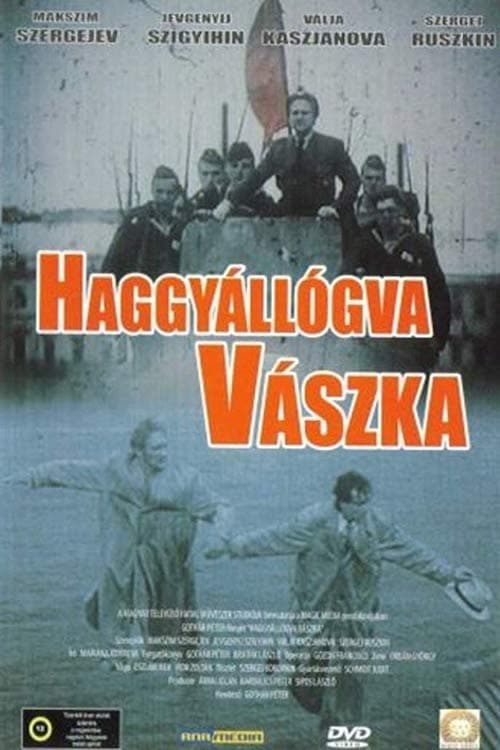
1996
No reviews yet. Be the first to share your thoughts on this movie!
Use the rating form above to leave a star rating and optional review.