My Donkey, My Lover & I
2020
No user ratings available yet
Representation score: 5.4 out of 10
Representation Score
Limited
1970
Director
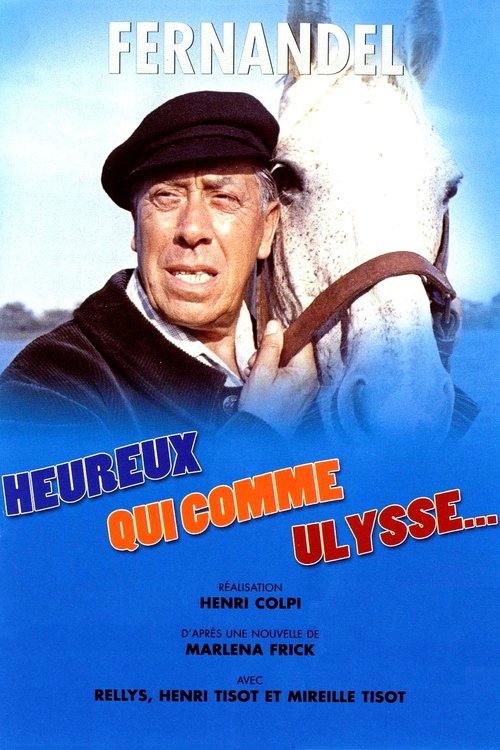
Henri Colpi
Runtime
90 minutes
Average Rating
No ratings yetNew Showbiz Analysis
The film is a poetic, character-driven study of companionship and individual morality. It prioritizes an emotional journey between Antonin and Ulysse over the exploration of diverse identities or systemic social critiques. While the story challenges the concept of property and ownership, it does so through a personal lens rather than through identity politics. The film remains a traditional piece of European cinema that reflects the social homogeneity of its setting.
Category Breakdown
The film focuses on the relationship between a man and his horse. It does not include any depictions of non-straight or non-cisgender identities or narratives that address heteronormativity.
The story follows a traditional framework centered around the male protagonist. It does not actively challenge traditional gender roles or masculinity.
Set in rural 1970s Provence, the cast and setting appear largely homogeneous. The film reflects the specific demographic reality of its geographic and temporal context.
The narrative offers a subtle critique of capitalism by rejecting the commodification of living beings. It explores humanistic themes of companionship and survival.
There are no documented instances of characters with visible or invisible disabilities. No such characters are used as narrative devices.
Present on Screen
Limited or Absent
Official Synopsis
For 25 years now, under the Provence sun, Antonin, a farmhand, has shared his work and everyday life with a horse named Ulysse. What a shock when Pascal, the farmer, tells him he has decided to sell Ulysse to a picador for being too old. Not only will he be separated from his faithful companion, but he is well aware too that the arenas of Arles mean death for Ulysse. Being unable to stand such injustice, Antonin runs away from the farm in the company of Ulysse. Together, they go through the Lubéron, the Baux de Provence, the Alpilles, the Crau and the Vaccarès. Yet, their journey is no pleasure cruise, specially when it comes to crossing National Road 7. After a visit to Marcellin, an old friend of his, Antonin sets off again with Ulysse, this time towards the Rhône River.
2020
1990
1960
1994

1971
2020
1950
2018
No reviews yet. Be the first to share your thoughts on this movie!
Use the rating form above to leave a star rating and optional review.