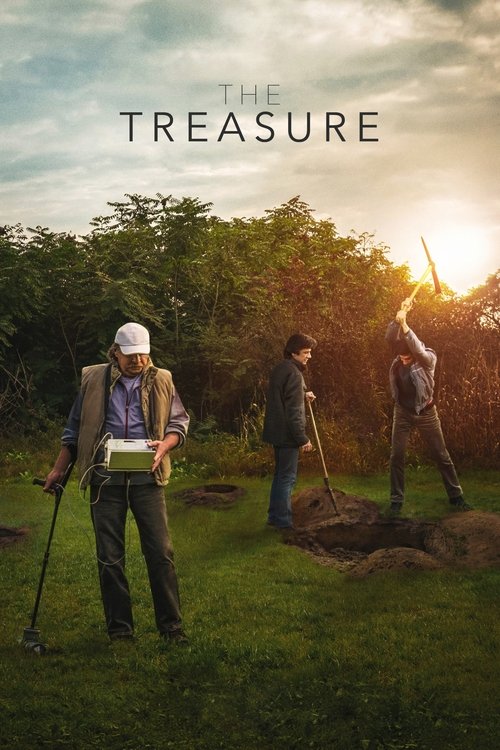
The Treasure
2015
No user ratings available yet
Diversity score: 4.5 out of 10
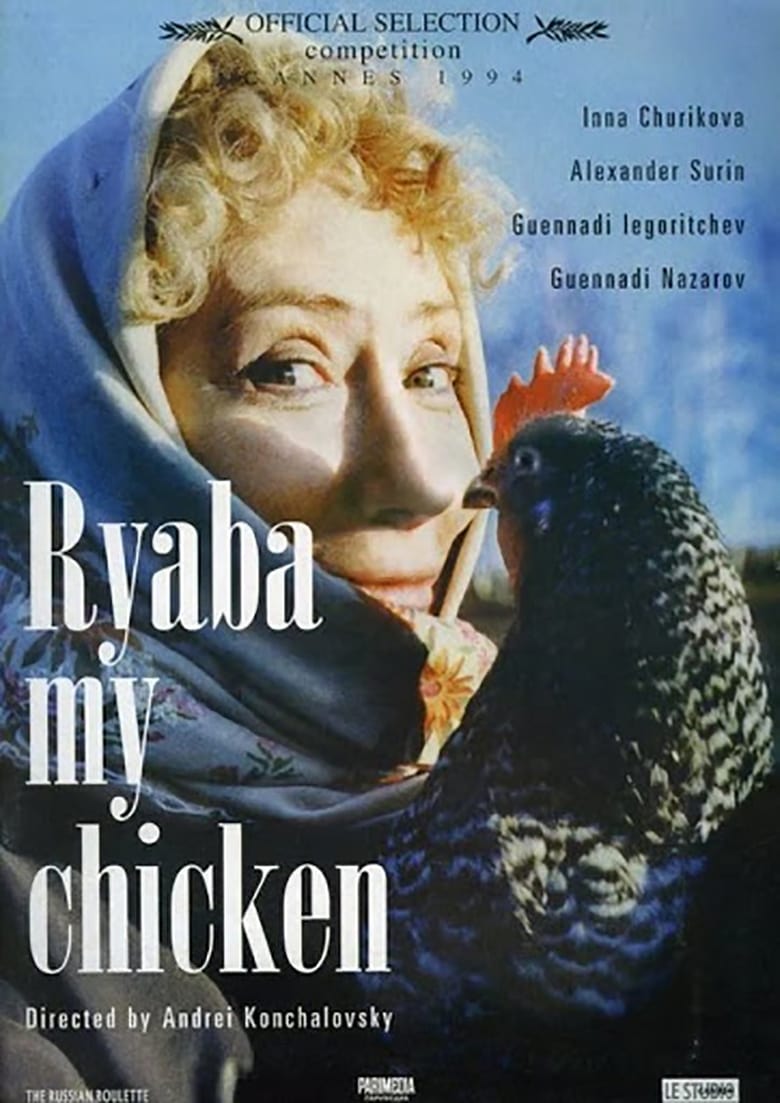
1994
Director
Andrei Konchalovsky
Runtime
117 minutes
Average Rating
No ratings yetSynopsis
Assia lives in a small Russian village, populated by useless alcoholics. She sells eggs and alcohol to her neighbours, and everybody is happy. However, one day, her hen lays a golden egg, and Assia may have a golden opportunity.
Overall Score
Fair
Category Breakdown
LGBTQ+ Representation
The film contains no evidence of LGBTQ+ characters or narratives addressing non-heteronormative identities.
Gender Representation
A female protagonist provides a baseline of agency within the story. However, she remains rooted in traditional agrarian roles without evidence of subverting gender hierarchies.
Racial & Ethnic Diversity
Set in a Soviet historical context, the film implies a homogeneous cultural setting. There is no explicit evidence of racial or ethnic pluralism.
Religious & Cultural Diversity
The narrative offers a sophisticated critique of institutionalized collectivism. It uses a folk-tale premise to challenge the sanctity of private property and individual merit.
Disability Representation
There is no evidence regarding the portrayal of physical or neurodivergent disabilities.
Strengths
Areas for Improvement
AI Analysis
Ryaba, My Chicken uses a comedic folk-tale framework to explore the friction between private ownership and the social mandate of the 'good citizen.' The film's strength lies in its systemic critique of communal expectations and wealth redistribution. While the film lacks explicit representation for LGBTQ+ identities, racial diversity, or disability, it succeeds in its cultural commentary. It examines the tension between individual agency and the pressures exerted by a collective society. Ultimately, the film functions more as a socio-political satire than a diverse character study, focusing on the burden of prosperity within a specific historical framework.
2015
1968
1969
1956
1927
1934
1980
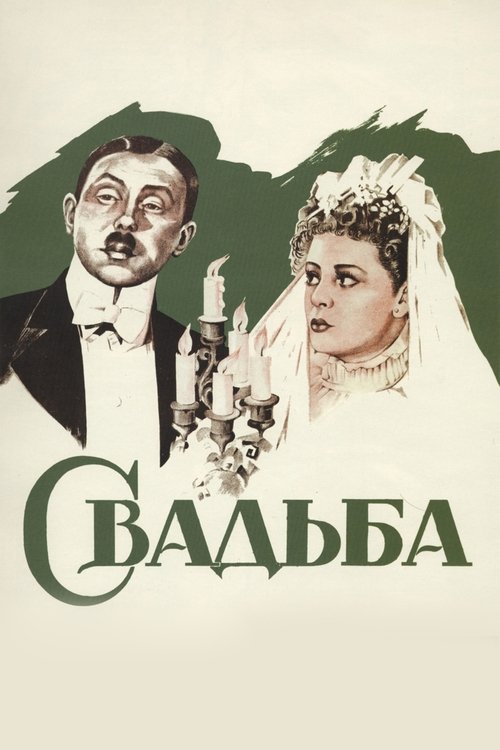
1944
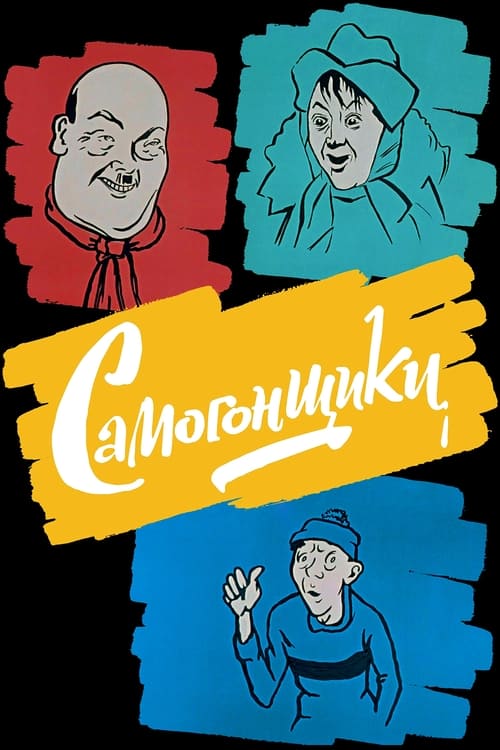
1962
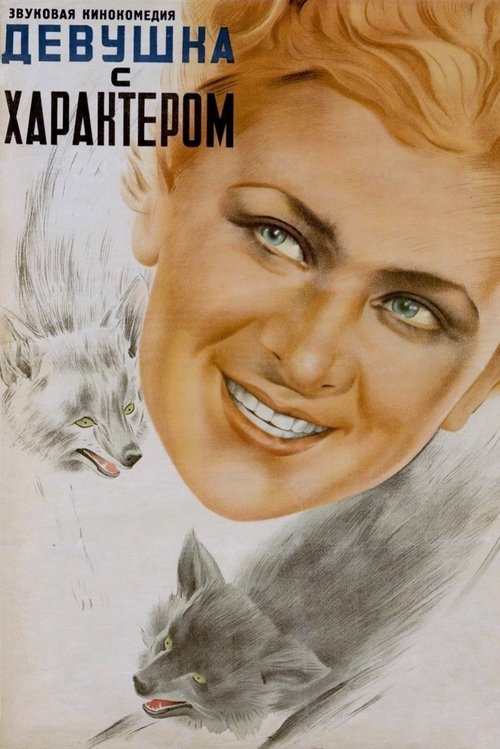
1939
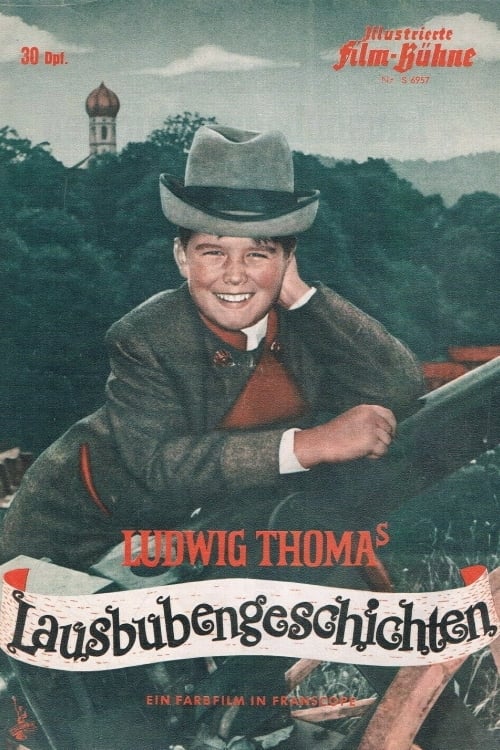
1964
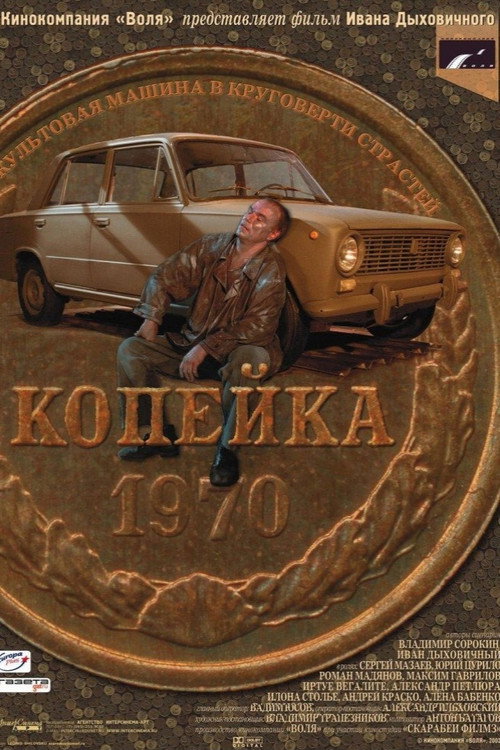
2002
No reviews yet. Be the first to share your thoughts on this movie!
Use the rating form above to leave a star rating and optional review.