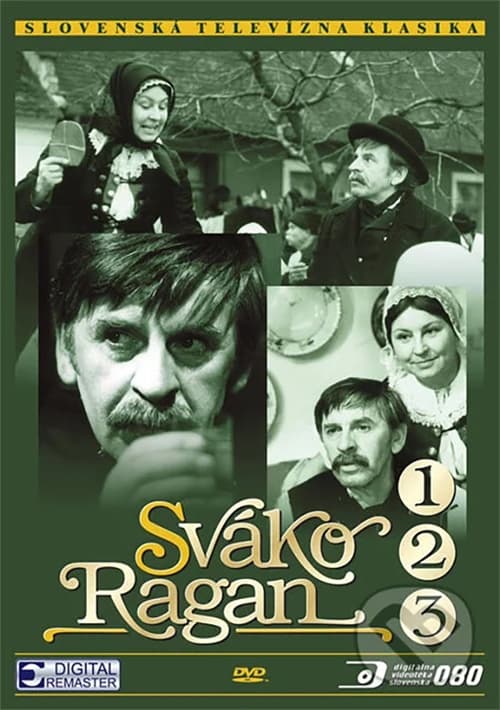
Sváko Ragan
1976
No user ratings available yet
Representation score: 5.0 out of 10
Representation Score
Fair
1976
Director
Martin Ťapák
Runtime
85 minutes
Average Rating
No ratings yetNew Showbiz Analysis
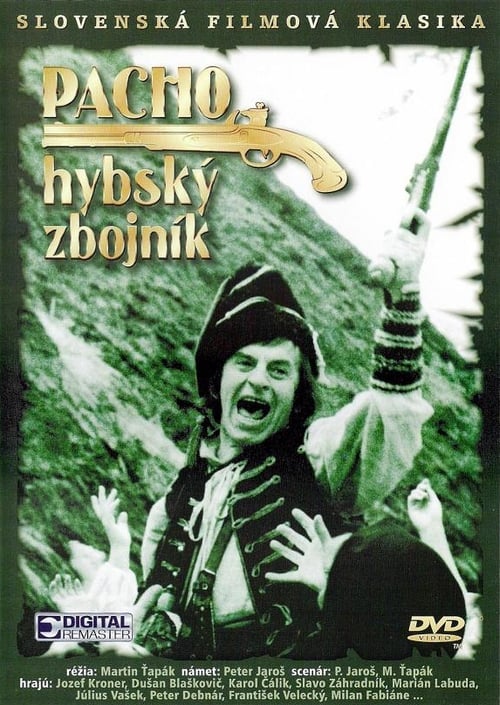
Pacho, the Brigand of Hybe is a period comedy that finds its strength in socio-political subversion rather than modern identity politics. The film uses folk traditions to critique the injustice of feudalism, centering a protagonist who fights systemic oppression through cleverness. However, the film lacks contemporary markers of diversity. It presents a culturally homogeneous world and follows traditional gender and sexual archetypes common to 1970s Eastern European cinema. Ultimately, the work offers a meaningful departure from status-quo storytelling by focusing on class struggle, even if it lacks diversity in terms of race, gender ability to act, or LGBTQ+ representation.
Category Breakdown
The film does not include explicit representations of LGBTQ+ identities or non-binary gender roles. It relies on traditional folk archetypes that prioritize heterosexual relationships.
The story centers on a male outlaw navigating feudal oppression. While the narrative focuses on a male lead disrupting patriarchal hierarchies, female characters play minor roles.
Set in the Slovakian highlands, the film depicts a historically homogeneous population. It celebrates specific regional ethnic heritage rather than modern multiculturalism.
The film excels by critiquing feudal hierarchies and class-based power. The protagonist uses wit to combat systemic injustice and corrupt, centralized authority.
There is no evidence regarding the portrayal of physical or neurodivergent disabilities within the narrative.
Present on Screen
Limited or Absent
Official Synopsis
A funny outlaw tale inspired by traditional folk humour. Pacho is no ordinary outlaw. He detests injustice and feudal oppression and he copes with each troublesome situation with the help of his cleverness and wit.
1976
1962
1952
1975

1975

2002
1979

1950
No reviews yet. Be the first to share your thoughts on this movie!
Use the rating form above to leave a star rating and optional review.