Identification
1974
No user ratings available yet
Representation score: 5.3 out of 10
Representation Score
Limited
1961
Director
Grigoriy Roshal
Runtime
115 minutes
Average Rating
No ratings yetNew Showbiz Analysis
The film operates as a moralistic drama centered on individual ethics rather than demographic variety. Its primary value lies in its ideological critique of fascism and the weaponization of science. While the film takes a progressive stance against systemic oppression and state-sponsored violence, it remains tied to conventional storytelling formulas. The focus is heavily weighted toward male-driven intellectual conflict. Ultimately, the work prioritizes moral decision-making over diverse representation, making it a study of conscience rather than a diverse social tapestry.
Category Breakdown
The film does not include any visible LGBTQ+ characters or non-straight relationships. The story focuses entirely on the ethical struggle between scientific discovery and military fascism.
The narrative follows a traditional male-centric structure. It centers on the intellectual conflict between two male protagonists, Werner and Huber, with little evidence of women playing a significant role in driving the story.
Set in 1930s Europe and the USA, the film focuses on ideological warfare. The character dynamics do not suggest a diverse or non-Anglo-Saxon majority cast.
The film strongly critiques authoritarianism and militarism. It portrays the misuse of scientific progress for state-driven violence as a profound moral failure.
There is no documented evidence regarding the portrayal of physical or neurodivergent disabilities within the film's narrative.
Present on Screen
Limited or Absent
Official Synopsis
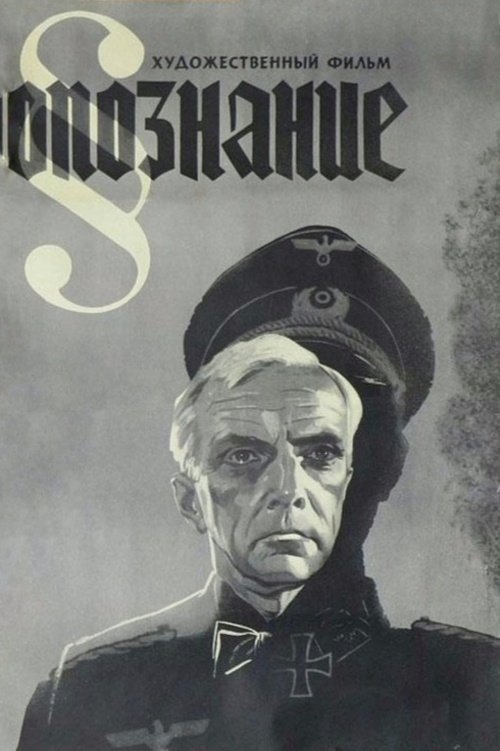
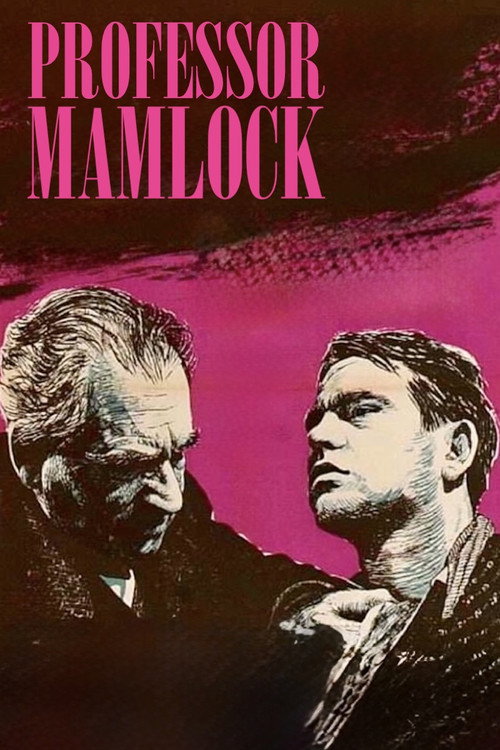
Germany, the 1930s. A young scientist, Professor Johannes Werner discovers rays of life-giving power. The scientist refuses to give up his invention for military use and, breaking the equipment, runs to the USA, where he hides for a long time under the name of Martini. One day, after being invited to a military industrial concern to see a new European invention, Werner meets his former pupil Huber. Huber, a traitor and fascist, has restored the professor's apparatus according to stolen plans and is demonstrating it as his own invention. Werner rejects the proposal for joint cooperation and, at a meeting in the hall of scientific associations, reveals his real name and resolutely reveals the criminal intentions of the revanchists.
1974

1981

1951

1965
1980

1931
1961
2015
No reviews yet. Be the first to share your thoughts on this movie!
Use the rating form above to leave a star rating and optional review.