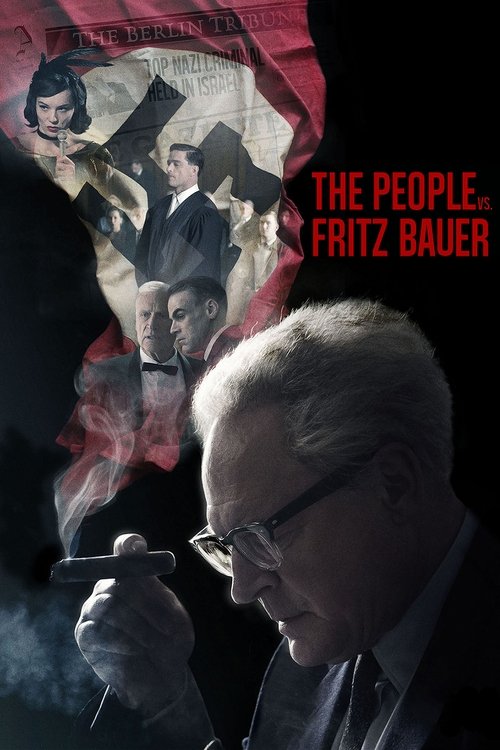
The People vs. Fritz Bauer
2015
No user ratings available yet
Representation score: 5.8 out of 10
Representation Score
Fair
2016
Director
Stephan Wagner
Runtime
92 minutes
Average Rating
No ratings yetNew Showbiz Analysis
The film's diversity profile is shaped by its historical setting and its focus on institutional critique. While demographic variety is limited by the 1950s German context, the narrative actively challenges traditional power structures. The strength of the work lies in its progressive stance against systemic corruption and the preservation of Nazi-era cliques. However, the film lacks visible representation of racial, gender, or LGBTQ+ diversity, focusing strictly on the internal political and judicial struggles of a specific historical moment.
Category Breakdown
The film does not explicitly confirm any LGBTQ+ characters or non-cisgender identities. Although the protagonist's isolation hints at social vulnerability, there is no clear evidence of queer narratives.
The story centers on Fritz Bauer, a male protagonist challenging patriarchal power structures. However, the gender dynamics of the supporting cast are not detailed.
Set in 1950s Germany, the film reflects the demographic homogeneity of the era. It focuses on internal political cleansing within a predominantly white European context.
The film offers a strong critique of Western institutions and post-war German government corruption. It prioritizes systemic accountability and the victims of Nazi crimes over nationalist stability.
There is no indication of characters with physical or neurodivergent disabilities within the narrative.
Present on Screen
Limited or Absent
Official Synopsis
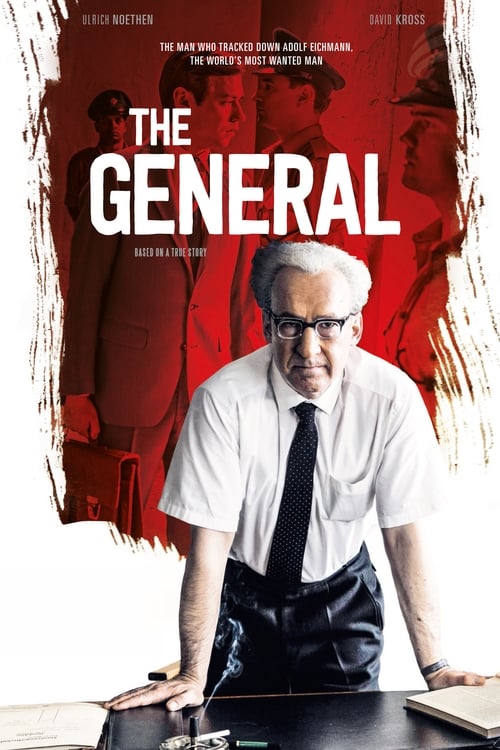
In the young Federal Republic of Germany, which in the late 1950s in politics and justice is still interspersed with only superficially purified Nazi cliques, leads the Hessian Attorney General Fritz Bauer a lonely fight against the coverup of Nazi crimes and the restorative policy of the government Adenauer - he is firmly convinced that only in this way can the young democracy be consolidated. Not only his attitude, but also his temperament make Bauer vulnerable, again and again resistance forms from politics, intelligence services and the judiciary against the lone fighter.
2015
2014
1974
1974
2018
1961
2021
2016
No reviews yet. Be the first to share your thoughts on this movie!
Use the rating form above to leave a star rating and optional review.