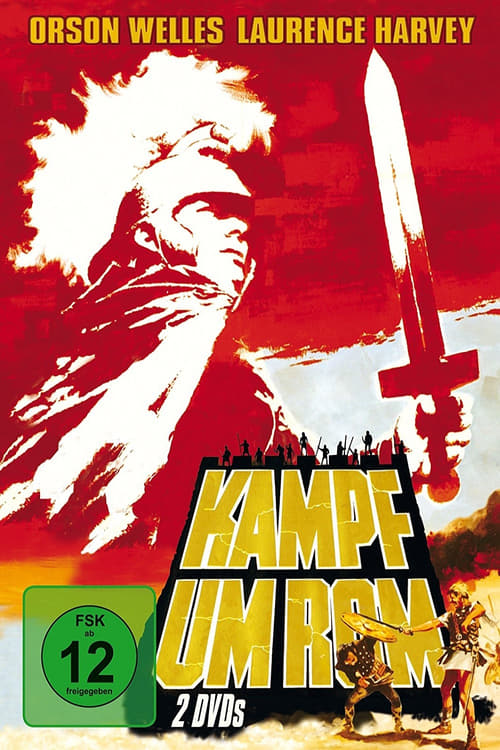
Amazons of Rome
1961
No user ratings available yet
Representation score: 4.0 out of 10
Representation Score
Limited
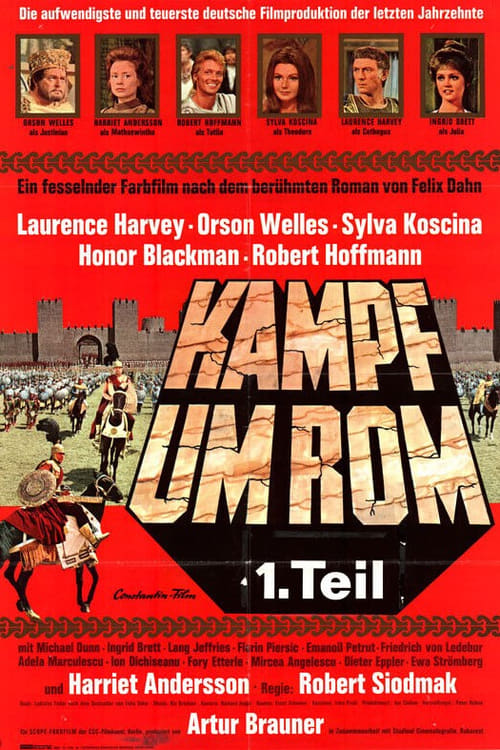
1969
Director
Andrew Marton, Robert Siodmak, Sergiu Nicolaescu
Runtime
76 minutes
Average Rating
No ratings yetNew Showbiz Analysis
The film functions as a conventional historical epic, prioritizing large-scale spectacle and classical storytelling over the exploration of diverse identities. Its narrative structure relies on established power hierarchies and traditional genre clichés typical of late 1960s international co-productions. While the setting includes diverse Byzantine and Gothic elements, the depiction remains rooted in Eurocentric historical perspectives. The focus on military machinations and political betrayal reinforces a masculine-driven plot that lacks significant challenges to social norms. Ultimately, the production serves as a standard period adventure. It maintains the social and gendered status quo of its era, offering little in the way of diverse or non-traditional representation.
Category Breakdown
The film does not include any representation of LGBTQ+ identities or same-sex relationships. It follows the assumption that everyone is straight and cisgender, fitting the conventions of both its 1969 production era and the ancient Roman setting.
The story revolves around male political maneuvering and military conflicts led by a cunning general. Female characters likely play secondary or romantic roles within traditional hierarchies.
The Byzantine and Gothic setting offers a multi-ethnic environment, but the film likely sticks to Eurocentric views of antiquity. There is no indication of casting that challenges standard European perspectives.
This historical drama stays within the established canon of Western civilization. The narrative focuses on imperial structures and classical morality, avoiding secular or subversive themes.
There is no information about the portrayal of physical or neurodivergent disabilities in the film's cast or synopsis.
Present on Screen
Limited or Absent
Official Synopsis
The devious general Cethegus plays the Byzantine and Gothic forces against each other for his own gain.
1961
1964
1968
1953

1954
1962
1961

1963
No reviews yet. Be the first to share your thoughts on this movie!
Use the rating form above to leave a star rating and optional review.