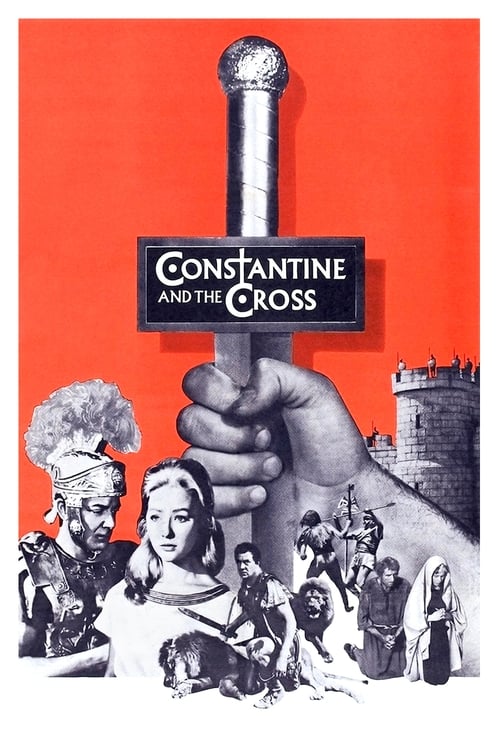
Constantine and the Cross
1961
No user ratings available yet
Representation score: 1.1 out of 10
Representation Score
Limited
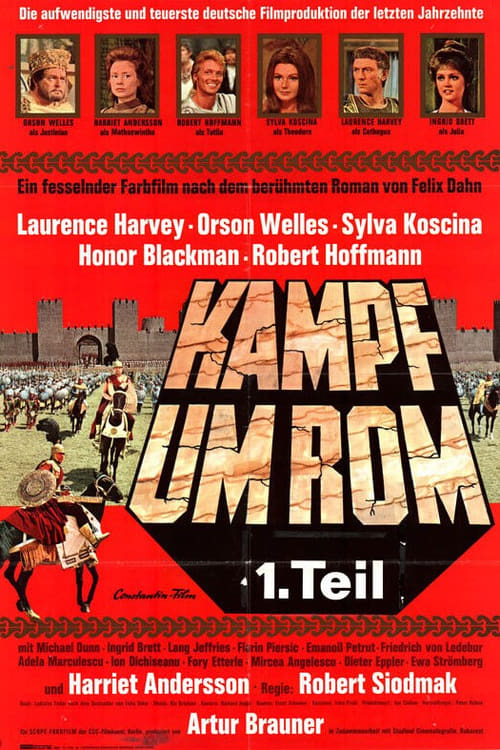
1968
Director
Robert Siodmak, Sergiu Nicolaescu, Andrew Marton
Runtime
103 minutes
Average Rating
No ratings yetNew Showbiz Analysis
The film functions as a traditional historical epic centered on power dynamics and imperial authority. While it features a female leader, the narrative structure reinforces established social hierarchies through themes of honor and romantic interference. The conflict between the Byzantine and Ostrogothic cultures provides a baseline for ethnic and cultural representation. However, the story remains within the bounds of conventional Western historical storytelling. Overall, the film lacks significant representation of underrepresented identities, focusing instead on the classic friction between noble ambition and tribal sovereignty.
Category Breakdown
The film focuses on political machinations and geopolitical conflict. There is no evidence of LGBTQ+ identities or same-sex intimacy.
Queen Amalasuntha provides a focal point for women's roles. However, her role is often tied to emotional arcs and traditional feminine virtues.
The clash between the Byzantine Empire and the Ostrogoths allows for depictions of cultural differences. The narrative relies on the friction between these two distinct kingdoms.
The story follows traditional historical clichés regarding empire and lineage. It operates within a standard moral framework centered on individual honor and kingdom stability.
There are no visible or invisible disabilities portrayed in the narrative. Disability does not appear to serve as a narrative device.
Present on Screen
Limited or Absent
Official Synopsis
A Roman noble, Cethegus, tries to start a war, setting the Ostrogoths and their Queen, Amalasuntha, against the Byzantine Emperor Justinian; Cethegus wants to swoop in after they have destroyed each other and create a new Roman Empire from their combined kingdoms; however, he does not factor into his plans the vagaries of love and the personal integrity of the people in both kingdoms.
1961
1964
1961
1979

1949

1951
1969
1963
No reviews yet. Be the first to share your thoughts on this movie!
Use the rating form above to leave a star rating and optional review.