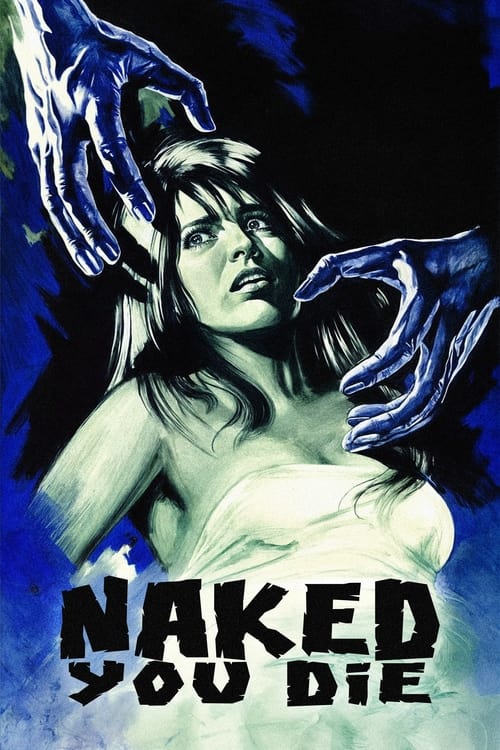
Naked You Die
1968
No user ratings available yet
Representation score: 1.8 out of 10
Representation Score
Limited
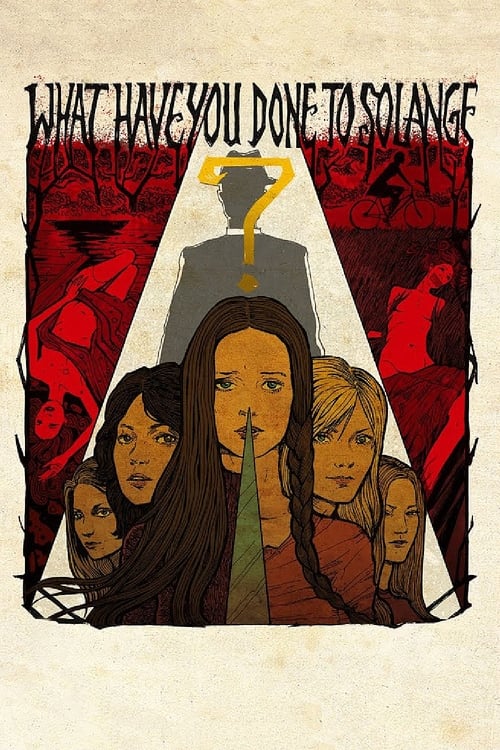
1972
RDirector
Massimo Dallamano
Runtime
107 minutes
Average Rating
No ratings yetNew Showbiz Analysis
Massimo Dallamano’s thriller is a product of its time, emphasizing psychological tension and the dismantling of social facades over progressive representation. While it avoids the cliché of the 'stable male leader' by presenting flawed authority figures, it remains firmly grounded in the conventions of the giallo genre. The film lacks complexity in representing multiple aspects of identity, focusing instead on a homogeneous cast and traditional heterosexual relationships. Although it critiques the effectiveness of established institutions, it does so through the lens of psychological suspense rather than social or political activism. Ultimately, the work serves as a study of moral ambiguity. It offers limited demographic diversity, relying on traditional genre archetypes that often position women as victims rather than autonomous agents.
Category Breakdown
The film focuses on heterosexual relationships, particularly a teacher's affair with a student. There is no representation of LGBTQ+ identities or narratives that question traditional social norms.
Female characters play key roles in driving the narrative but are often portrayed as subjects of violence or voyeurism. The film challenges traditional patriarchal norms by showing male authority figures as morally compromised or ineffective.
The cast is primarily composed of white actors, reflecting the typical makeup of 1970s European genre films. The London setting features a homogeneous ensemble without intentional racial diversity or non-Anglo-Saxon viewpoints.
The story delves into moral relativism and questions the effectiveness of institutions such as the Catholic school system. It operates as a psychological study rather than a critique of systemic issues.
Psychological trauma and hidden secrets are central to the plot, serving to generate suspense rather than offering nuanced portrayals of mental health conditions or independent ability to act.
Present on Screen
Limited or Absent
Official Synopsis
After several Catholic school pupils are murdered, a teacher who is having an affair with one of his students becomes a suspect. When other gruesome murders start occurring shortly thereafter, the teacher suspects that he may be the cause of them.
1968

1972
1972
1971
1971

1975
1975
1971
No reviews yet. Be the first to share your thoughts on this movie!
Use the rating form above to leave a star rating and optional review.