Little Light
2003
No user ratings available yet
Representation score: 5.5 out of 10
Representation Score
Excellent
1999
Not RatedDirector
Djibril Diop Mambéty
Runtime
45 minutes
Average Rating
No ratings yetNew Showbiz Analysis
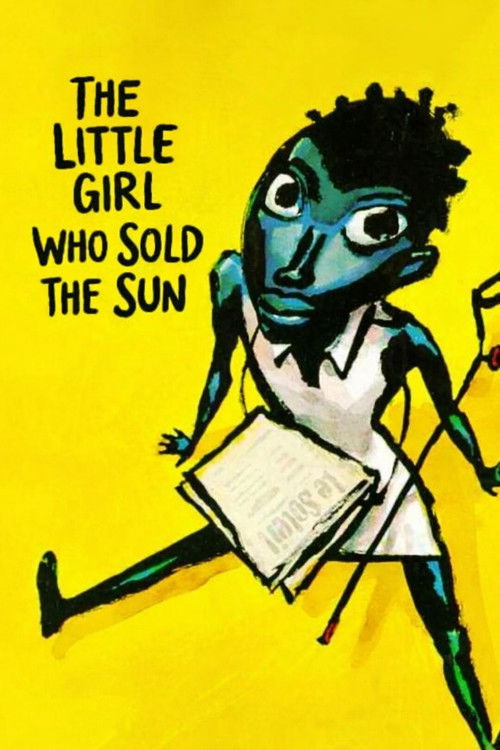
Djibril Diop Mambéty’s work excels at dismantling traditional hierarchies. By centering a young girl with a disability in the urban landscape of Dakar, the film challenges expectations regarding both gendered labor and physical capability. The narrative provides a sophisticated look at ability to act within a post-colonial setting. It moves away from Western-centric perspectives to offer a localized, authentic depiction of Senegalese life and social dynamics. While the film lacks visible LGBTQ+ representation, its strength lies in its multi-layered approach to gender, disability, and economic struggle.
Category Breakdown
The film does not include explicit LGBTQ+ characters or non-straight identities. The focus remains primarily on gender and physical ability.
A female protagonist challenges gendered economic expectations by entering the male-dominated world of street vending. She drives the story against patriarchal structures.
Set in Dakar, the film offers an authentic Senegalese perspective that resists the Western gaze. It centers African ability to act through a localized, non-Anglo-Saxon setting.
The story explores resilience within a post-colonial urban context. It highlights a underrepresented child navigating a capitalist street economy.
The protagonist's physical disability acts as a catalyst for ability to act rather than a source of pity. She avoids common clichés by using her position to challenge social orders.
Present on Screen
Limited or Absent
Official Synopsis
A young girl with a physical disability arrives in Dakar and challenges the convention of boys selling newspapers on the street.
2003
1973
2006
1995
2010
2017
1970
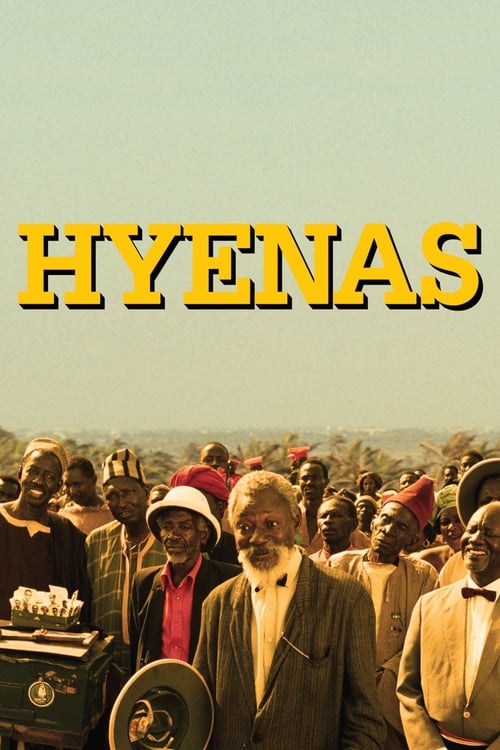
1992
No reviews yet. Be the first to share your thoughts on this movie!
Use the rating form above to leave a star rating and optional review.