
Love in Another Language
2009
No user ratings available yet
Representation score: 8.1 out of 10
Representation Score
Excellent
1985
Director
Brahim Tsaki
Runtime
77 minutes
Average Rating
No ratings yetNew Showbiz Analysis
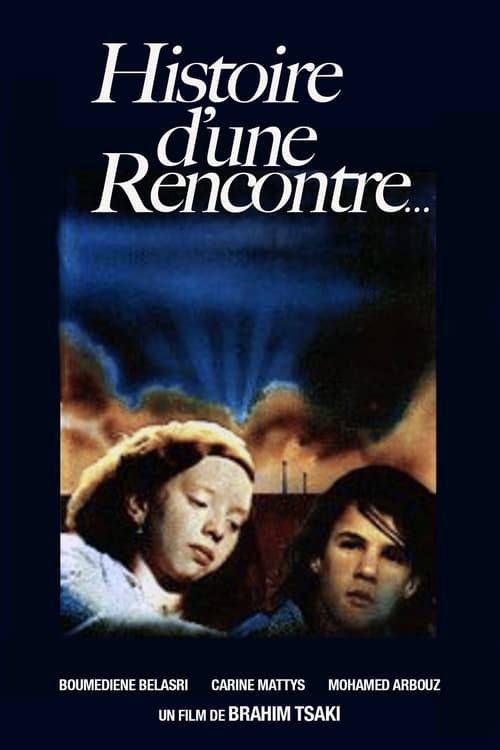
Tale of an Encounter is a sophisticated exploration of connections between different aspects of identity. It successfully navigates the complex power dynamics between Western industrial interests and North African agrarian life through the eyes of two children. The film's greatest strength lies in its use of disability as a bridge rather than a barrier. By centering the deaf experience, the narrative disrupts conventional expectations of social and physical isolation. While the film excels in racial and disability representation, it remains neutral regarding LGBTQ+ themes and offers limited detail on the subversion of gender hierarchies.
Category Breakdown
The film does not explicitly address LGBTQ+ identities or dynamics that go beyond the assumption that everyone is straight or cisgender. The score reflects a neutral stance due to the absence of such elements.
The narrative allows a female character to play a significant role in driving the story, transcending her socio-economic background to form a bond. However, specific details about challenging traditional gender roles remain unconfirmed.
The film pairs an American with an Algerian, disrupting traditional cinematic homogeneity by blending different racial and economic backgrounds.
The story centers on children who exist outside standard linguistic frameworks, challenging Western-centric communication. It contrasts Western industrialism with local North African agrarian traditions.
The film treats deafness as a meaningful mode of connection rather than a deficit. It avoids common clichés by making the characters' unique perceptions the catalyst for the plot.
Present on Screen
Limited or Absent
Official Synopsis
Two deaf and dumb children. She is the daughter of an American Oil engineer. He is the son of an Algerian farmer. They meet and manage to communicate, transcending all the cultural barriers that separate them.
2009
1983
1993

1996

2010

1965
2012

1987
No reviews yet. Be the first to share your thoughts on this movie!
Use the rating form above to leave a star rating and optional review.