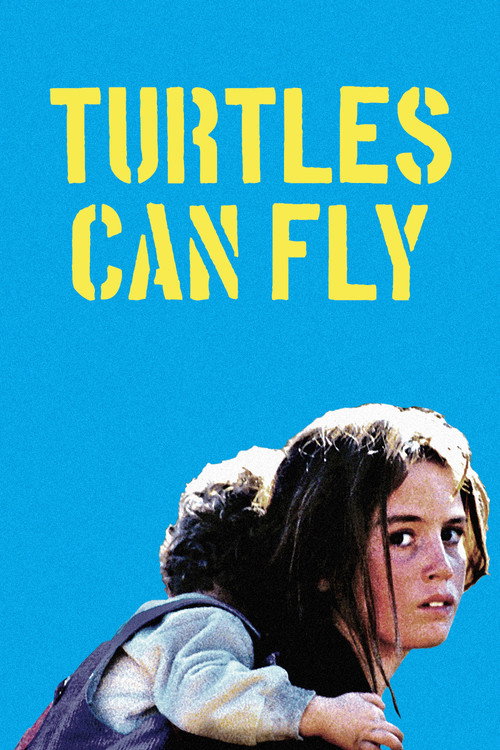
Turtles Can Fly
2004
No user ratings available yet
Representation score: 6.6 out of 10
Representation Score
Excellent
1995
Director
Michel Khleifi
Runtime
112 minutes
Average Rating
No ratings yetNew Showbiz Analysis
Michel Khleifi’s work offers a profound engagement with post-colonial identity, moving beyond Western-centric storytelling. By centering Palestinian and Romani experiences, the film creates a rich, layered narrative that challenges dominant global power structures. The film succeeds in humanizing underrepresented groups, particularly through its portrayal of disability and ethnic identity. It avoids simplistic heroism, opting instead for a nuanced look at how mysticism and imagination aid survival in a brutal landscape. While the film is strong in cultural and ethnic representation, it remains more traditional in its gender and LGBTQ+ depictions. The narrative still allows space for conventional masculine conflict clichés alongside its more progressive elements.
Category Breakdown
The film lacks explicit representations of LGBTQ+ identities or non-straight relationships. The narrative focuses on the childhood bond between a Palestinian boy and a Romani girl.
A young Romani girl provides emotional strength by creating a fairy tale world to cope with Gaza's harsh realities. However, traditional masculine stereotypes persist through the presence of heavily armed male figures.
The film excels by centering Palestinian and Romani lives within a post-colonial context. This provides a layered perspective on underrepresented identities within a conflict zone.
The story critiques Western dominance by portraying the 'North American dreamworld' as a source of isolation. It prioritizes local subjective morality and mystical resilience over Western ideals.
An elderly, blind neighbor is integrated into the protagonist's journey rather than serving as a tragic stereotype. This suggests a humanized depiction of aging and sensory disability.
Present on Screen
Limited or Absent
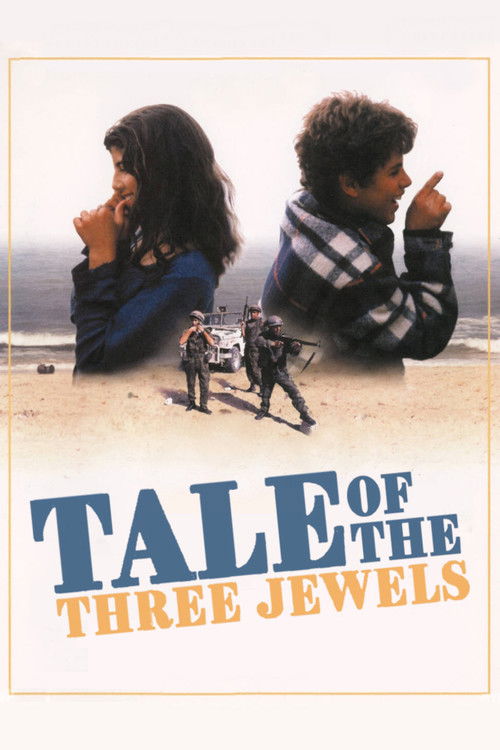
Official Synopsis
A Palestinian boy becomes entranced with a beautiful Romani girl and a fairy tale world she weaves amidst conflict in Gaza. The children explore nature, mysticism and what their future holds, while learning to live with the surrounding brutality c. 1990. Yusef's family scrapes by in a seaside camp while his father's in prison and his heavily-armed brother's on the run, parrying with Israeli troops. Salah, Yusef's schoolmate from a well-off Arab family strives faithfully to assist them, while Yusef helps an elderly, blind neighbor escape from his lonely abandonment into the North American dreamworld he's waited so long for.
2004
2000

2014
2004
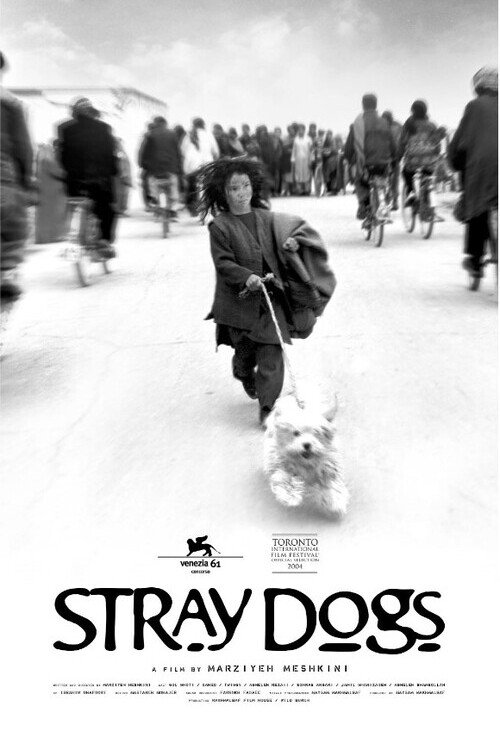
2004

2014
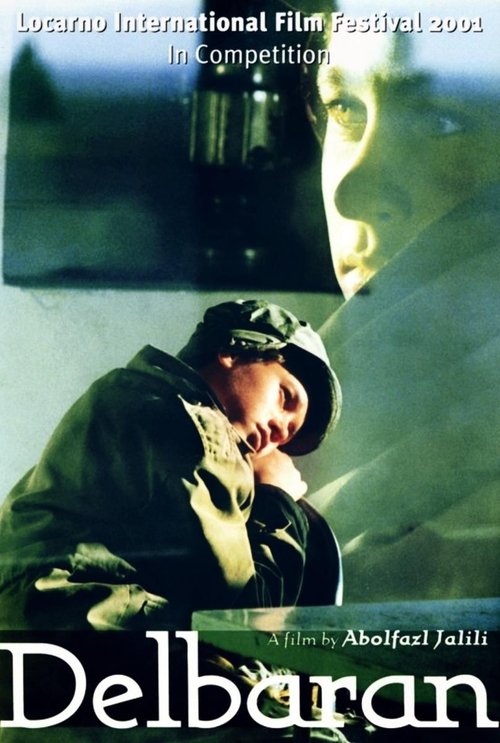
2001
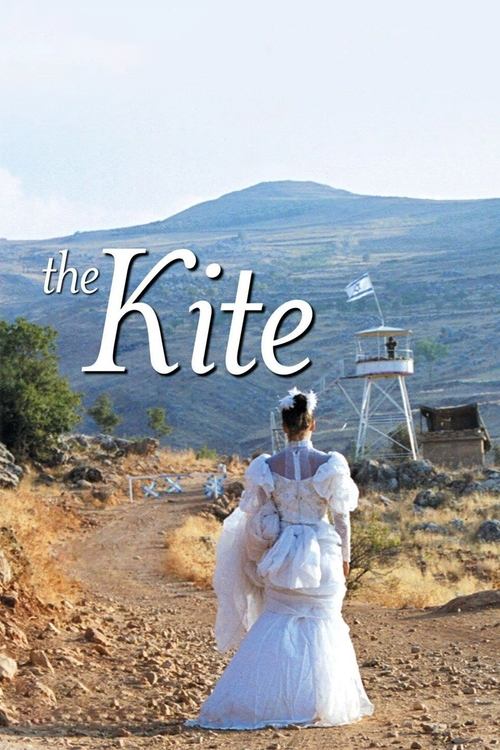
2004
No reviews yet. Be the first to share your thoughts on this movie!
Use the rating form above to leave a star rating and optional review.