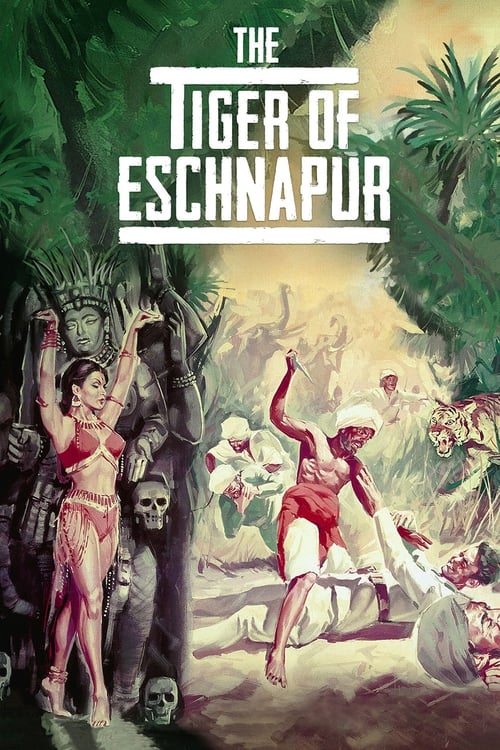
The Tiger of Eschnapur
1959
No user ratings available yet
Diversity score: 2.9 out of 10
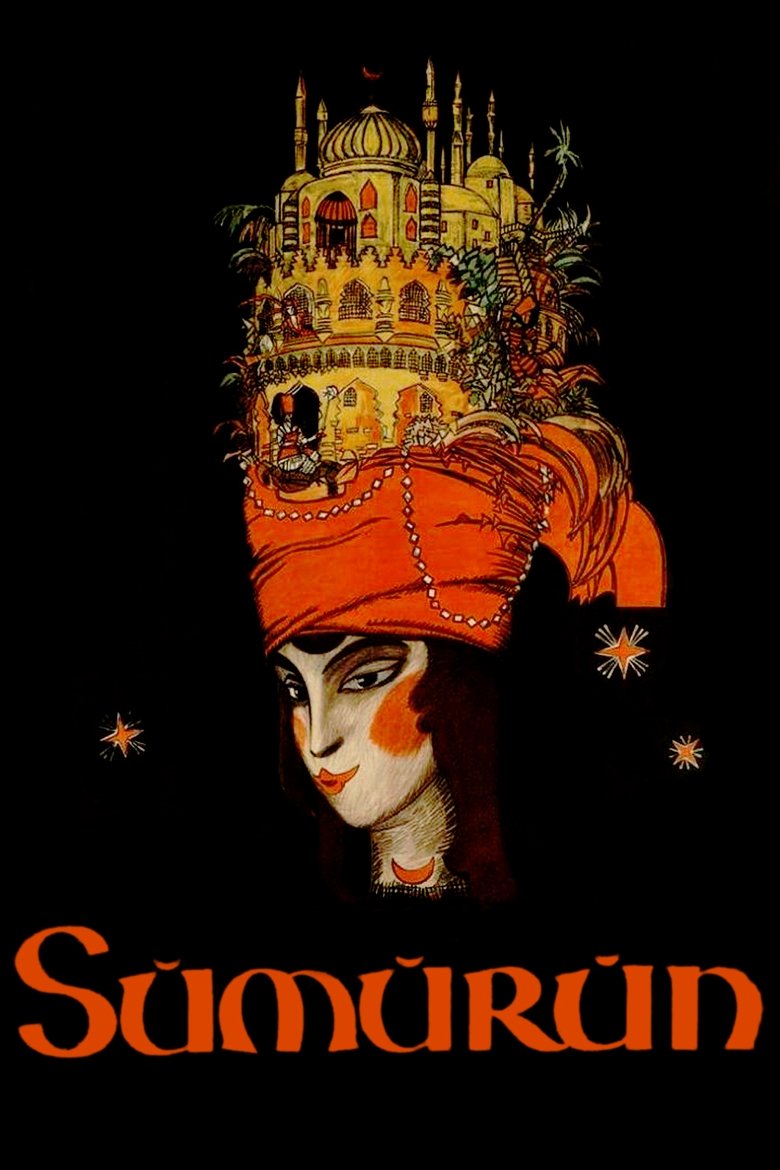
1920
Not RatedDirector
Ernst Lubitsch
Runtime
115 minutes
Average Rating
No ratings yetSynopsis
The favorite slave girl of a tyrannical sheik falls in love with a cloth merchant. Meanwhile, a hunchback clown suffers unrequited love for a traveling dancer who wants to join the harem.
Overall Score
Limited
Category Breakdown
LGBTQ+ Representation
The film lacks LGBTQ+ characters or non-heteronormative identities. The romantic plot remains strictly focused on a central heterosexual melodrama.
Gender Representation
The protagonist demonstrates significant agency and romantic autonomy within the harem setting. However, the film maintains traditional masculine power dynamics through the sheik's rule.
Racial & Ethnic Diversity
The production relies on European actors to portray Middle Eastern characters, reinforcing ethnic caricature. It utilizes a Western-centric lens of Orientalism rather than authentic representation.
Religious & Cultural Diversity
The narrative functions as romantic escapism within a stylized, fictionalized setting. It lacks systemic critique, focusing instead on individual passion and class disparity.
Disability Representation
A hunchback clown is included but primarily serves as a vehicle for pathos. The character lacks independent agency, functioning mostly as a device for unrequited longing.
Strengths
Areas for Improvement
AI Analysis
Sumurun is a quintessential product of 1920s Orientalism, utilizing exoticism as a narrative device. While the female lead offers a degree of agency that avoids purely submissive archetypes, the film is heavily constrained by the era's Eurocentric standards. The production's reliance on whitewashed casting and stylized Middle Eastern settings prioritizes the Western gaze over cultural authenticity. This creates a framework of romanticized hierarchy rather than genuine social exploration. Ultimately, the film's diversity is limited by its period-specific tropes. It provides character-driven melodrama but fails to challenge the colonial-era structures that define its setting.
1959
1921

1926
1930

1933
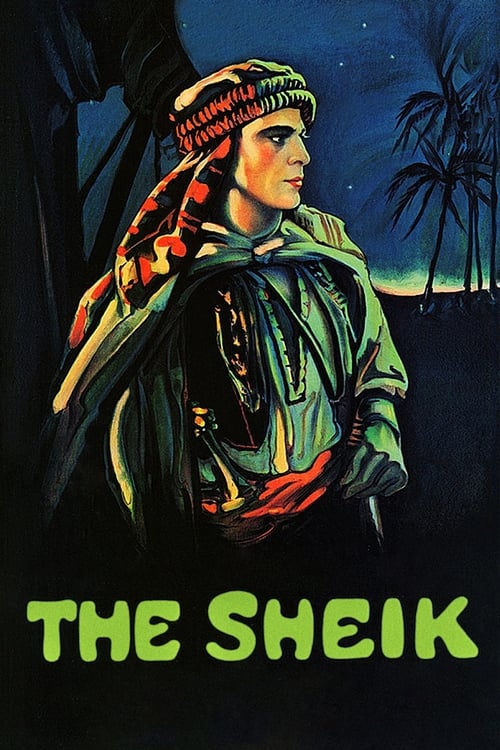
1921
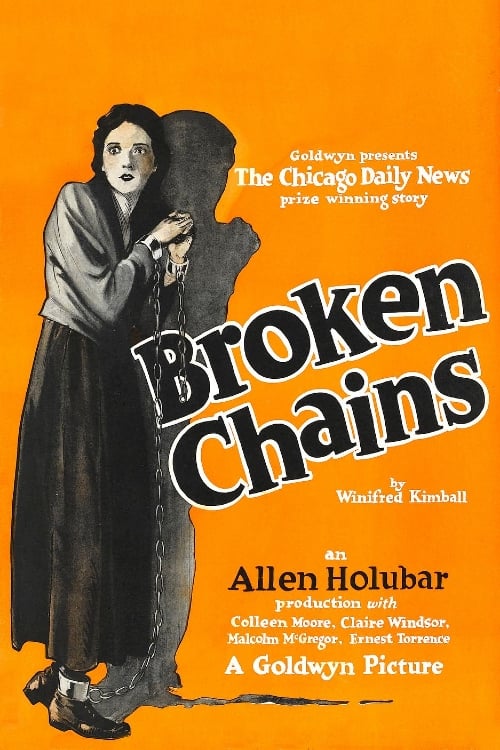
1922
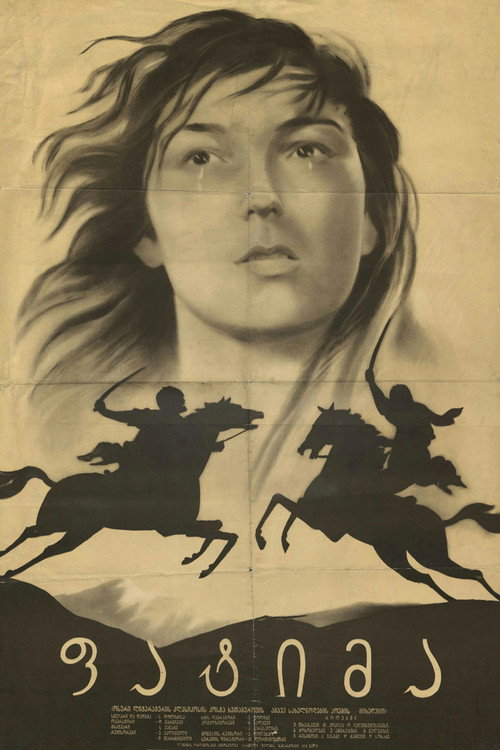
1958
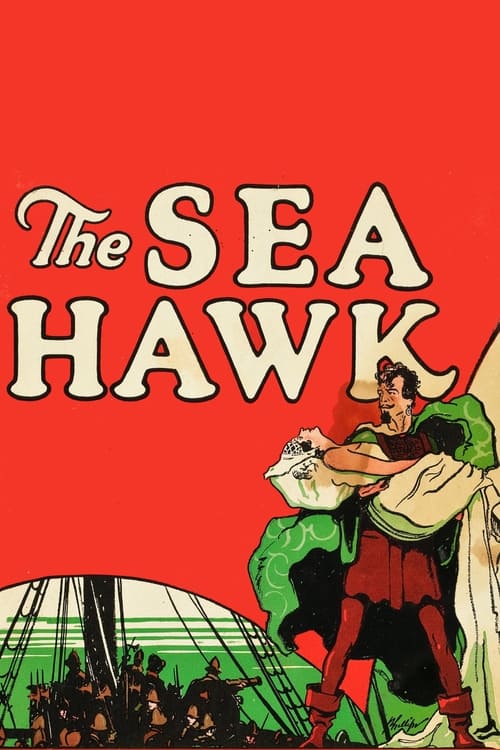
1924
1951
1926
1926
No reviews yet. Be the first to share your thoughts on this movie!
Use the rating form above to leave a star rating and optional review.