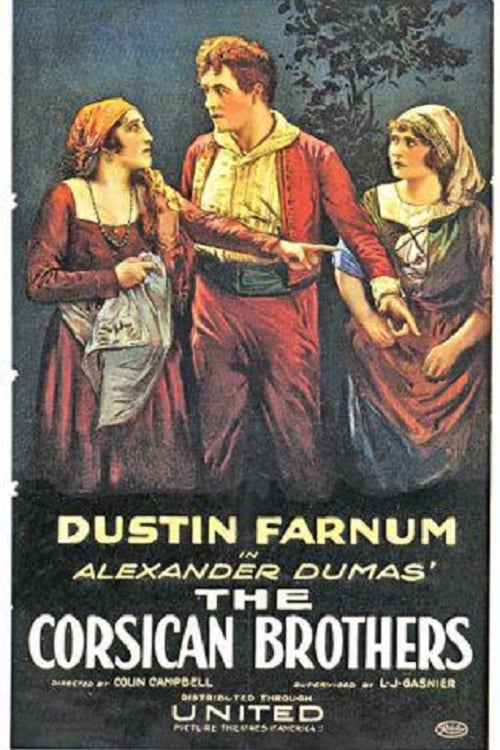
The Corsican Brothers
1920
No user ratings available yet
Representation score: 0.4 out of 10
Representation Score
Minimal
1922
PassedDirector
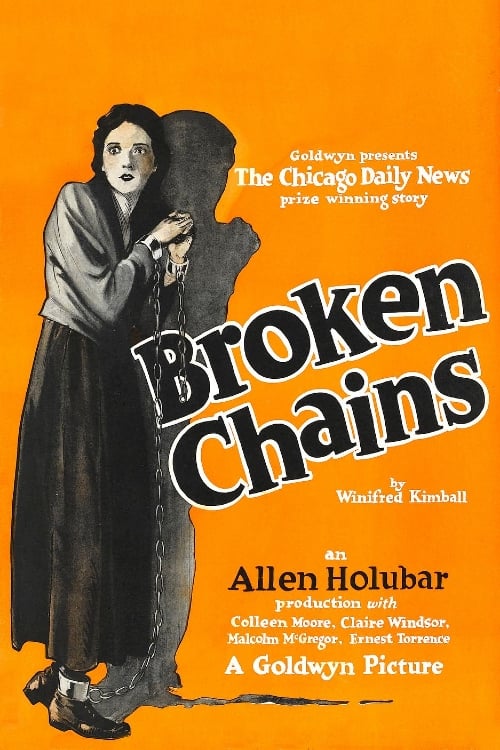
Allen Holubar
Average Rating
No ratings yetNew Showbiz Analysis
Broken Chains is a product of the early 1920s, operating within the conventional social structures of the silent era. The film's genres—adventure, drama, and romance—indicate a narrative structure that prioritizes traditional moral frameworks over progressive social commentary. Because the film adheres to the industry standards of its time, it lacks evidence of multi-layered representation or the subversion of systemic power dynamics. The absence of diverse identities or disability representation reflects the era's homogeneous production landscape.
Category Breakdown
The film does not feature any characters with non-binary gender identities or LGBTQ+ stories. It also does not challenge the idea that everyone is straight or cisgender.
Melodramas of this era often featured strong female characters. However, these women usually remained bound by traditional roles at home or dependent on romantic relationships.
The production likely reflects the predominantly white casting standards of 1922 Hollywood. There is no evidence of casts with non-white majorities or racial symbolism.
The storytelling likely follows Western-centric and moralistic traditions. Adventure and romance genres generally reinforce social stability rather than critiquing systemic issues.
There is no verified evidence of characters with visible or invisible disabilities. Their role in the narrative remains unknown.
Present on Screen
Limited or Absent
1920
1925
1921
1930

1919
1932
1924
1925
No reviews yet. Be the first to share your thoughts on this movie!
Use the rating form above to leave a star rating and optional review.