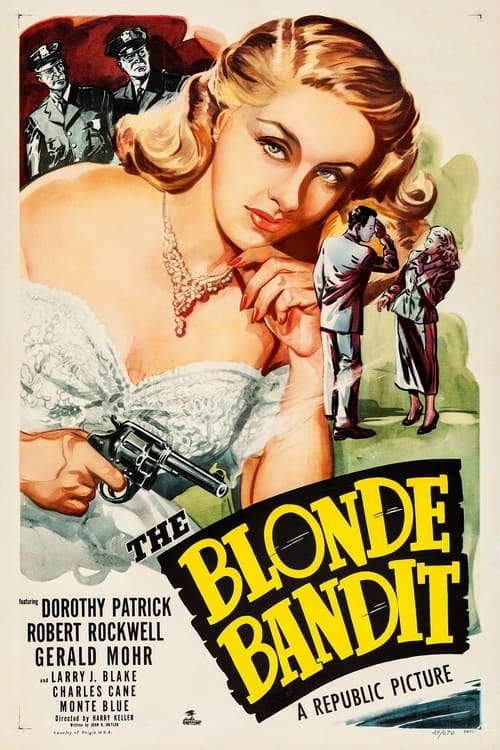
The Blonde Bandit
1949
No user ratings available yet
Representation score: 3.9 out of 10
Representation Score
Minimal
1945
PassedDirector
William Nigh
Runtime
80 minutes
Average Rating
No ratings yetNew Showbiz Analysis
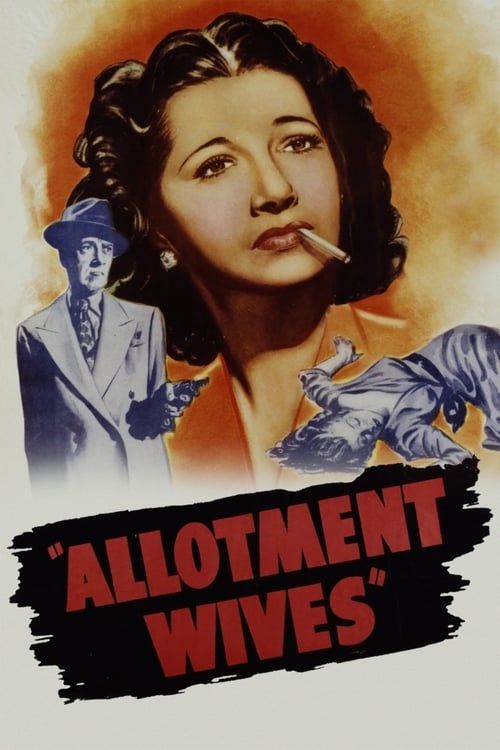
Allotment Wives is a period-specific moral drama that reinforces social hierarchies of the 1940s. The plot focuses on the exploitation of wartime social structures, using individual moral failures to uphold traditional stability. The film operates within established social and moral frameworks rather than challenging them. It serves as a critique of anti-social behavior, particularly those who deceive within the institution of marriage. Ultimately, the production lacks the intention to disrupt systemic hierarchies, instead serving as a cautionary tale that upholds the status quo of the era.
Category Breakdown
The film follows traditional structures typical of its time, with no representation of non-binary or non-cisgender identities. It does not question the conventional understanding of marriage.
Female characters play key roles but are portrayed through cautionary tales that emphasize moral lessons. Their actions are shown as exploitative, reinforcing traditional views of female virtue versus vice.
The film likely reflects the homogeneous casting norms of 1945 Hollywood. It centers on a traditional Anglo-Saxon perspective without showing diverse casting.
The story aligns with mid-century Western values regarding marriage and legality. It reinforces traditional institutions by depicting the subversion of marriage as criminal behavior.
There is no indication of characters with visible or invisible disabilities within the narrative.
Present on Screen
Limited or Absent
Official Synopsis
Unscrupulous women marry servicemen for their pay.
1949
1958
1953
1949
1953
1945
1935
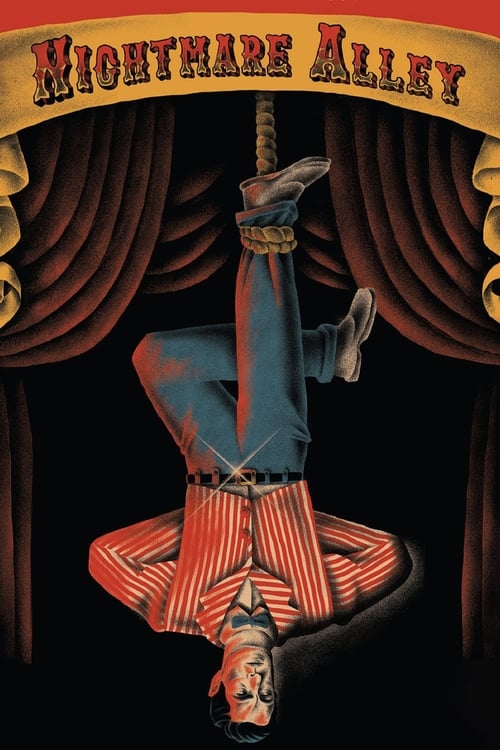
1947
No reviews yet. Be the first to share your thoughts on this movie!
Use the rating form above to leave a star rating and optional review.