
Eye of the Devil
1966
No user ratings available yet
Representation score: 0.9 out of 10
Representation Score
Fair
1969
Director
Rafael Baledón
Runtime
85 minutes
Average Rating
No ratings yetNew Showbiz Analysis
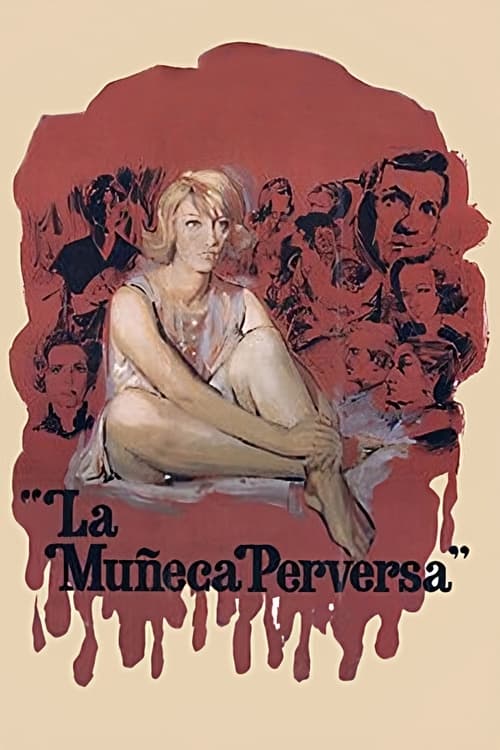
Perverse Doll stands between traditional and modern horror. Its strength lies in the central female character who drives the mystery, breaking away from typical gender roles. However, the film lacks clear information about multi-layered identities or specific cultural critiques. The narrative seems focused on psychological mystery rather than addressing broader social issues. Therefore, the absence of explicit information about racial diversity and LGBTQ+ representation prevents a higher progressive rating.
Category Breakdown
The film does not explicitly show non-binary or LGBTQ+ identities or challenge the idea that everyone is straight or cisgender. While psychological horror often explores hidden identities, this film does not confirm such themes.
A female character drives the plot as the main cause of chaos. This breaks the usual passive portrayal of women, but it’s not clear if she is shown as empowered or mad.
The film's Latin American roots challenge the typical Western focus in horror. However, the synopsis doesn't provide specific details about the cast or how different aspects of identity intersect.
The plot questions the traditional nuclear family through dark secrets. While this might critique patriarchal structures, there is no clear evidence of secular or anti-capitalist themes.
There is no mention of characters dealing with physical, neurodivergent, or mental health issues. No assessment can be made about their roles or representation.
Present on Screen
Limited or Absent
Official Synopsis
A troubled woman commits a series of murders that exposes some dark family secrets.
1966
1977
1969
1969
1979
1964
1974
1965
No reviews yet. Be the first to share your thoughts on this movie!
Use the rating form above to leave a star rating and optional review.