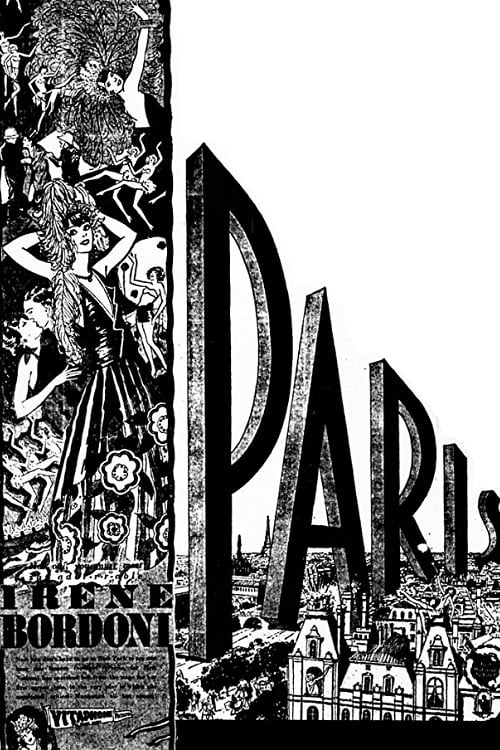
Paris
1929
No user ratings available yet
Diversity score: 2.2 out of 10
No Poster Available
1900
Director
Alice Guy-Blaché
Runtime
2 minutes
Average Rating
No ratings yetSynopsis
Columbine resists Pierrette's courting in favour of Harlequin in this hand-coloured short by Alice Guy.
Overall Score
Limited
Category Breakdown
LGBTQ+ Representation
The narrative centers on traditional romantic tension between Pierrette, Pierrot, and Harlequin. No queer subtext or non-cisnormative identities are present.
Gender Representation
Pierrette disrupts passive female archetypes by exercising active agency and playful resistance. She is an active participant in the comedy rather than a submissive recipient of attention.
Racial & Ethnic Diversity
The cast reflects the homogeneous demographic typical of early French short films. There is no evidence of racial blending or diverse casting.
Religious & Cultural Diversity
The film utilizes slapstick humor that suggests a minor departure from rigid Victorian decorum. However, it remains within the bounds of conventional entertainment.
Disability Representation
No characters with visible or invisible disabilities are identified within the narrative structure.
Strengths
Areas for Improvement
AI Analysis
Alice Guy-Blaché’s direction provides a foundational disruption of the male-dominated cinematic lineage. By centering the story on Pierrette’s agency, the film challenges the era's expectations of female submissiveness through comedic autonomy. While the work lacks intersectional complexity or explicit identity-driven narratives, it moves away from a purely male-centric gaze. The thematic scope is limited by the social realities of 1900, yet the protagonist's active role remains significant. Ultimately, the film's value lies in its early narrative architecture. It offers a subtle subversion of gender hierarchies despite a lack of racial or disability representation.
1929
1906
1928
1898
1913

1929
1930
1930

1945

1901
1920

1927
No reviews yet. Be the first to share your thoughts on this movie!
Use the rating form above to leave a star rating and optional review.