
The Belle of Broadway
1926
No user ratings available yet
Representation score: 3.7 out of 10
Representation Score
Minimal
1929
PassedDirector
Clarence G. Badger
Runtime
97 minutes
Average Rating
No ratings yetNew Showbiz Analysis
Paris is a transitional romantic musical comedy that reflects the standard social hierarchies of 1929. It adheres to conventional Hollywood narrative structures, prioritizing class friction and romantic obstacles over any meaningful social critique. The film operates within a narrow, Eurocentric framework. While it provides professional visibility for its female lead, the underlying power dynamics and character roles remain rooted in the traditional gender and class clichés of the early sound era. Ultimately, the production lacks the intentionality to disrupt the straight-centered and Western-centric ideals prevalent in early 20th-century cinema.
Category Breakdown
The film lacks any evidence of non-straight-centered identities. The plot focuses entirely on a traditional romantic pairing between a Parisian chorus girl and an American man.
Vivienne Rolland holds professional visibility as a chorus girl, yet the narrative is driven by maternal interference. Male characters occupy central, stabilizing roles within the revue and romantic resolution.
The story centers on a Eurocentric romantic ideal involving French and American characters. There is no indication of non-white casting or racial the way different parts of someone's identity overlap within the production.
The film reinforces traditional Western values and social mores of the late 1920s. Conflict stems from class snobbery and familial interference rather than any deconstruction of social institutions.
No characters with visible or invisible disabilities are identified. The narrative remains strictly focused on the musical and romantic elements of the plot.
Present on Screen
Limited or Absent
Official Synopsis
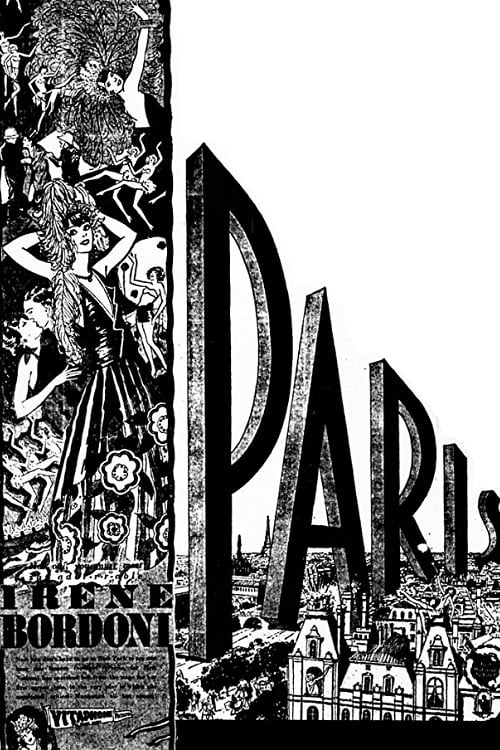
Irène Bordoni is cast as Vivienne Rolland, a Parisian chorus girl in love with Massachusetts boy Andrew Sabbot (Jason Robards Sr.) Andrew's snobbish mother Cora (Louise Closser Hale) tries to break up the romance. Jack Buchanan likewise makes his talking-picture debut as Guy Pennell, the leading man in Vivienne's revue. No film elements of Paris are known to exist, although the complete soundtrack survives on Vitaphone disks. The sound tape reels for this film survives at UCLA Film and Television Archive.
1926
1955
1940
1938
1925
1930
1929

1923
No reviews yet. Be the first to share your thoughts on this movie!
Use the rating form above to leave a star rating and optional review.