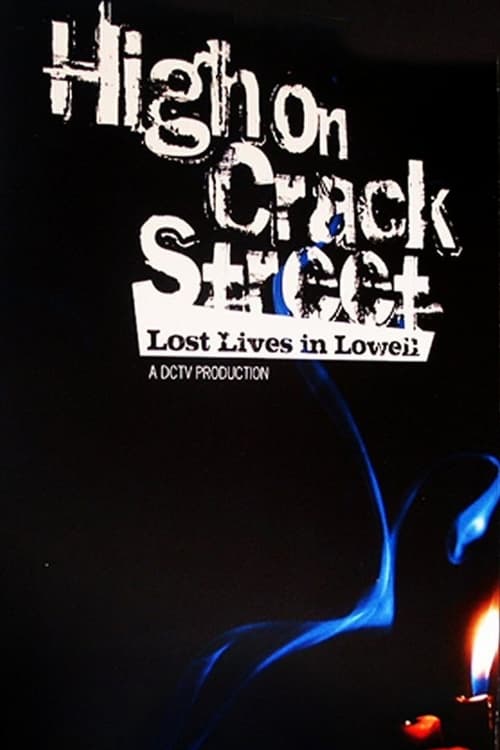
High on Crack Street: Lost Lives in Lowell
1995
No user ratings available yet
Representation score: 6.6 out of 10
Representation Score
Excellent
2000
RDirector
Steven Okazaki
Runtime
75 minutes
Average Rating
No ratings yetNew Showbiz Analysis
Steven Okazaki’s documentary offers a gritty, multi-layered look at the heroin epidemic in San Francisco. By focusing on the collision of race, queer identity, and socioeconomic status, the film moves beyond simple addiction narratives to critique systemic institutional failure. The film succeeds in its refusal to present a monolithic experience of drug use. By including diverse ethnic backgrounds and documenting the specific struggles of the LGBTQ+ community during the AIDS crisis, it provides a nuanced sociological study. While the film effectively deconstructs social hierarchies and traditional gender roles through the lens of shared vulnerability, it remains a heavy, unflinching portrait of physiological and neurological decay.
Category Breakdown
The film captures the intersection of substance abuse and queer identity within 1990s San Francisco. It avoids assumptions that everyone is straight or cisgender by showing how people with multiple aspects of diversity navigate systemic health crises like the AIDS epidemic.
Addiction levels the social playing field, rendering traditional gendered power dynamics irrelevant. The documentary presents both men and women through a lens of shared vulnerability and physical decay.
The narrative avoids a white-centric default by featuring a diverse cast of White, Black, and Asian/Hispanic subjects. This provides a multi-dimensional view of systemic neglect across various racial lines.
The film critiques traditional Western institutions, portraying medical and governmental agencies as failing structures. It prioritizes survival over social norms, examining the breakdown of the family unit.
The documentary treats physical and mental degradation with ability to act rather than as a plot device. It provides a visceral look at the neurological impairments caused by chronic substance use.
Present on Screen
Limited or Absent
Official Synopsis
The film follows a simple structure, and shows the drug-related degradation of five youths (Jake, Tracey, Jessica, Alice, Oreo) during the course of three years. The film depicts drug-related crimes and diseases: prostitution, male prostitution, AIDS, and lethal overdoses.
1995
2012

1998

2022

2015

2021
2005

2006
No reviews yet. Be the first to share your thoughts on this movie!
Use the rating form above to leave a star rating and optional review.