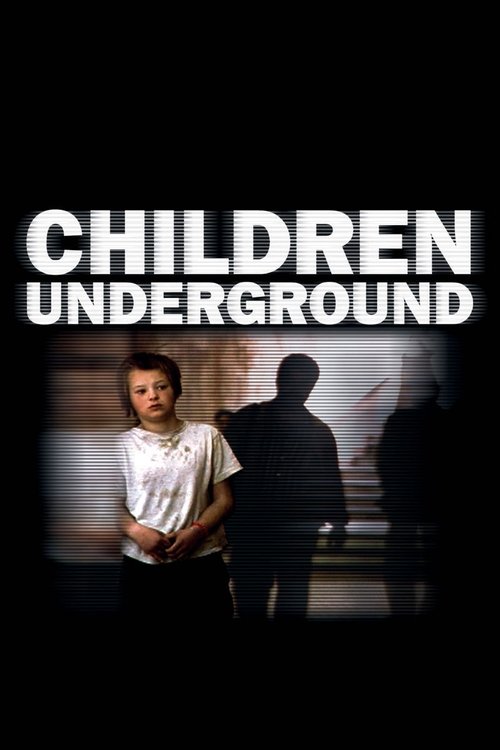
Children Underground
2001
No user ratings available yet
Representation score: 8.5 out of 10

Representation Score
Excellent
2011
Director
Maria Speth
Runtime
105 minutes
Average Rating
No ratings yetNew Showbiz Analysis
Maria Speth’s documentary offers a rigorous, observational perspective on the lives of street children in Berlin. By focusing on the subjects themselves, the film disrupts traditional hierarchies and grants a significant role in driving the story to those living on the periphery of society. The work moves beyond simple observation to provide a sophisticated critique of systemic failures within state care and economic structures. While it remains neutral on specific LGBTQ+ identities, it emphasizes the authentic representation of racial and cultural diversity.
Category Breakdown
The film maintains a neutral stance towards diverse sexual expressions by focusing on underrepresented youth, creating space for various sexual identities.
The narrative challenges traditional gender roles by highlighting children facing trauma and addiction. It documents the harsh realities of survival without idealizing childhood.
The film captures a range of racial and ethnic backgrounds among Berlin's urban underclass, emphasizing authentic diversity over curated representations.
The documentary highlights the subjects' individual ability to act and resilience, critiquing the failures of Western social institutions.
The film prominently features physical and psychological trauma, treating addiction and injury as central to the subjects' identities.
Present on Screen
Limited or Absent
Official Synopsis
Several street children in Berlin talk about their daily life, referring not only to drug addiction and physical/traumatic injuries, but also to their talents and dreams.
2001

2000

1984

2010
2005
2004
1975

2013
No reviews yet. Be the first to share your thoughts on this movie!
Use the rating form above to leave a star rating and optional review.