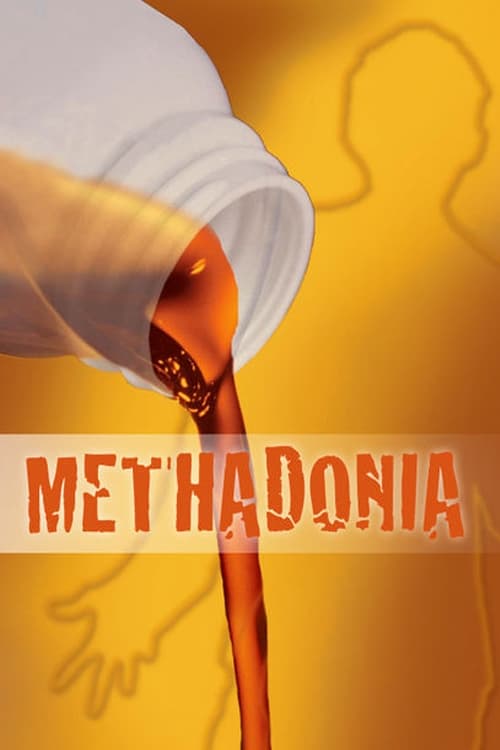
Methadonia
2005
No user ratings available yet
Diversity score: 6.6 out of 10

1972
NRDirector
William Templeton
Runtime
22 minutes
Average Rating
No ratings yetSynopsis
The life of man is poor and nasty. A few plants give temporary relief: marijuana, alcohol, and opium. After a history of opium, including the 19th-century Opium Wars, we learn of the discovery of heroin; the rest of the film examines heroin trade and addiction in the U.S. Two tons a year enter the U.S., with only 100 pounds interdicted. Most is used in New York City. Interviews with customs officials, prosecutors, medical doctors and junkies provide points of view. The harsh 1956 law and the medically-oriented law of 1966 are contrasted, with the film on the side of treatment and rehabilitation. It ends with advocating reducing use here and finding other cash crops for farmers abroad.
Overall Score
Good
Category Breakdown
LGBTQ+ Representation
The film lacks explicit mention of LGBTQ+ characters or narratives. It focuses primarily on the socio-economic and medical dimensions of addiction.
Gender Representation
The documentary utilizes a multi-perspective approach by interviewing various professionals and those impacted by addiction. This suggests a move toward a nuanced, medicalized understanding of social crises.
Racial & Ethnic Diversity
The narrative connects domestic addiction to global systemic issues, such as the Opium Wars. It engages with post-colonial themes by addressing the economic pressures faced by farmers abroad.
Religious & Cultural Diversity
The film critiques punitive laws in favor of a secular, medical framework. It prioritizes rehabilitation and systemic reform over traditional religious condemnation or moralism.
Disability Representation
By centering the perspectives of those experiencing addiction, the film treats dependency as a complex health reality. This avoids the common practice of social ostracization.
Strengths
Areas for Improvement
AI Analysis
The film distinguishes itself from 1970s era tropes by replacing moralistic judgment with systemic analysis. It successfully connects individual addiction to global economic structures and post-colonial history. While the documentary provides agency to those with neurological dependencies, it remains limited in its explicit representation of gender and LGBTQ+ identities. The focus is heavily weighted toward sociological and medical perspectives. Ultimately, the work functions as a sophisticated critique of state authority and capitalist enforcement mechanisms, favoring humanitarian reform over traditional social control.
2005

2018

2007

1984
2014

2021

2018

2000
2002

2011
1995

2010
No reviews yet. Be the first to share your thoughts on this movie!
Use the rating form above to leave a star rating and optional review.