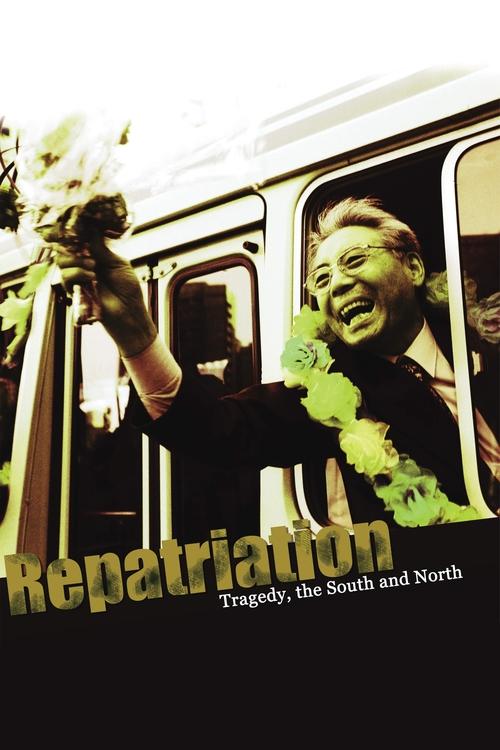
Repatriation
2004
No user ratings available yet
Representation score: 8.1 out of 10
Representation Score
Fair
2010
15Director
Hong Hyung-sook
Runtime
104 minutes
Average Rating
No ratings yetNew Showbiz Analysis
The film excels as a piece of sociopolitical critique, moving away from Western-centric perspectives to examine the friction within South Korean society. By focusing on the diaspora and the machinery of state persecution, it offers a nuanced look at how nationalistic dogma affects individuals. However, the documentary's scope is heavily concentrated on political and academic identity, leaving little room for the exploration of queer identities or disability representation. This narrow focus makes the narrative feel somewhat specialized in its demographic reach. Ultimately, the work's strength lies in its refusal to provide easy answers, instead using uncomfortable truths to challenge the viewer's perception of justice and state power.
Category Breakdown
The film focuses on political tensions between conservative and progressive factions. There are no explicit mentions of LGBTQ+ characters or narratives centered around non-cisgender identities.
The narrative centers on the political journey of Song Du-yul. It remains unclear whether the film challenges or reinforces traditional gender hierarchies within its examination of state institutions.
The film centers on the South Korean sociopolitical landscape and the complexities of the Korean diaspora. It disrupts Western-centric historical narratives by exploring internal nationalistic tensions.
The film critiques traditional political structures by examining the persecution of a figure labeled a spy. It prioritizes a critique of state power and systemic oppression.
There is no documented evidence regarding the portrayal of physical or neurodivergent disabilities in this work.
Present on Screen
Limited or Absent
Official Synopsis
In 2003 Song Du-yul, a philosophy professor, decides to go back to his homeland after spending thirty-seven years in Germany. Within a week after crossing the border, his reputation falls from a respected global political figure to an infamous communist spy. During a five-year-long trial, he was arrested and held in custody. This throws Korean society into turmoil and brings a big conflict between the Conservative and the Progressive parties. The filmmaker calmly contemplates this long period of the incident in detail and depicts a society with an indifferent manner. The story builds through an accretion of whimsical facts and it sometimes brings up uncomfortable truths which will irritate viewers. This film is a camera inside of us that evokes what viewers may have tried to forget.
2004
2015
2005

2011

2012
2020

2006

2008
No reviews yet. Be the first to share your thoughts on this movie!
Use the rating form above to leave a star rating and optional review.