The Phantom of Crestwood
1932
No user ratings available yet
Diversity score: 1.4 out of 10
1947
NRDirector
William Clemens
Runtime
65 minutes
Average Rating
No ratings yetSynopsis
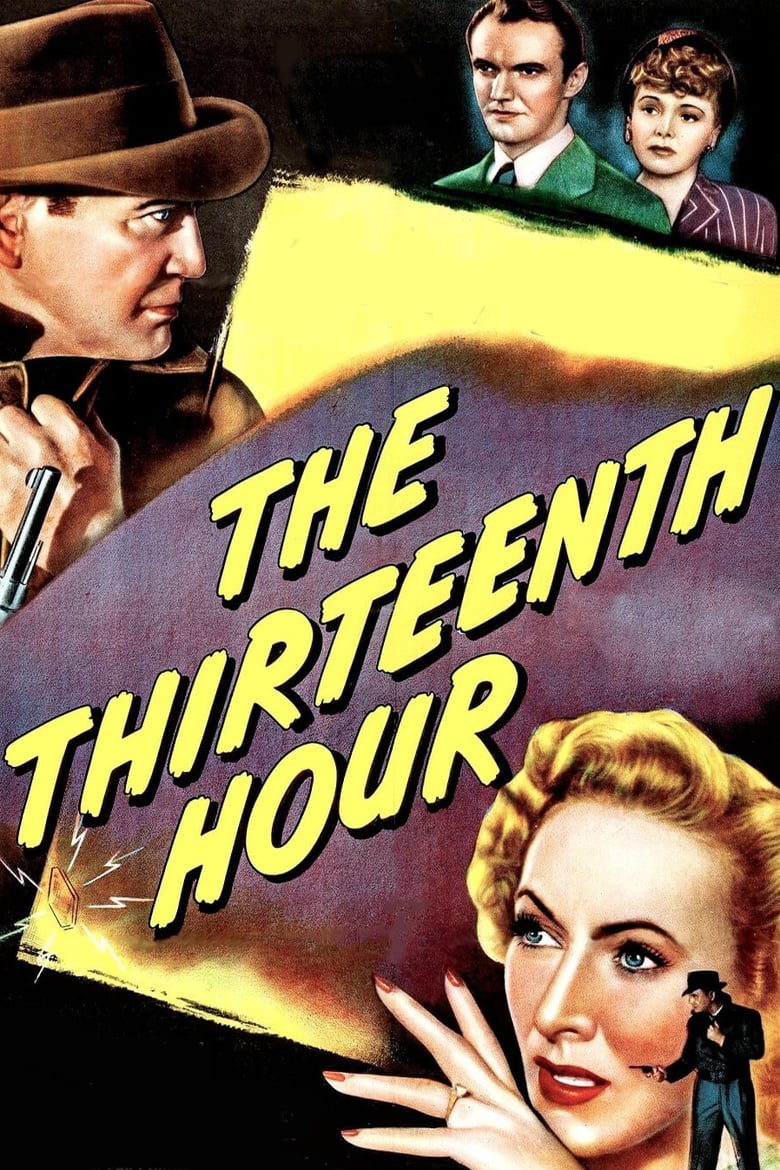
In this drama, a trucker's business is nearly destroyed after he is wrongfully accused of killing a policeman with whom he recently quarreled.
Overall Score
Minimal
Category Breakdown
LGBTQ+ Representation
The film shows no evidence of non-heteronormative identities. It operates strictly within the traditional social constraints of 1947.
Gender Representation
The narrative likely centers on traditional masculine archetypes like the trucker and policeman. There is no indication of female agency or the subversion of gender hierarchies.
Racial & Ethnic Diversity
The production reflects the homogeneous demographic norms of the era. There is no evidence of a non-Anglo-Saxon majority cast.
Religious & Cultural Diversity
The plot focuses on an individual's struggle against wrongful accusation. It reinforces institutional authority rather than exploring secularism or anti-capitalist themes.
Disability Representation
There is no information regarding the inclusion of characters with physical or neurodivergent disabilities.
Strengths
Areas for Improvement
AI Analysis
The Thirteenth Hour is a standard mid-century crime drama that adheres to the industrial norms of its era. The story focuses on a singular conflict involving a trucker wrongfully accused of killing a policeman, prioritizing individual culpability over social critique. Because the film follows a conventional genre structure, it lacks the intentionality needed to disrupt social hierarchies. The narrative architecture is built around established tropes of crime and accusation rather than intersectional identity. Ultimately, the film serves as a period piece that reflects the era's emphasis on individual morality and traditional social structures.
1932

1945
1942
1946
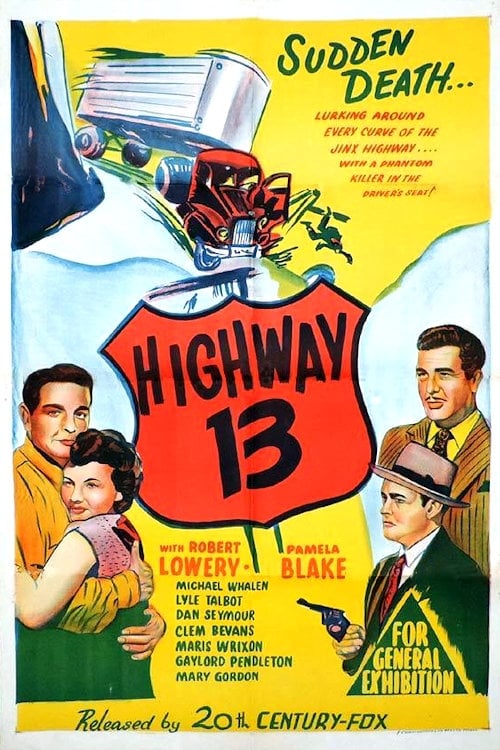
1948
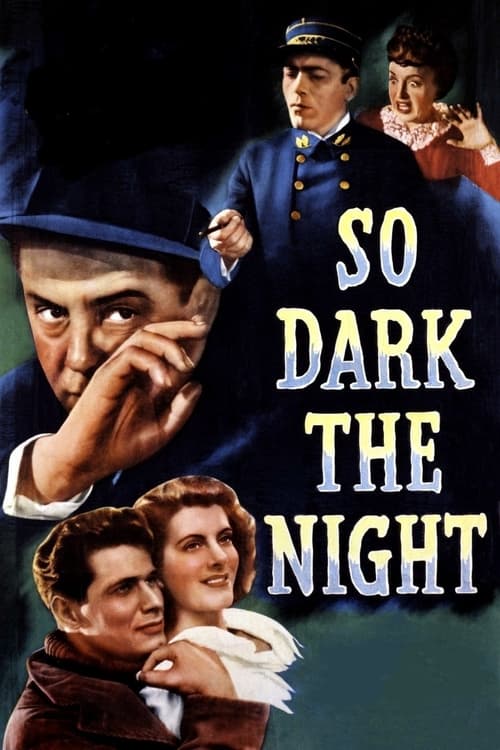
1946
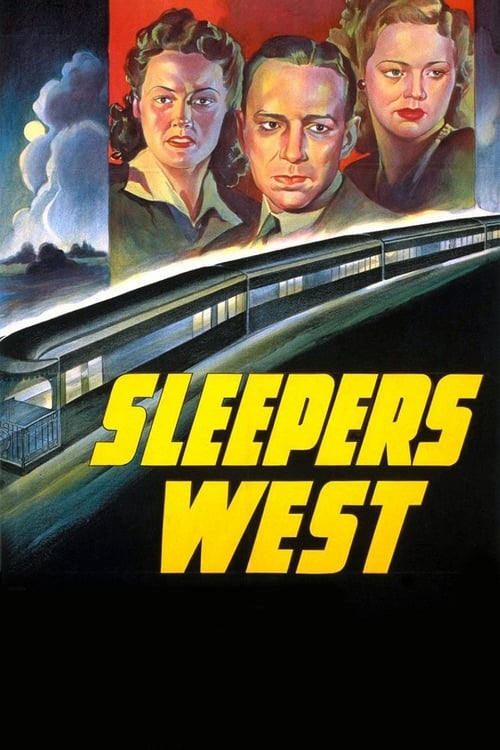
1941
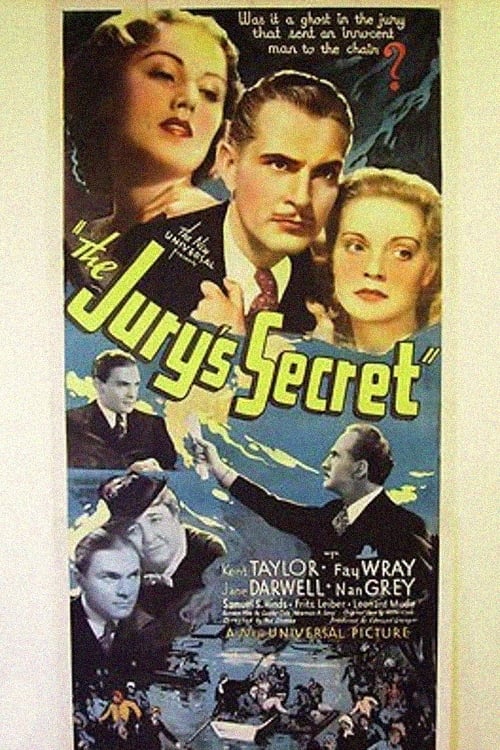
1938

1939
1945
1945
1946
No reviews yet. Be the first to share your thoughts on this movie!
Use the rating form above to leave a star rating and optional review.