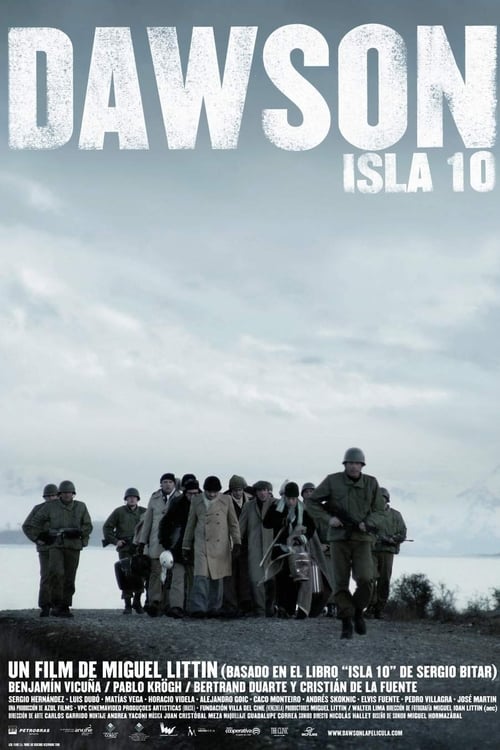
Dawson Isla 10
2009
No user ratings available yet
Diversity score: 6.0 out of 10
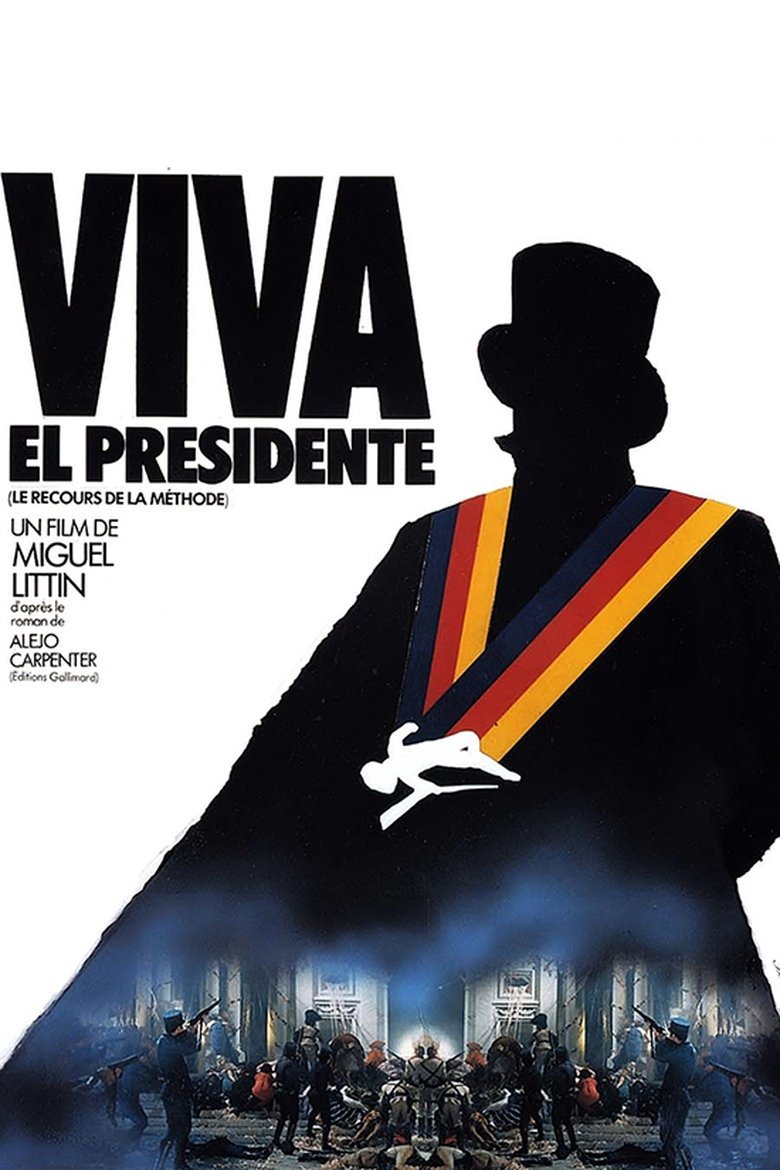
1978
Director
Miguel Littín
Runtime
164 minutes
Average Rating
No ratings yetSynopsis
Set in the early 1900s, this film charts the rule of a Latin American dictator as he moves from being a charming despot to a tyrannical ruler before he is finally ousted, only to die in obscurity in Paris. Early in his regime, the resources and agricultural products his country sells command high prices, and he is a reasonably confident, even gentle, ruler who likes to take long vacations with his daughter in Paris. After World War I, with falling prices and a number of coup attempts behind him, his rule becomes quite cruel.
Overall Score
Good
Category Breakdown
LGBTQ+ Representation
The film focuses on macro-political shifts and the dictator's personal descent. While it lacks explicit depictions of queer identities, the subtextual exploration of identity and the masks worn by those in power adds complexity.
Gender Representation
The narrative centers on a male dictator and his daughter. While the daughter provides a tether to his humanity, she remains largely a passenger to the central political arc rather than an agent of change.
Racial & Ethnic Diversity
As a work of Third Cinema, the film prioritizes a Latin American perspective. It disrupts Eurocentric hegemony by centering the socio-political struggles and lived experiences of the region.
Religious & Cultural Diversity
The film offers a sophisticated anti-capitalist critique, showing how global market fluctuations catalyze domestic tyranny. It challenges traditional moralities by exploring the ethical compromises required for political survival.
Disability Representation
There are no prominent depictions of physical or neurodivergent disabilities that serve as central narrative drivers in this work.
Strengths
Areas for Improvement
AI Analysis
Miguel Littín’s film is a powerful deconstruction of Latin American autocracy, moving beyond simple biography to examine how systemic oppression erodes individual morality. It succeeds most by challenging Western-centric historical narratives and centering regional struggles. The film's strength lies in its intellectual depth, particularly regarding the intersection of global capitalism and domestic tyranny. It avoids a sanitized history, opting instead for a complex look at the 'method' of political survival. However, the film remains limited in its representation of gender and LGBTQ+ identities. The narrative is heavily driven by male-centric political arcs, leaving female characters in secondary, domestic roles.
2009

1996

2014

1993
1975

1993

2019
2017

2017

1972
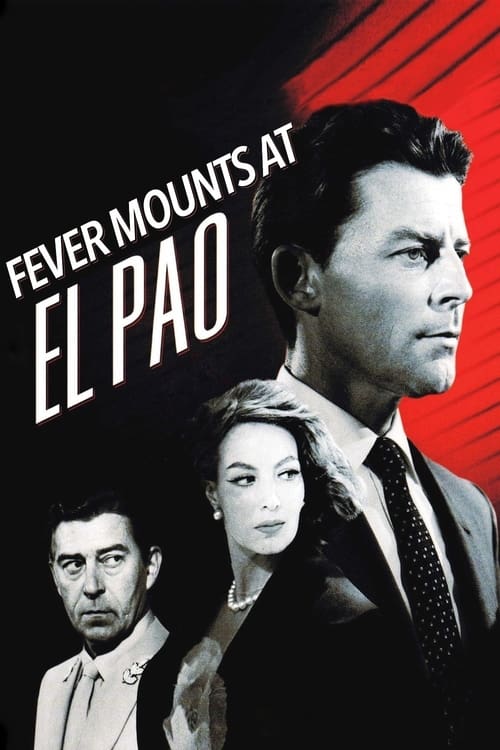
1959

2010
No reviews yet. Be the first to share your thoughts on this movie!
Use the rating form above to leave a star rating and optional review.