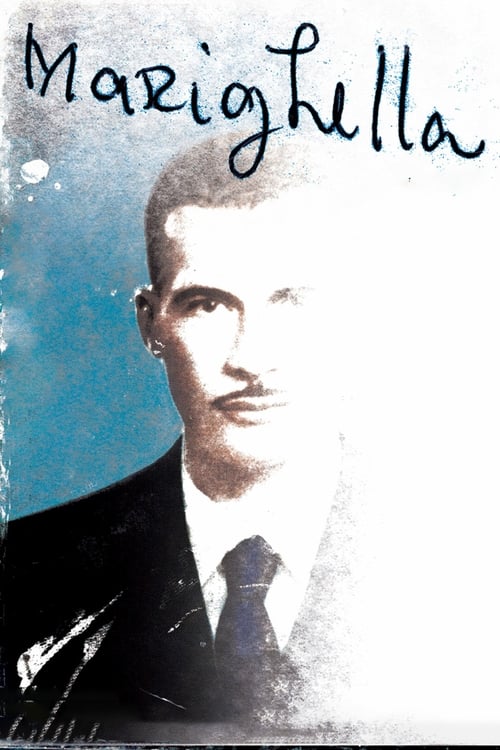
Marighella
2012
No user ratings available yet
Representation score: 6.4 out of 10

Representation Score
Minimal
1997
Director
Toni Venturi
Runtime
104 minutes
Average Rating
No ratings yetNew Showbiz Analysis
The documentary serves as a specialized historical record of ideological resistance rather than a broad study of diverse identities. It achieves high marks for its cultural critique of power structures and capitalism, providing a deep look at systemic friction in Brazil. However, the film's score is heavily polarized. It lacks representation in LGBTQ+ and disability categories, and its gender portrayal is limited by the male-dominated historical context of the military and revolutionary movements it depicts.
Category Breakdown
The documentary focuses solely on the political biography of Luiz Carlos Prestes and the Communist Party of Brazil. It does not include any themes related to LGBTQ+ identities or non-cisgender identities.
The film portrays a mid-20th-century political landscape dominated by men. It centers on masculine spheres of military leadership and partisan politics with little challenge to traditional gender roles.
Archival footage captures the ethnic diversity of the Brazilian population and working-class struggles. However, the film prioritizes ideological biography over exploring the overlapping aspects of racial identity.
The film excels in its anti-capitalist critique and exploration of class struggle. It challenges Western capitalist institutions by chronicling the life of a prominent communist leader.
There is no evidence of individuals with physical or neurodivergent disabilities being included as central or meaningful narrative elements.
Present on Screen
Limited or Absent
Official Synopsis
Chronicles the life of military lieutenant, later communist militant and Brazilian politician Luiz Carlos Prestes.
2012
2017

2019
1935
1984
2004
2016
1994
No reviews yet. Be the first to share your thoughts on this movie!
Use the rating form above to leave a star rating and optional review.