
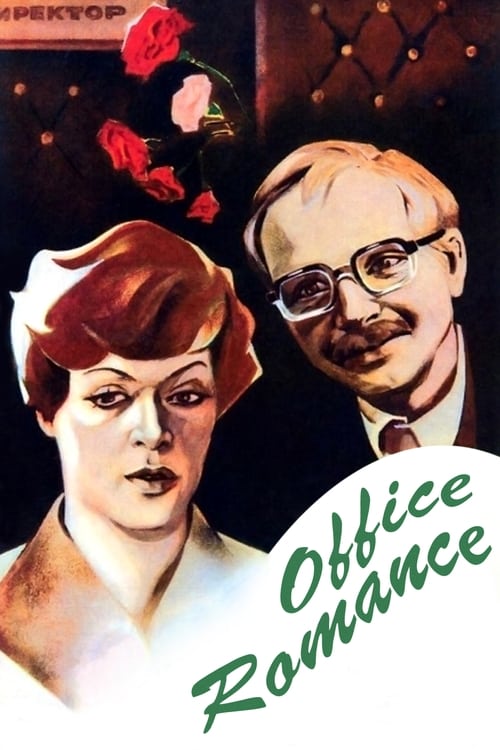
Office Romance. Our time
2011
No user ratings available yet
Representation score: 3.3 out of 10
Representation Score
Good
1977
Not RatedDirector
Eldar Ryazanov
Runtime
159 minutes
Average Rating
No ratings yetNew Showbiz Analysis
Office Romance succeeds as a nuanced character study that disrupts traditional gendered power dynamics. By placing a formidable woman in a position of systemic authority, the film challenges the era's standard romantic clichés and masculine leadership models. However, the film remains limited by its historical context. It lacks modern diversity, presenting a homogeneous cast and a strictly straight-centered romantic structure that reflects the social mores of the 1970s Soviet era. Ultimately, the film's strength lies in its psychological depth and its critique of systemic professional pressures, even if it does not address broader themes of racial or LGBTQ+ diversity.
Category Breakdown
The film adheres to a traditional framework where everyone is assumed to be straight. The plot revolves around the romantic relationship between the male and female leads, with no queer subtext present.
The narrative centers on a high-status, professionally dominant woman rather than a domestic ideal. The male lead's social passivity shifts away from traditional provider roles, giving systemic power to the female lead.
The cast is predominantly homogeneous, reflecting the demographics of a 1970s Moscow office. It lacks the diverse representation found in more contemporary global productions.
The story critiques individualistic competition by focusing on the collective workplace environment. It portrays professional pressures as systemic rather than inherent personal flaws.
No characters with visible or invisible disabilities drive the plot. Psychological vulnerabilities like social anxiety are treated as standard character traits rather than explorations of disability.
Present on Screen
Limited or Absent
Official Synopsis
Anatoly Novoseltsev is a mousy single father and office stumblebum working at a statistics bureau in Moscow. In the hopes of being promoted, he is coaxed into charming his disagreeable and seemingly unfeeling boss, Ludmila Kalugina, or "Meany" as she's otherwise known by her subordinates. Helped by his colleagues Olya and Yura, Anatoly attempts to ease the yoke of Ms. Kalugina, and what follows in the wake of his graceless manoeuvres is completely unforeseen, as he awakens a side to her not yet known, even to herself..
2011

1962
1985
1976
1959
1983
1996
1991
No reviews yet. Be the first to share your thoughts on this movie!
Use the rating form above to leave a star rating and optional review.