Fuss of the Fusses
1979
No user ratings available yet
Representation score: 4.6 out of 10
Representation Score
Fair
1981
Director
Alla Surikova
Runtime
87 minutes
Average Rating
No ratings yetNew Showbiz Analysis
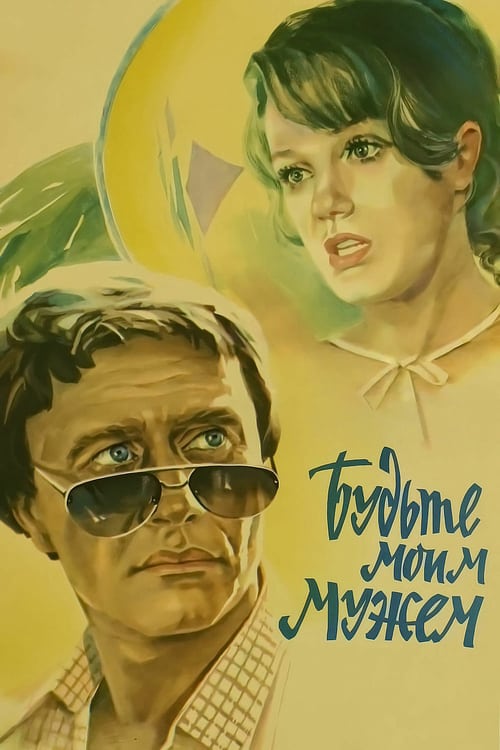
Be My Husband is a character-driven comedy that finds its strength in subverting traditional gender roles. By making the female protagonist the architect of the central deception, the film avoids the cliché of the helpless woman. Natasha’s tactical maneuvering to secure housing for her son provides a pragmatic, self-driven narrative. However, the film lacks depth in representing multiple aspects of identity. It operates within a very narrow demographic scope, offering little in the way of racial or LGBTQ+ diversity. The setting feels localized to a specific, homogeneous social context typical of its era. Ultimately, the film succeeds as a study of social navigation and maternal survival, even if it remains limited in its broader representation of human identity.
Category Breakdown
The story focuses on a heterosexual relationship between Natasha and Viktor. There are no representations of LGBTQ+ identities or non-cisgender narratives within the plot.
Natasha is the main driver of the plot, using her intelligence to orchestrate a deception. She shifts the focus away from the male lead by recruiting him into her plan.
The film reflects the demographic homogeneity common in Soviet-era domestic comedies. It lacks a multi-ethnic cast or intentional representation of diverse racial identities.
The narrative critiques institutional rigidity by showing characters bypass restrictive social rules for survival. It explores situational ethics and the tension between individual needs and social infrastructure.
No visible or invisible disabilities are central to the character arcs or the development of the plot.
Present on Screen
Limited or Absent
Official Synopsis
Natasha, a woman struggling to find housing in a crowded resort town with her young son. She forces a stranger, Viktor, to pretend to be her husband to secure accommodation that bans children, leading to unexpected romantic developments.
1979
1962
1997
1984
1977
1991
1982
1978
No reviews yet. Be the first to share your thoughts on this movie!
Use the rating form above to leave a star rating and optional review.