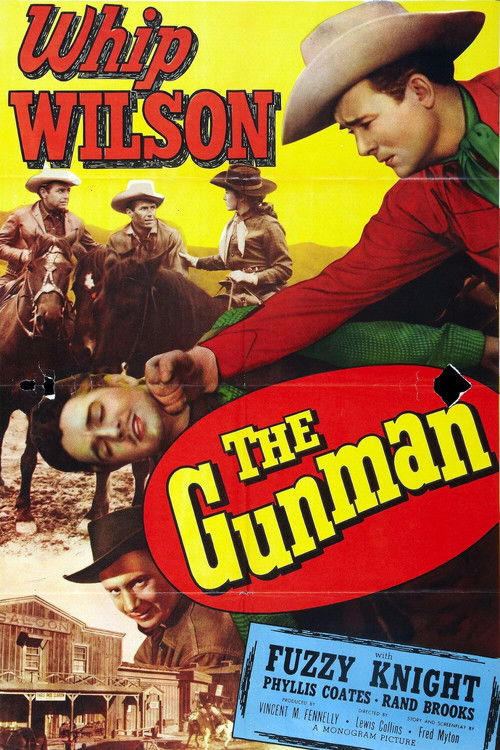
The Gunman
1952
No user ratings available yet
Representation score: 1.3 out of 10
Representation Score
Limited
1965
Director
Primo Zeglio
Runtime
91 minutes
Average Rating
No ratings yetNew Showbiz Analysis
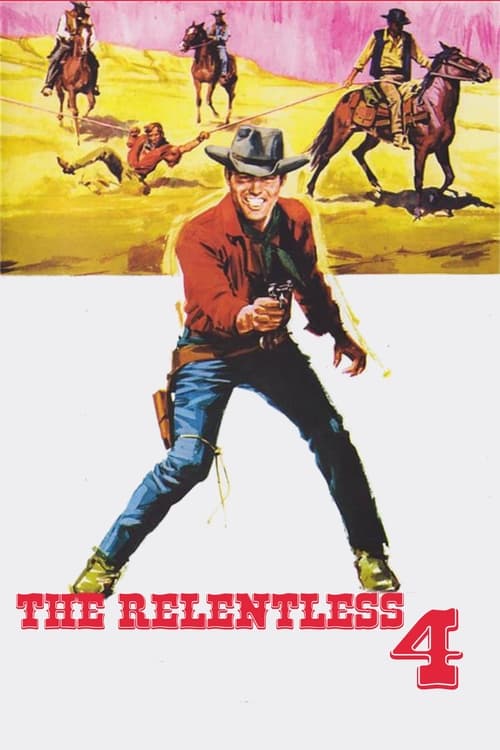
The Relentless Four is a conventional 1965 Western that operates within the established social and narrative hierarchies of its time. The story centers on a lawman facing a lynch mob, a setup that relies heavily on traditional masculine archetypes of authority and communal conflict. Since the film adheres to mid-century genre conventions, it lacks intentionality regarding the way different parts of someone's identity overlap. It reinforces standard Western clichés rather than attempting to disrupt them through diverse casting or subversive themes. Ultimately, the production reflects the demographic and social norms of the era, offering little representation for underrepresented groups or non-traditional identities.
Category Breakdown
The film does not include any LGBTQ+ characters or narratives. It follows traditional gender and orientation frameworks typical of 1965 Western cinema.
Narrative ability to act is centered around male archetypes such as the lawman. There is no evidence of subverted gender roles or diverse portrayals of masculinity.
The film adheres to conventional demographic standards of mid-century Westerns. It lacks characters of color who play a significant role in driving the story or race-bent casting.
The plot focuses on traditional concepts of justice and communal morality. It lacks anti-Western, anti-capitalist, or secularist themes.
There is no evidence of characters with disabilities having a significant role in driving the story. Such roles were rarely central to the genre during this era.
Present on Screen
Limited or Absent
Official Synopsis
Terrorized townsfolk turn into a lynch mob and target a lawman.
1952
1967
1969
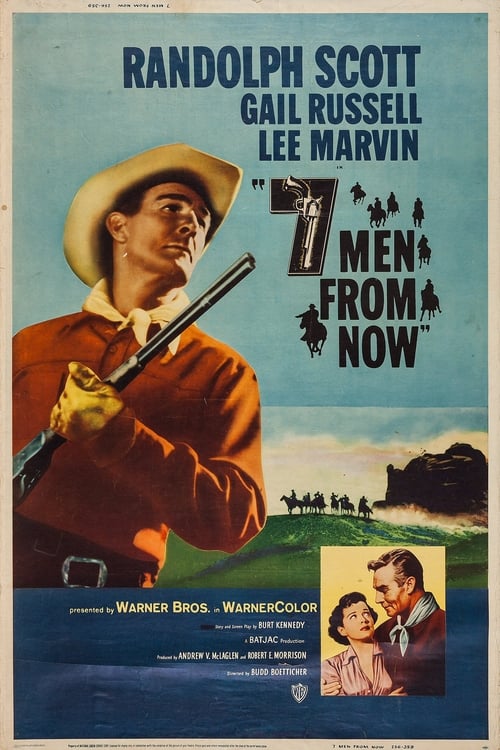
1956

1955
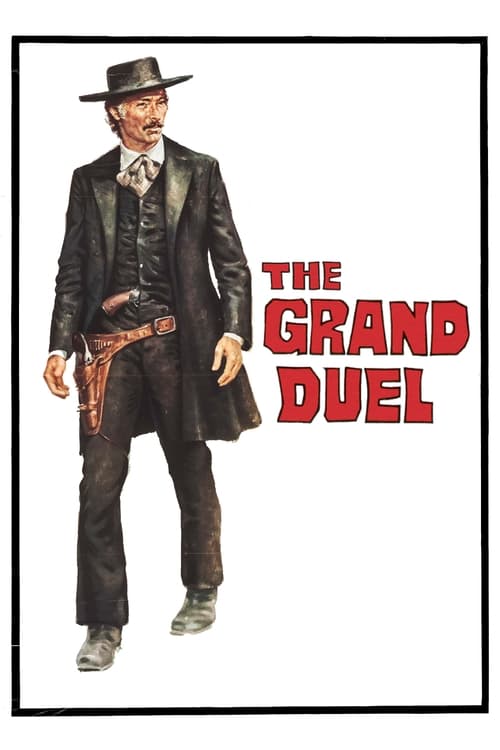
1972
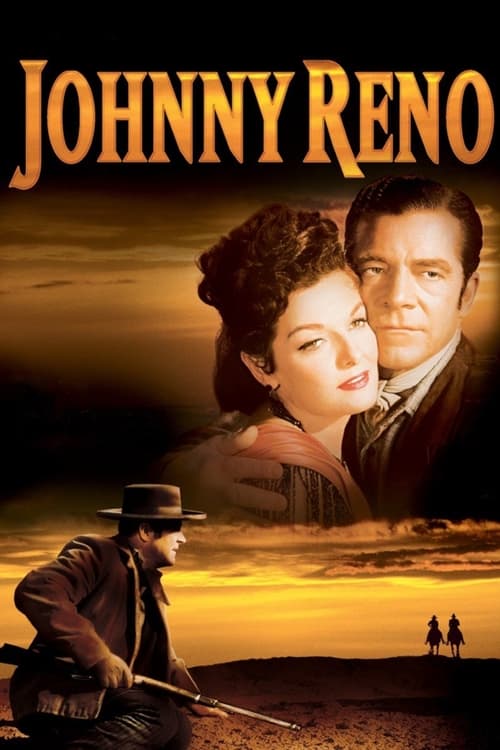
1966
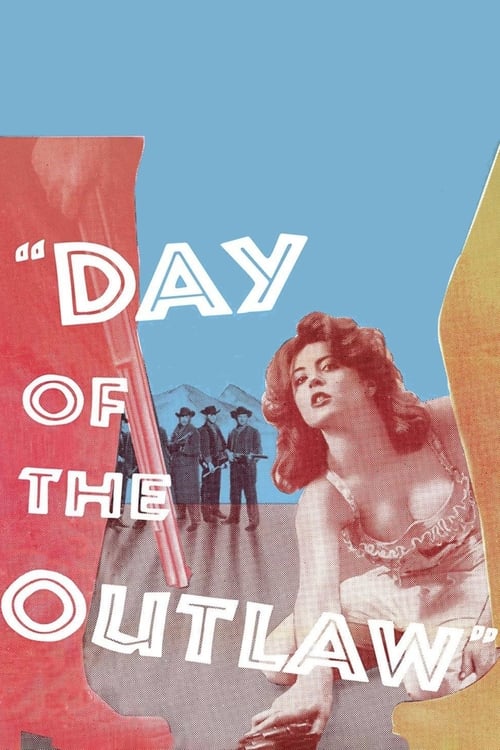
1959
No reviews yet. Be the first to share your thoughts on this movie!
Use the rating form above to leave a star rating and optional review.