
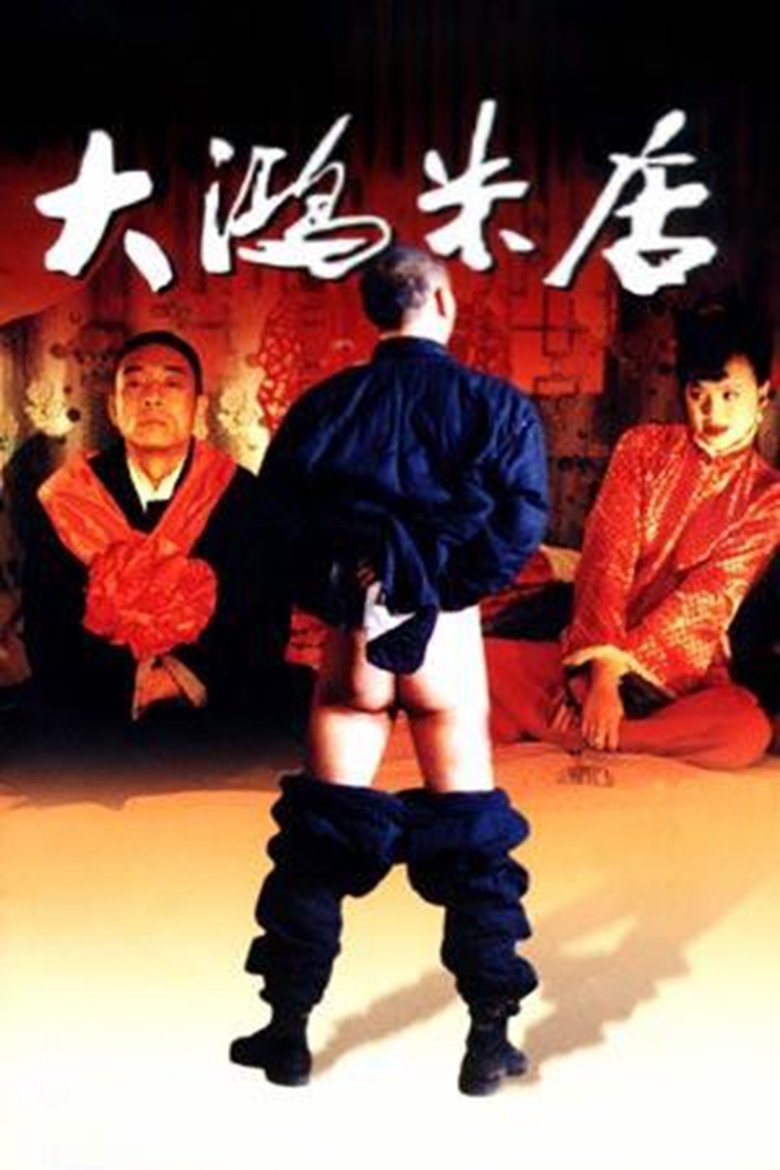
Rice People
1994
No user ratings available yet
Diversity score: 6.4 out of 10
1995
Director
Huang Jian-Zhong
Runtime
110 minutes
Average Rating
No ratings yetSynopsis
Shot in 1995, but banned until 2004, this is an adaptation of Su Tong's novel about a shrewd amoral country boy who arrives in the big city in the 1930s and works at a rice emporium.. Initially pushed around, he learns the ropes in his new environment quickly, eventually climbing to the position of boss by marrying the daughter of the house.
Overall Score
Fair
Category Breakdown
LGBTQ+ Representation
The film lacks LGBTQ+ characters or narratives exploring non-heteronormative identities. The plot centers on a traditional marriage used for economic advancement, adhering to conventional social structures.
Gender Representation
Power is negotiated through patriarchal structures. The female lead serves as a functional catalyst for the protagonist's mobility rather than an agentic character with her own autonomy.
Racial & Ethnic Diversity
Set in 1930s China, the film offers a non-Western perspective. It focuses on internal class dynamics and Chinese social stratification within a relatively homogeneous ethnic framework.
Religious & Cultural Diversity
The narrative critiques traditional social stability through a protagonist driven by pragmatic, ruthless ambition. It explores moral relativism as characters navigate a shifting economic landscape.
Disability Representation
There is no documented evidence regarding the portrayal of physical or neurodivergent disabilities in this work.
Strengths
Areas for Improvement
AI Analysis
Rice is a period drama that excels in providing a non-Western historical perspective, focusing on the complex class stratifications of 1930s China. It offers a sophisticated critique of morality and social order through its amoral protagonist. However, the film lacks intersectional depth. The narrative relies on traditional patriarchal structures, where female characters function primarily as tools for male advancement. The absence of LGBTQ+ representation and disability narratives limits its diversity profile. Ultimately, the film is a culturally rich study of social mobility that remains tethered to conventional gender and identity norms.
1994
2001

2002

1983

2012
1987

2002

1934

1959
2005

1957
2006
No reviews yet. Be the first to share your thoughts on this movie!
Use the rating form above to leave a star rating and optional review.