
I'll Love You Forever... Tonight
1992
No user ratings available yet
Representation score: 5.3 out of 10
Representation Score
Good
1997
Not RatedDirector
Richard Natale
Runtime
87 minutes
Average Rating
No ratings yetNew Showbiz Analysis
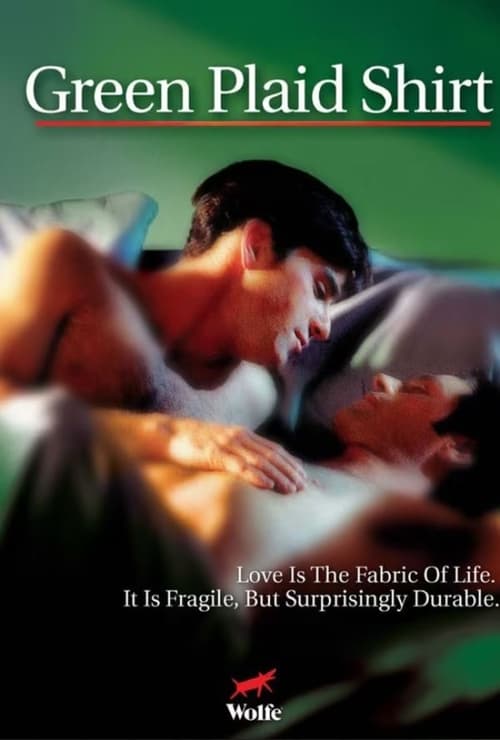
Green Plaid Shirt stands as a significant piece of period-specific queer cinema. It goes beyond shallowly inclusive representation to highlight identity and community survival as central themes, capturing a specific historical moment. The film's strength lies in its ability to challenge traditional norms by focusing on the evolution of queer relationships from 1978 to the start of the AIDS crisis. It offers a detailed look at how social codes and intimacy operate within this community. While the film deeply engages with queer identity, it remains focused on male-centric social structures. The absence of information about racial diversity and specific disability representation limits a broader assessment of its inclusivity.
Category Breakdown
The film focuses on the experiences of five gay friends during the early days of the AIDS crisis. It delves into non-traditional forms of intimacy and social bonds, offering a nuanced portrayal of community resilience.
The story centers around male friendships and challenges traditional masculine roles. It highlights emotional vulnerability and queer intimacy as key elements of the narrative.
There is no specific mention of the racial or ethnic makeup of the cast, so the racial and ethnic diversity of the film cannot be determined.
The film questions traditional family structures by depicting communal living and open relationships. It examines how established institutions failed to support underrepresented communities during the AIDS crisis.
The film addresses the physical toll of the AIDS epidemic but does not provide clear evidence of characters with disabilities taking a leading role in the story.
Present on Screen
Limited or Absent
Official Synopsis
This endearing drama depicts the lives of five gay friends — in conflict with themselves and each other — at the dawn of the AIDS era. Back in 1978 everything seemed possible. For Phillip and Guy, there was the thrill and exhilaration of first love. For their friends Devon, Jerry and Todd, life was still an open book with so many pages yet to be filled. Ten years later, his friends are all gone and Phillip is left alone to make sense of the joys and sorrows of his past life — as he looks hopefully to the future. The lives of two ordinary men who find love together only to lose it. In an era of easy sex and open relationships they have only two rules: Don't fall in love with others and no jealousy. Still rules are made to be broken. Eventually a single act of forgiveness restores their love.
1992
1970
2016
1987

1997
2012
1989
2019
No reviews yet. Be the first to share your thoughts on this movie!
Use the rating form above to leave a star rating and optional review.