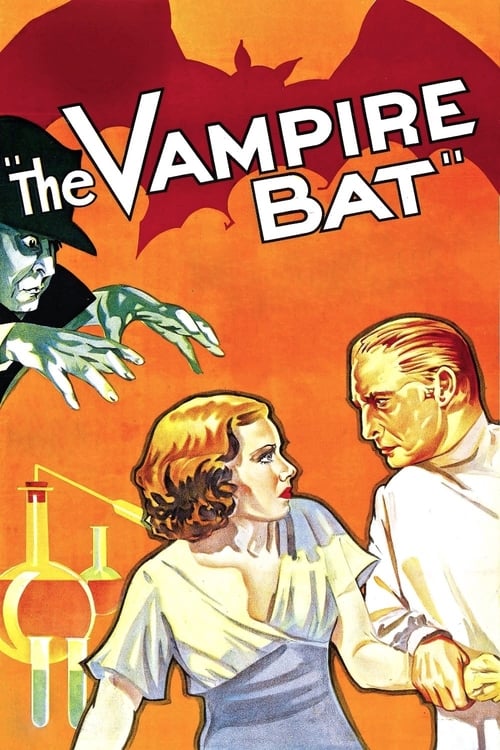
The Vampire Bat
1933
No user ratings available yet
Diversity score: 1.7 out of 10
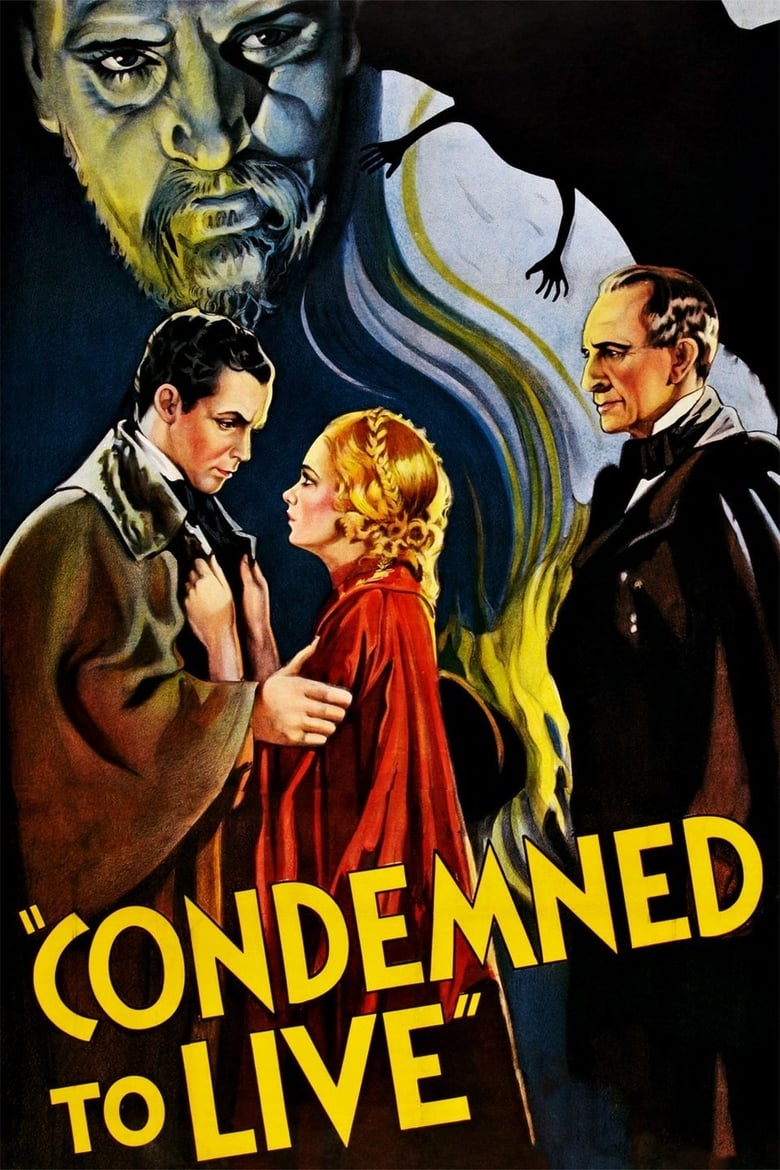
1935
Director
Frank R. Strayer
Runtime
67 minutes
Average Rating
No ratings yetSynopsis
After a series of murders, a man finds out that his mother was bitten by a vampire bat during her pregnancy, and he believes that he may be the vampire committing the murders.
Overall Score
Limited
Category Breakdown
LGBTQ+ Representation
The film lacks any evidence of non-heteronormative identities or same-sex intimacy. It follows a standard dramatic structure typical of the mid-1930s.
Gender Representation
While the mother's pregnancy drives the plot, the narrative focuses on the male protagonist's internal struggle. Women do not appear to hold roles of high agency.
Racial & Ethnic Diversity
The film likely adheres to the homogeneous casting norms of 1935. The narrative architecture suggests a Western-centric focus with little evidence of intersectional representation.
Religious & Cultural Diversity
The story utilizes a traditional horror framework centered on fate and biological legacy. It lacks themes that challenge Western or secularist norms.
Disability Representation
Vampirism serves as a supernatural metaphor for mental instability or otherness. These depictions often function as cautionary tales rather than nuanced explorations of neurodivergence.
Strengths
Areas for Improvement
AI Analysis
Condemned to Live is a product of its era, functioning within the rigid genre constraints of 1930s B-movie horror. The narrative relies heavily on biological determinism and the 'monstrous progeny' trope, which reinforces ideas of inherent criminality rather than challenging social hierarchies. The film's focus is primarily on individual psychological torment and the inevitability of fate. This narrow scope prevents the exploration of diverse identities or systemic power dynamics, resulting in a story that mirrors the conventional social expectations of its time. Ultimately, the work lacks the intentionality required to disrupt traditional cinematic hierarchies. It remains a formulaic Gothic tale that prioritizes supernatural tropes over meaningful representation.
1933
1946

1998
1990
1990
1946
1971
2003
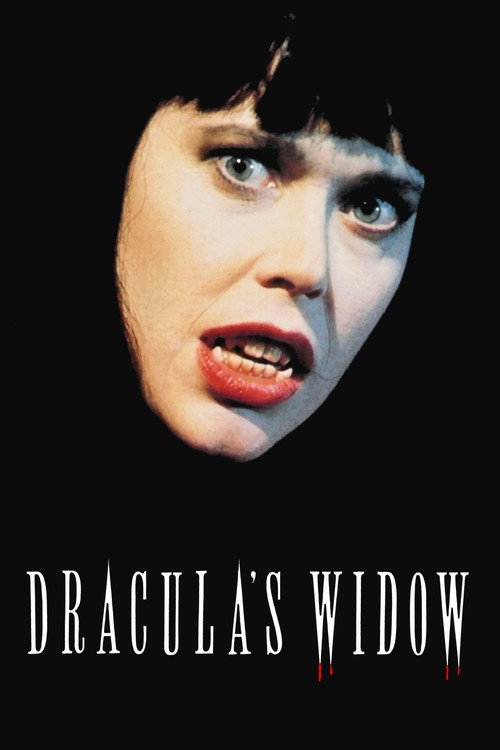
1988
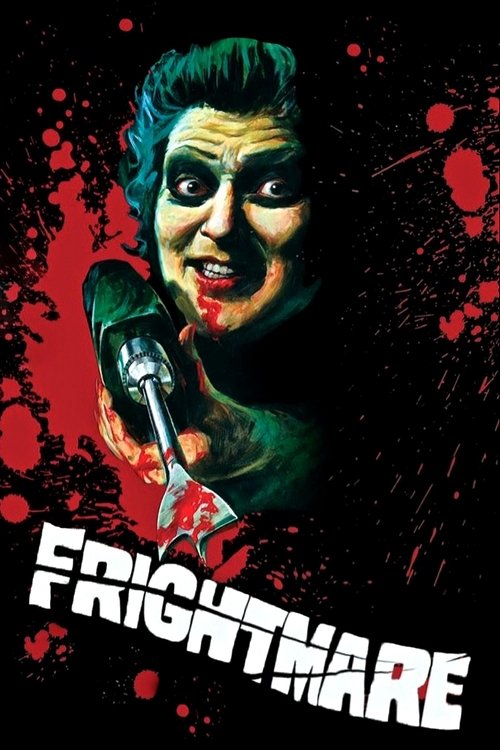
1974
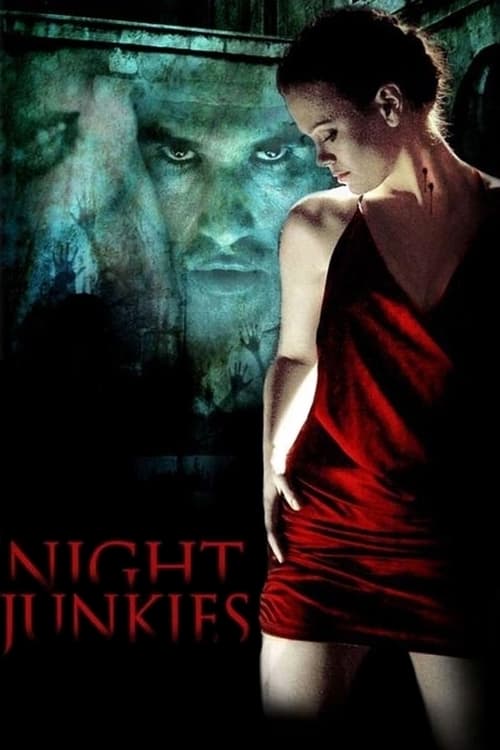
2007
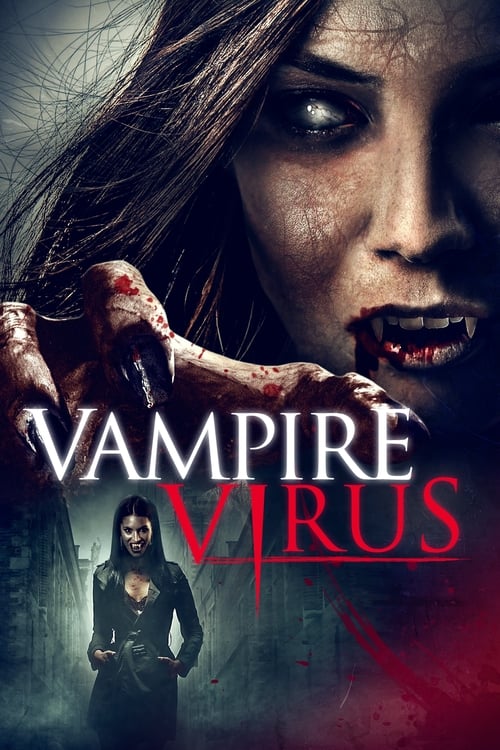
2020
No reviews yet. Be the first to share your thoughts on this movie!
Use the rating form above to leave a star rating and optional review.