Vampire Virus
2020
No user ratings available yet
Diversity score: 4.2 out of 10
2003
Director
Kevin VanHook
Runtime
90 minutes
Average Rating
No ratings yetSynopsis
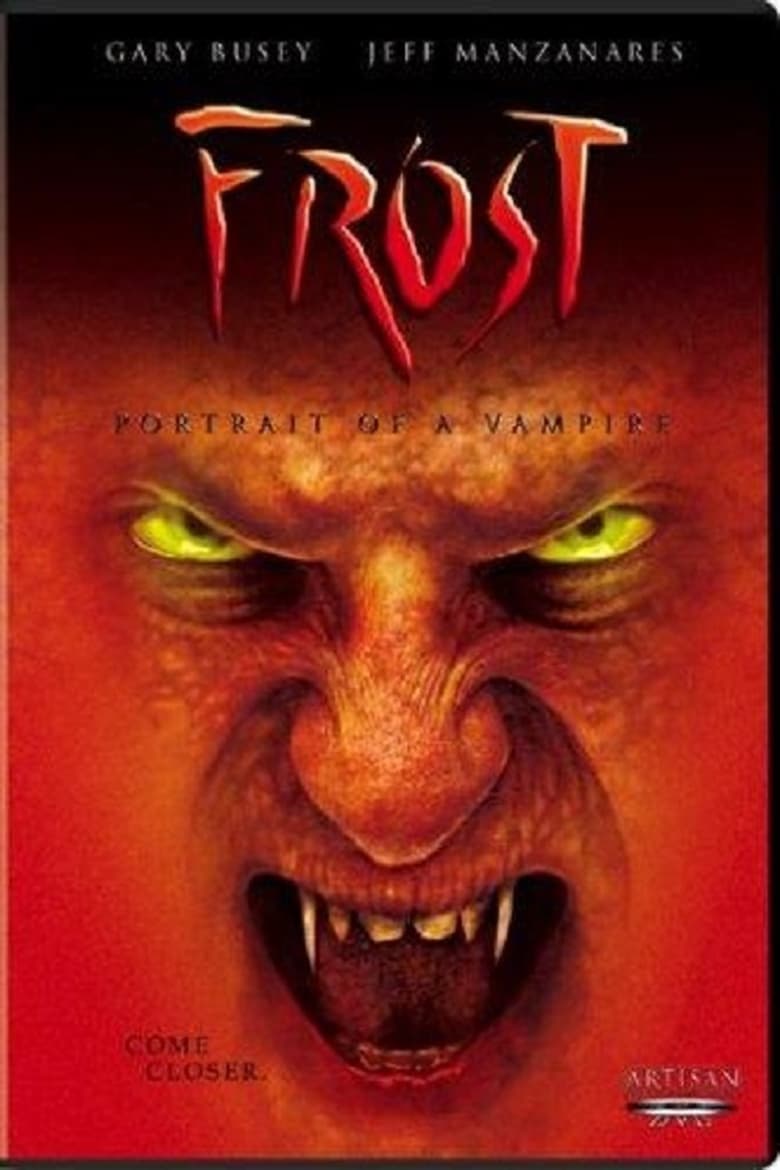
San Diego, present day: The murders are starting again. A girl has been found with two holes in her neck and her body totally drained of blood. Lt Dan Richardson [Shane Pliskin] knows what it is but doesn't believe it, so he calls in blind art-dealer Micah [Gary Busey]. Micah confirms the lieutenant's suspicion that a vampire is at work and reminds him of the previous lesson learned by Jack Frost, who was forced to kill his best friend Nat McKenzie when Nat became a vampire.
Overall Score
Limited
Category Breakdown
LGBTQ+ Representation
The film lacks LGBTQ+ characters or narratives that critique heteronormativity. The plot focuses on standard supernatural investigation archetypes.
Gender Representation
Agency is concentrated in male characters, specifically the Lieutenant and the consultant. While a female victim triggers the plot, she lacks narrative agency.
Racial & Ethnic Diversity
The setting and character descriptions suggest a conventional, homogeneous Western horror framework. There is no indication of a diverse or non-Anglo-Saxon majority cast.
Religious & Cultural Diversity
The story follows a traditional hero versus monster trajectory. It utilizes a standard Western investigative framework without challenging established social or religious institutions.
Disability Representation
The character Micah is blind, introducing a visible disability. However, this trait appears to serve a utilitarian plot function rather than exploring nuanced disability agency.
Strengths
Areas for Improvement
AI Analysis
Frost: Portrait of a Vampire operates as a conventional genre piece that adheres strictly to established horror tropes. The narrative architecture prioritizes traditional thriller mechanics over the subversion of social hierarchies or intersectional representation. The film's focus remains on a standard investigative arc driven by male protagonists. This centering of male agency, combined with a lack of diverse casting, results in a narrow social perspective. While the inclusion of a blind character provides a specific point of representation, the character functions primarily as a specialized expert to drive the plot. This suggests a reliance on genre archetypes rather than deep character exploration.
2020
2007
1933
2006
2006
1999
1995
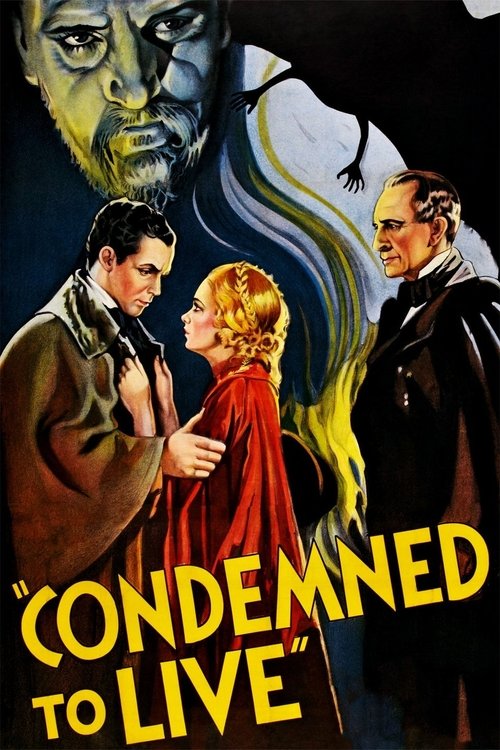
1935
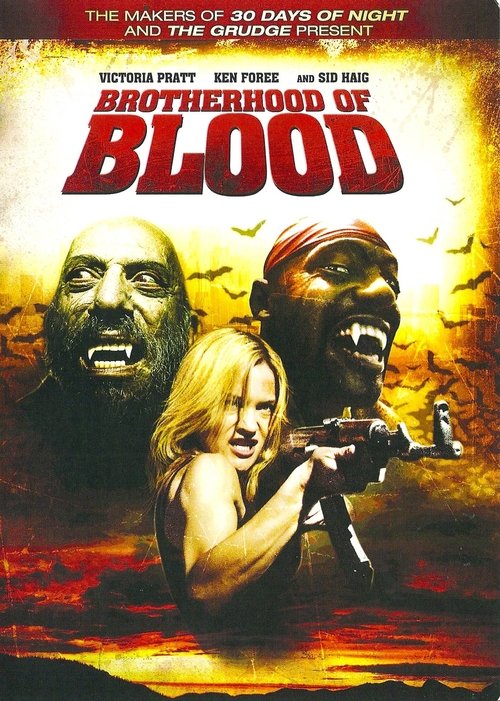
2007
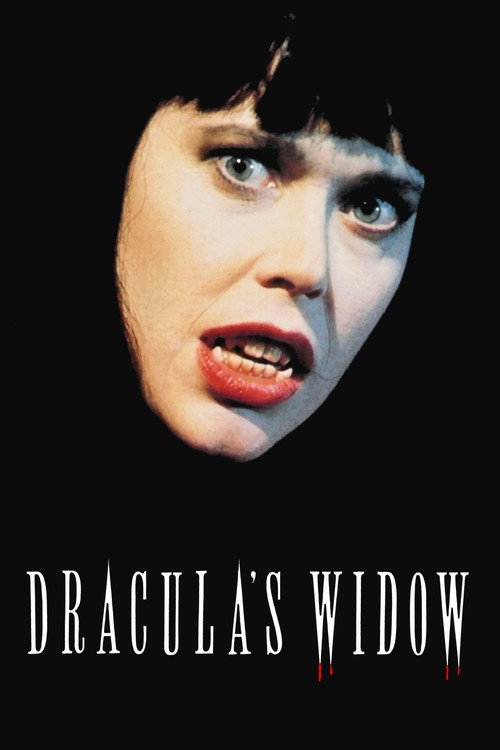
1988
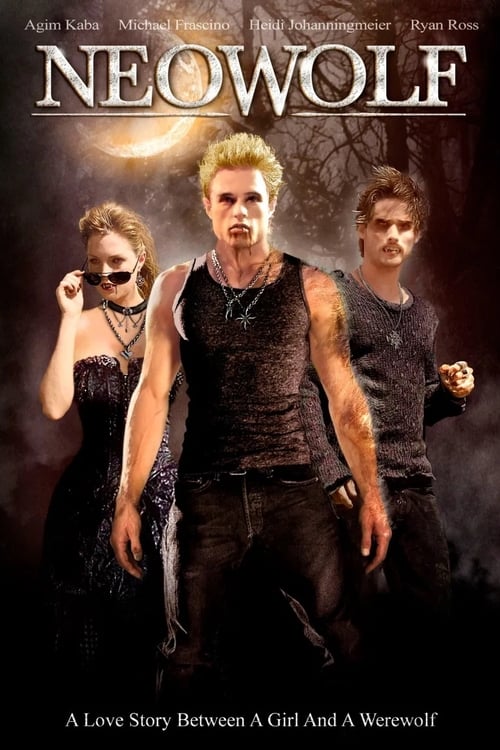
2010
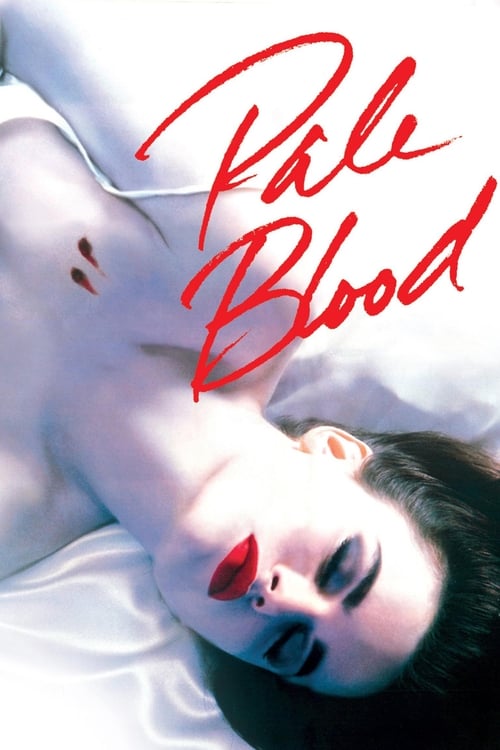
1990
No reviews yet. Be the first to share your thoughts on this movie!
Use the rating form above to leave a star rating and optional review.