
Mystery of the Wax Museum
1933
No user ratings available yet
Representation score: 2.8 out of 10
Representation Score
Limited
1935
ApprovedDirector
Tod Browning
Runtime
60 minutes
Average Rating
No ratings yetNew Showbiz Analysis
Tod Browning’s horror classic is a product of its time, functioning mainly as a genre piece focused on creating an eerie atmosphere. While it slightly challenges traditional gender roles, it remains firmly rooted in the conservative social and racial norms of the 1930s. The film lacks the intention to challenge systemic power structures or provide meaningful characters who reflect more than one aspect of diversity. Ultimately, it prioritizes a traditional morality play structure over exploring underrepresented identities.
Category Breakdown
The film doesn't show any non-traditional gender identities or same-sex relationships. It follows the social norms of the 1930s, focusing on traditional romance and predatory behavior.
The Countess breaks away from typical domestic roles by using supernatural powers. She is a strong, independent character rather than a helpless damsel.
The cast is mostly made up of people from similar backgrounds, reflecting the era's standards. The story stays focused on a Eurocentric gothic tradition without including diverse cultural identities.
The story works as a classic morality tale centered around traditional authority. It emphasizes social order against supernatural threats without offering secular or anti-Western critiques.
The film doesn't include characters with visible or hidden disabilities. The idea of 'otherness' is tied to supernatural elements and doesn't address the real-life experiences of people with disabilities.
Present on Screen
Limited or Absent
Official Synopsis
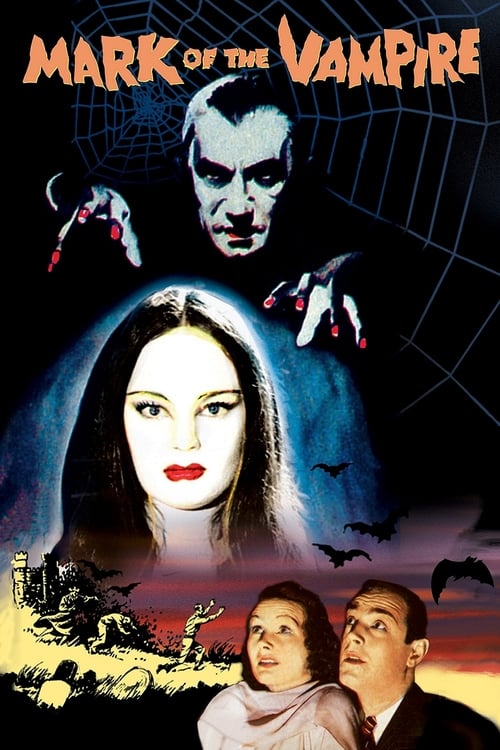
Sir Borotyn, a prominent Prague resident, is discovered murdered in his home, with all indications pointing to a vampire assault. The victim's friend, Baron Otto, and the physician who analyzes the body, are certain that the vampire is the mysterious Count Mora or his daughter. Receiving little help from the law, Professor Zelen, an expert in the occult, is called in to assist with their investigation.
1933
1934
1971
1939
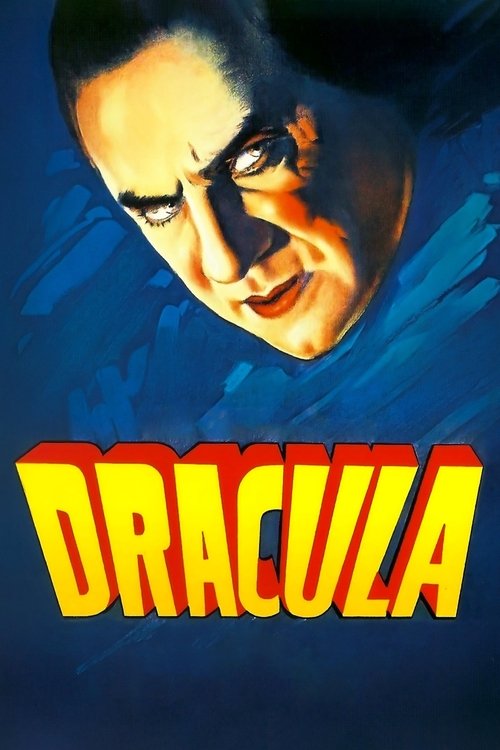
1931
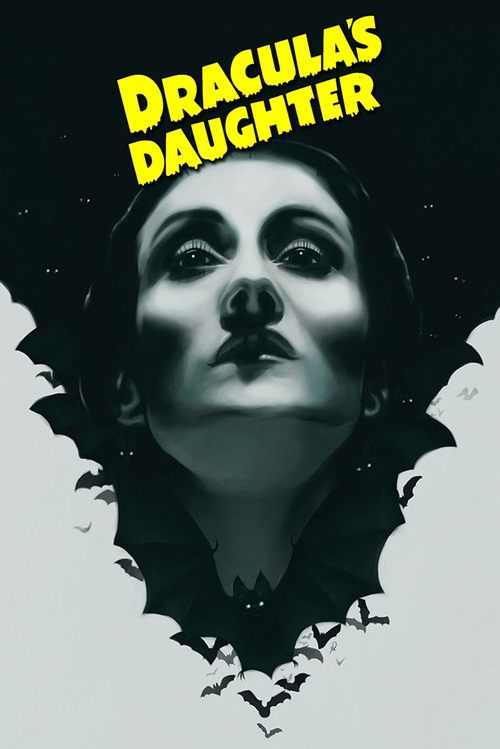
1936
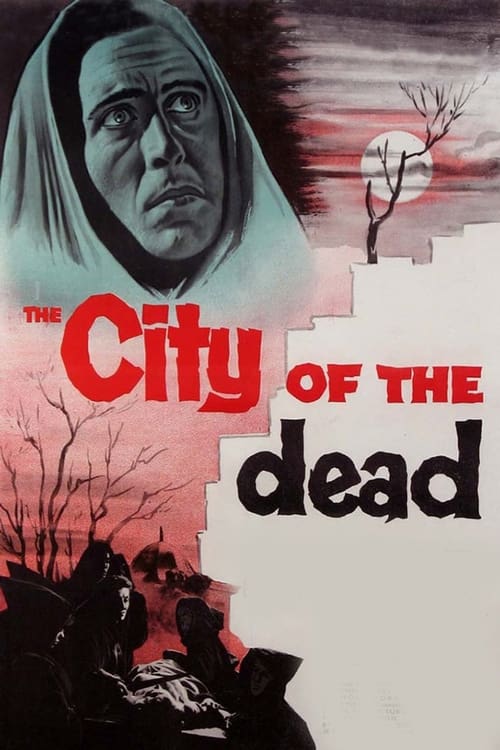
1960
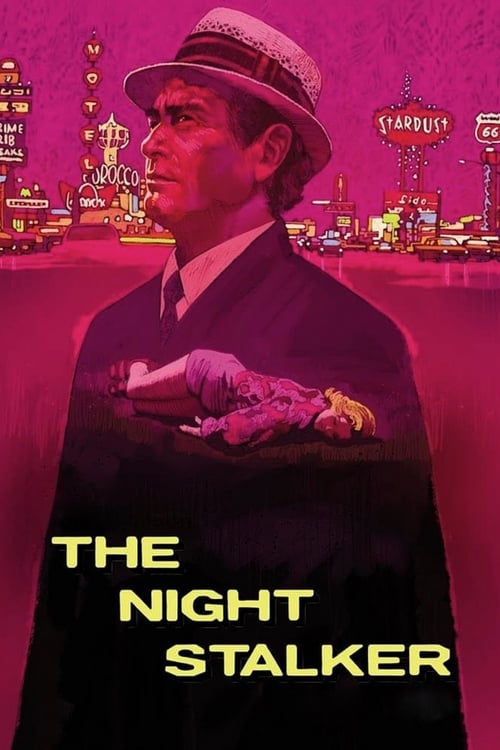
1972
No reviews yet. Be the first to share your thoughts on this movie!
Use the rating form above to leave a star rating and optional review.