Straight to the Heart
1969
No user ratings available yet
Diversity score: 5.6 out of 10
1964
Director
Uri Zohar
Runtime
75 minutes
Average Rating
No ratings yetSynopsis
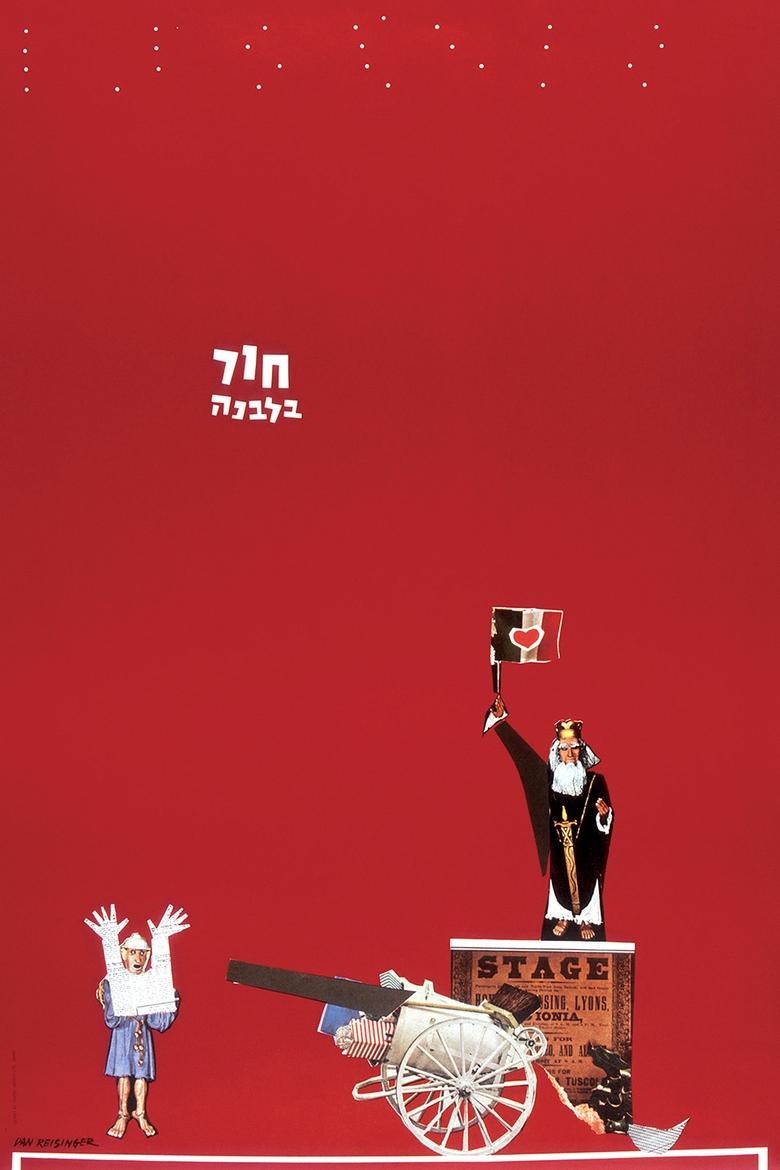
A comic and episodic satire, the film uses improvisation to illustrate the clash between fantasy and reality in real life. Although conceived in the style of Mekas’ “Hallelujah the hills” (1962), it’s an authentically Israeli satire, an openly rebellious and individualistic expression that poked fun at the sacred myths of earlier zionist films. The technique of film within the film is used to portray cinema as reflection of the imagination, a miracle based on dreams and fantasies that take on concrete characteristics – parallel to the miracle of Israel, the dream that has become reality. Although not a commercial success, its importance is beyond any measure, though it remains a unique experiment, boldly uncommercial and subversive, out of any context in that patriotic, ideological epoch.
Overall Score
Good
Category Breakdown
LGBTQ+ Representation
The film displays a moderate presence of non-conformist behavior. While specific same-sex intimacy is not detailed, the satire disrupts the heteronormative structures common in 1960s cinema.
Gender Representation
The narrative pivots away from traditional domestic archetypes. By using a satirical lens, it disrupts the rigid patriarchal expectations found in mid-century Israeli film.
Racial & Ethnic Diversity
The satire critiques the monolithic ethnic identity promoted by the state. It moves away from the heroic settler trope to subvert ideological homogeneity.
Religious & Cultural Diversity
The film excels by critiquing nationalist institutions and state-sanctioned truths. It prioritizes individualistic expression over religious dogma through a skeptical, postmodern lens.
Disability Representation
There is no significant evidence regarding the portrayal of physical or neurodivergent disabilities within the film.
Strengths
Areas for Improvement
AI Analysis
Uri Zohar’s work serves as a subversive departure from the collective, heroic narratives of early Zionism. By utilizing improvisation and a 'film within a film' structure, the movie deconstructs national myths and prioritizes individualistic expression over state-sanctioned ideology. The film's strength lies in its cultural critique, successfully dismantling the monolithic identity of its era. It replaces patriotic dogma with a focus on the clash between fantasy and reality. However, the film lacks specific evidence regarding racial casting or disability representation. While it critiques social homogeneity, the actual presence of diverse ethnic groups remains unconfirmed.
1969
1949
1966
1974
1989
1991
1970
1984
1957
1969
2011
2012
No reviews yet. Be the first to share your thoughts on this movie!
Use the rating form above to leave a star rating and optional review.