
Come on Roland!
1966
No user ratings available yet
Diversity score: 4.6 out of 10
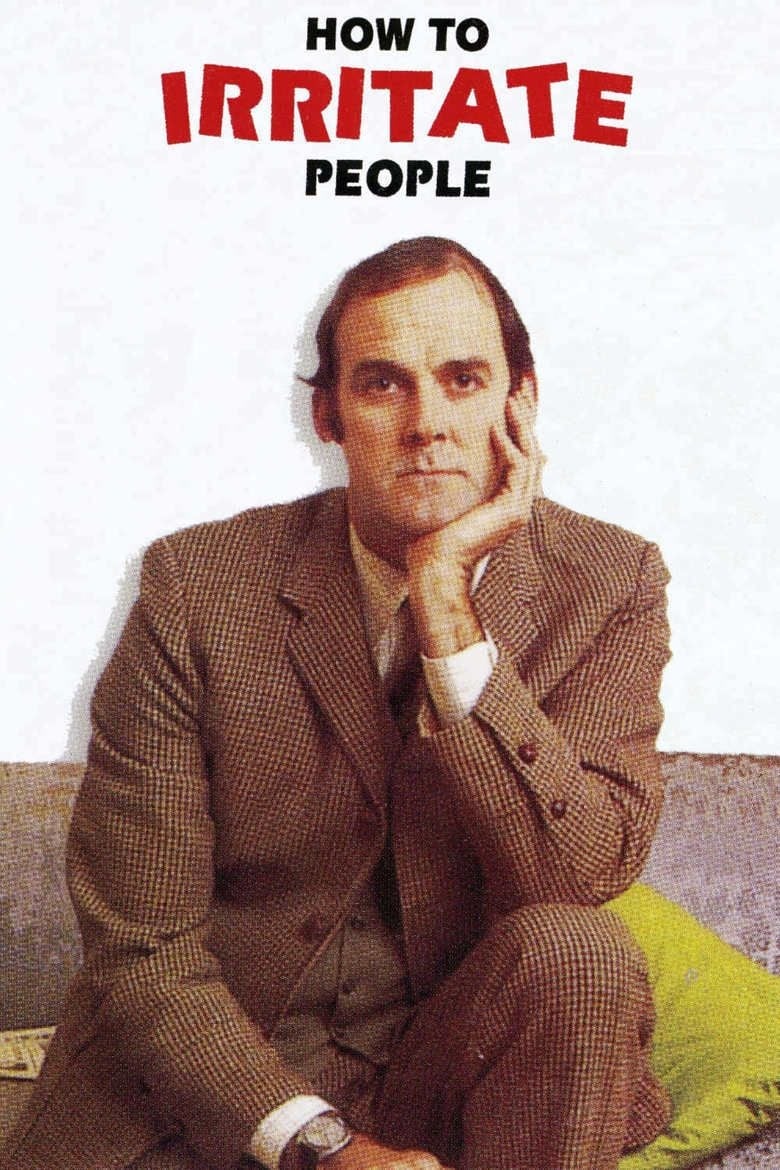
1969
Director
Ian Fordyce
Runtime
68 minutes
Average Rating
No ratings yetSynopsis
A pre-Monty Python mockumentary, written by and presented by John Cleese, that provides tips on learning how to irritate people.
Overall Score
Fair
Category Breakdown
LGBTQ+ Representation
The film focuses on social friction rather than identity-based narratives. While it lacks explicit LGBTQ+ characters, its premise of disrupting social harmony aligns with traditions of questioning heteronormative cohesion.
Gender Representation
The narrative explores the mechanics of social irritation. By providing tools for disruption, the film implicitly challenges the rigid gendered decorum and polite expectations prevalent in 1969.
Racial & Ethnic Diversity
The production reflects the demographic homogeneity of the 1969 British television landscape. There is no evidence of a non-Anglo-Saxon majority cast or multicultural dynamics.
Religious & Cultural Diversity
The film excels by prioritizing social rebellion over traditional Western values of politeness. Its mockumentary format effectively deconstructs the authority of instructional media and social etiquette.
Disability Representation
There is no discernible evidence regarding the portrayal of physical or neurodivergent disabilities within the available synopsis.
Strengths
Areas for Improvement
AI Analysis
This mockumentary serves as a comedic exercise in subverting social norms. While it lacks specific character-driven diversity, its strength lies in its anti-establishment framework and its rejection of traditional decorum. The film's demographic profile is limited by its era, showing a lack of racial and intersectional depth. However, the creative influence of John Cleese ensures a consistent challenge to established social hierarchies. Ultimately, the work functions more as a critique of social systems than a showcase for diverse identities, resulting in a score that reflects cultural subversion rather than demographic breadth.
1966
1961
1982
1964
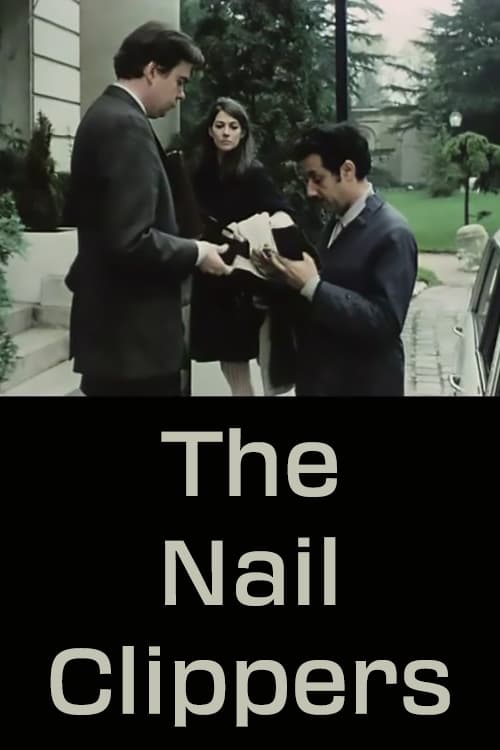
1969
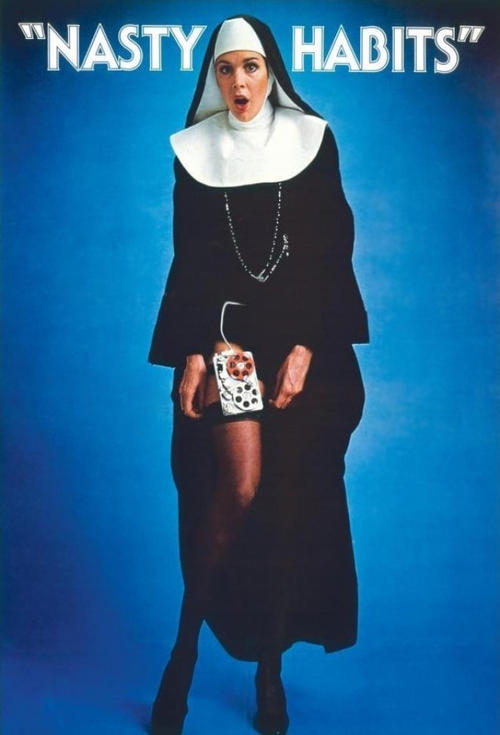
1977
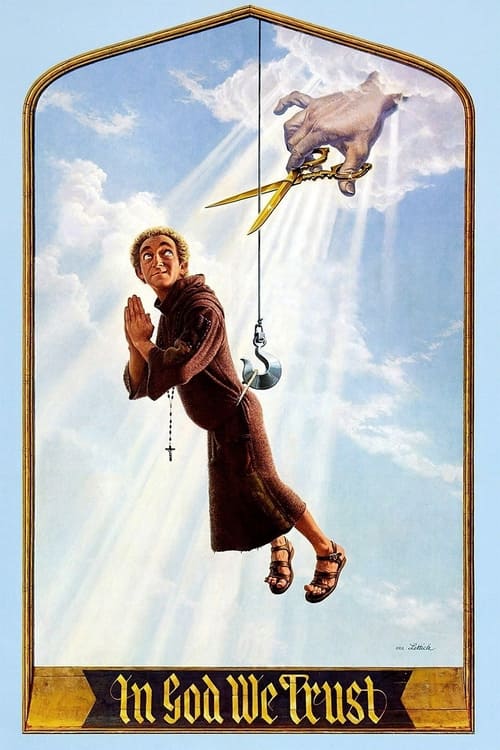
1980
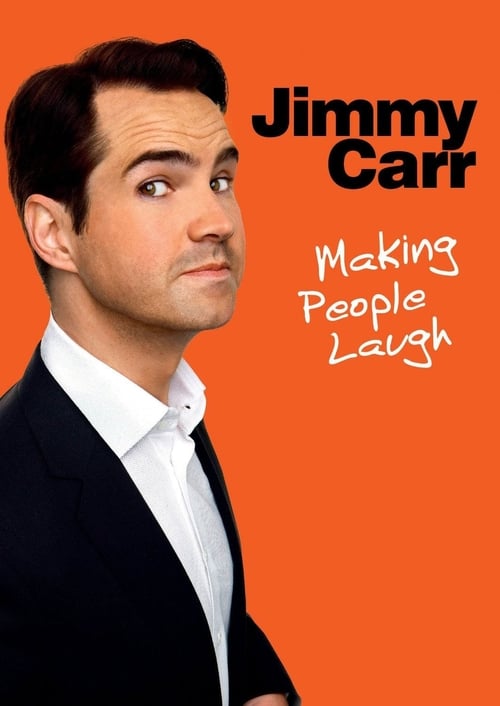
2010
1976

2003

2013
2023
No reviews yet. Be the first to share your thoughts on this movie!
Use the rating form above to leave a star rating and optional review.