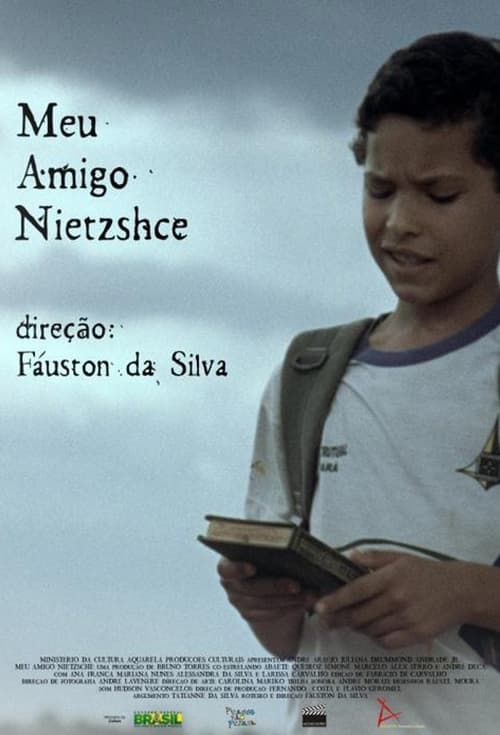
My Friend Nietzsche
2012
No user ratings available yet
Diversity score: 6.6 out of 10
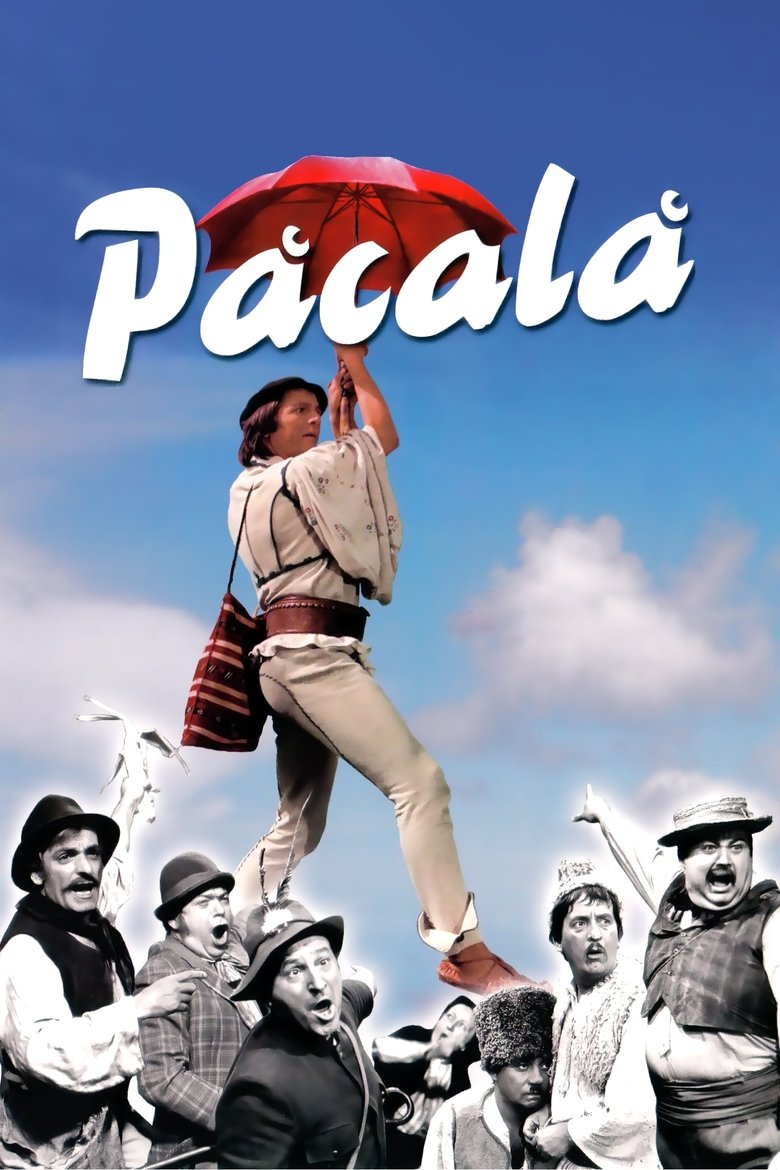
1974
Director
Geo Saizescu
Runtime
122 minutes
Average Rating
No ratings yetSynopsis
Pacala is an important hero in Romanian popular tradition. He is always making fun of everything wrong with the human behaviour such as stupidity, greed or vanity. His attitude and actions always bring damages to the mean, evil and materialistic people. So beside the jokes, the movie has this philosophical layer, undoubtedly because Pacala's independent way of being, free spirit and his love for the nature creates a way of seeing life, bringing joy. Filmed in a very beautiful part of Romania in 1974, the movie had an important success at that time and it is considered one of the most loved movies in Romania ever. Like the hero, found in many stories and jokes, the movie forwards the spirit of true freedom and pure link with the nature, forgetting about times and governments.
Overall Score
Good
Category Breakdown
LGBTQ+ Representation
The film follows traditional folkloric structures without explicit evidence of non-heteronormative identities. It maintains a neutral stance, avoiding derogatory tropes within its comedic framework.
Gender Representation
The story centers on a trickster figure who disrupts social hierarchies like greed and vanity. However, there is no specific evidence regarding female agency or the subversion of patriarchal structures.
Racial & Ethnic Diversity
The film celebrates Romanian ethnic identity and folk tradition. By centering a localized hero, it resists the Western-centric storytelling and homogenization common in mainstream commercial cinema.
Religious & Cultural Diversity
The narrative prioritizes individual autonomy and a connection to nature over rigid government structures. It uses the protagonist to critique materialism and institutional power through a subjective morality.
Disability Representation
There is no discernible information regarding the portrayal of physical or neurodivergent disabilities in the film.
Strengths
Areas for Improvement
AI Analysis
Păcală is a culturally significant work that uses folklore to challenge conventional power dynamics. The protagonist acts as a disruptor of social hierarchies, mocking greed and materialism to favor a free-spirited connection to nature. While the film lacks modern intersectional markers like explicit LGBTQ+ or disability representation, it offers a sophisticated critique of systemic authority. It empowers a figure who operates entirely outside the constraints of established government institutions. Ultimately, the film serves as a localized celebration of Romanian heritage. It provides a non-hegemonic narrative that resists global cinematic homogenization by focusing on specific cultural traditions.
2012
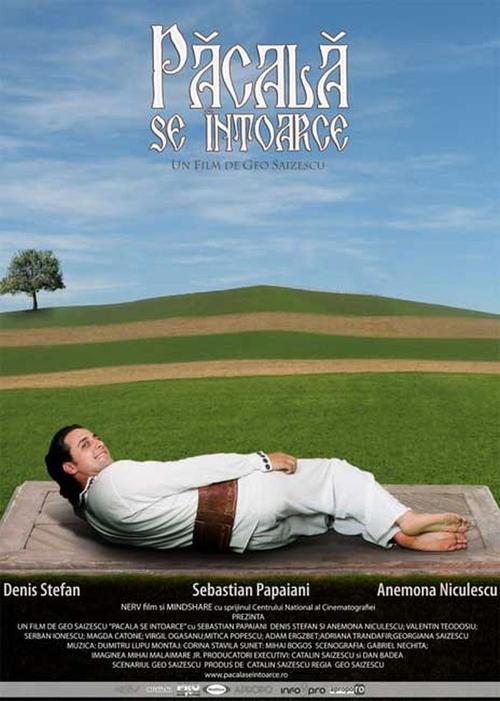
2006
1996
1976
1997
2017
1990
1950
1981
1973
1957
1965
No reviews yet. Be the first to share your thoughts on this movie!
Use the rating form above to leave a star rating and optional review.