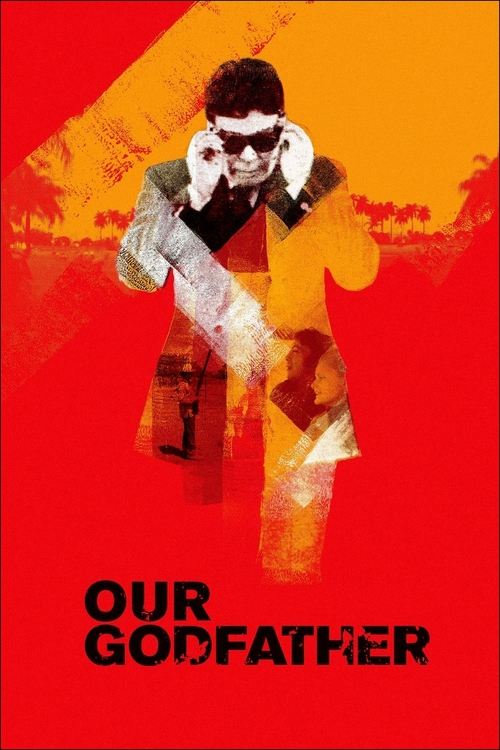
Our Godfather
2019
No user ratings available yet
Representation score: 4.2 out of 10

Representation Score
Good
2019
Director
Kim Longinotto
Runtime
94 minutes
Average Rating
No ratings yetNew Showbiz Analysis
Shooting the Mafia is a progressive documentary that challenges established power dynamics through the life and work of Letizia Battaglia. The film dismantles the traditional 'strongman' archetype of the Mafia by focusing on Battaglia's powerful gaze. The film's greatest strength lies in its subversion of gendered expectations. It positions a woman as a central figure in the fight against organized crime, reclaiming truth and public space. It also offers a nuanced, non-traditional approach to documenting history. While the film lacks explicit LGBTQ+ or disability representation, it excels in its critique of systemic oppression and patriarchal dominance.
Category Breakdown
The film does not explicitly focus on LGBTQ+ identities or non-straight relationships. Instead, it highlights the solitary and professional journey of the female protagonist.
The film portrays a woman in a high-stakes, male-dominated environment with superior intellect and courage. It avoids the 'damsel in distress' cliché, presenting the subject as a key driver of historical change.
Set in Sicily, the film explores regional identity and local social structures. It avoids a monolithic portrayal of Italian culture by focusing on specific, localized community struggles.
The narrative goes beyond a simple binary to examine systemic pressures and the failure of state institutions. It emphasizes the personal truth of individual experiences over institutionalized legalism.
There are no significant depictions of physical or neurodivergent disabilities within the main narrative arc.
Present on Screen
Limited or Absent
Official Synopsis
Sicilian photojournalist Letizia Battaglia began a long battle against the ruthless Cosa Nostra when she first photographed the sinister scene of a brutal murder. Documenting the barbaric rule of the Italian Mafia, she was an unwavering witness to its crimes. Her art and courage helped end the horrific and bloody reign of the Corleonesi clan.
2019
2014
2022
2012
2021
2023
2017
2016
No reviews yet. Be the first to share your thoughts on this movie!
Use the rating form above to leave a star rating and optional review.